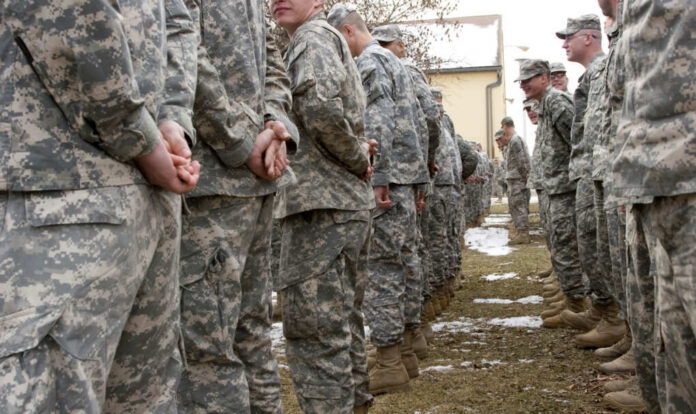
Defense Secretary Pete Hegseth has ordered the withdrawal of 5,000 U.S. troops from Germany in response to German Chancellor Friedrich Merz’s public criticism of American strategy in the Iran war, marking a dramatic escalation in transatlantic tensions that threatens NATO unity at a critical moment.
Story Snapshot
- Pentagon orders withdrawal of 5,000 troops from Germany over 6-12 months, reducing presence from 38,000 to 33,000
- Decision follows German Chancellor’s public remarks calling U.S. Iran strategy nonexistent and “humiliating”
- Withdrawal includes one brigade combat team but spares critical medical facilities like Landstuhl
- Move echoes Trump-era burden-sharing disputes but occurs amid active U.S.-Iran conflict and NATO strains
Trump Administration Responds to Allied Criticism
Pentagon spokesperson Sean Parnell announced May 1, 2026, that Defense Secretary Pete Hegseth ordered approximately 5,000 U.S. troops to withdraw from Germany following a thorough review of force posture in Europe. The announcement came days after German Chancellor Friedrich Merz publicly stated the United States has “no strategy” on Iran and is being “humiliated” by negotiators, prompting President Trump to threaten troop reductions. The withdrawal will reduce America’s largest European deployment from 38,000 to 33,000 personnel over six to twelve months, reverting to pre-2022 troop levels before Russia’s Ukraine invasion.
Germany’s Military and Economic Consequences
The withdrawal will remove one brigade combat team from Germany while preserving critical medical infrastructure including Landstuhl Regional Medical Center, according to Pentagon officials. German communities hosting U.S. bases face estimated economic losses of $2-3 billion annually based on previous drawdown impacts, affecting local jobs and revenue streams built around decades of American military presence. Germany has served as the headquarters for both U.S. European Command and Africa Command since the post-World War II era, making it the cornerstone of American power projection across two continents and a vital logistics hub for NATO operations.
Pattern of Ally Accountability Enforcement
This marks the second time a Trump administration has ordered significant troop reductions from Germany over allied criticism and defense spending concerns. In 2020, Trump ordered withdrawal of 12,000 troops over Germany’s failure to meet NATO’s two-percent defense spending commitment, with 9,500 actually relocating before President Biden reversed portions of that drawdown following Russia’s 2022 invasion of Ukraine. The current decision differs by explicitly tying military posture to diplomatic friction rather than purely financial burden-sharing arguments, setting a precedent that public criticism of American strategy carries tangible consequences for alliance relationships and defense commitments.
Strategic Questions Remain Unanswered
Pentagon officials have not clarified plans for the remaining 33,000 troops in Germany or whether withdrawn forces will redeploy to Poland, Eastern Europe, or return to the United States. Breaking Defense reported no response to queries about potential NATO reallocations as of May 2, leaving strategic gaps in America’s European deterrence posture unclear amid ongoing conflicts in Ukraine and Iran. Defense analysts quoted by NBC News questioned the wisdom of significant withdrawals from Germany’s unmatched logistics infrastructure during active military operations, noting that full departure would be “foolish” for maintaining operational capabilities. The decision raises fundamental questions about whether NATO allies can publicly disagree with American strategy without jeopardizing the security guarantees that have underpinned European defense for eight decades.
Burden-Sharing Debate Intensifies
The withdrawal reflects longstanding conservative frustration with European allies failing to shoulder their fair share of collective defense costs while expecting American protection. Germany’s criticism of U.S. Iran policy while simultaneously depending on American troops for deterrence against Russian aggression exemplifies what many see as European hypocrisy on security matters. Parnell’s statement citing “theater requirements and conditions on the ground” suggests the Pentagon views reduced German cooperation as justifying force realignment, though experts warn this risks fragmenting NATO cohesion precisely when unity matters most against authoritarian adversaries. The move signals that the Trump administration prioritizes allied accountability over maintaining troop levels established during previous strategic environments, fundamentally challenging assumptions about permanent American military presence in Europe regardless of political conditions.
Sources:
Hegseth orders withdrawal of US troops from Germany – Politico
Hegseth orders 5,000 US troops to withdraw from Germany – Breaking Defense
US to withdraw about 5,000 troops from Germany – Digital Journal
US to withdraw 5,000 troops from Germany – ABC News
US orders withdrawal of 5,000 troops from Germany – Irish Times