King Charles III embarks on a high-stakes diplomatic mission to Washington this week, attempting to salvage America’s fraying alliance with Britain as tensions over trade, NATO commitments, and Middle East policy threaten a relationship forged in wartime solidarity.
Story Snapshot
- King Charles delivers first British monarch address to Congress in 35 years amid strained U.S.-UK relations
- Four-day visit includes private Trump meeting, state dinner, and appearances timed to America’s 250th independence anniversary
- Diplomatic reset aims to counter Trump-era frictions over trade disputes, NATO burden-sharing, and Iran conflict positioning
- British officials express cautious optimism despite uncertainties about long-term impact on transatlantic alliance
Historic Congressional Address Anchors Reconciliation Effort
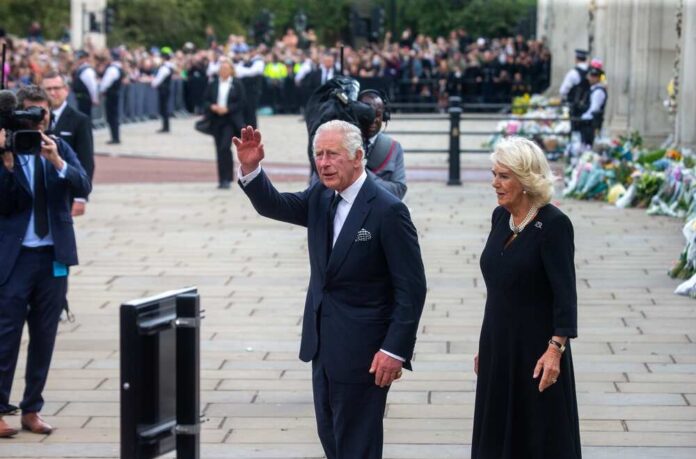
King Charles III and Queen Camilla arrived in Washington on Monday for a carefully orchestrated four-day visit designed to repair damaged U.S.-British ties. The centerpiece comes Tuesday when Charles addresses a joint session of Congress, marking the first time a British monarch has spoken before American lawmakers since Queen Elizabeth II in 1991. Buckingham Palace framed the speech around “shared values” and historical alliances, positioning the monarch as an apolitical bridge during a period of heightened political polarization. The timing coincides with America’s semiquincentennial celebrations, symbolically reconciling 250 years of independence from British rule with modern partnership imperatives.
Trump Presidency Strains Special Relationship
President Trump’s return to office has reignited tensions that plagued his first term, including criticisms of NATO allies failing to meet defense spending commitments and complaints about trade imbalances favoring European partners. Recent U.S. involvement in the Israel-Iran conflict added fresh complexity, requiring what British diplomats described as “thoughtful and balanced” positioning that hasn’t always aligned with Washington’s harder-line approach. These friction points compound broader concerns among American taxpayers who question whether traditional alliances serve national interests or simply drain resources. Trump publicly praised Charles as a “man of courage and character” capable of bridging divisions, signaling openness to diplomatic rapprochement despite past policy clashes.
Symbolic Gestures Meet Practical Concerns
Beyond the congressional speech, Charles’s itinerary includes a private audience with President Trump, a state dinner at the White House, and visits to New York and Virginia addressing climate change and indigenous community engagement. British officials expressed “quiet hopefulness” that personal diplomacy could steady the relationship, though they acknowledge substantial challenges remain unresolved. The visit’s symbolic weight contrasts with practical questions about trade negotiations, defense cooperation, and coordinated responses to global threats. Americans frustrated with establishment politics may view this royal pageantry as disconnected from kitchen-table concerns about inflation, energy costs, and border security that dominated Trump’s electoral victories.
Long-Term Alliance Faces Uncertain Future
The so-called Special Relationship traces to World War II cooperation and endured through Cold War confrontations, NATO expansion, and post-9/11 counterterrorism partnerships. Charles’s diplomatic intervention comes as many Americans question whether these legacy alliances deserve continued investment when domestic problems demand attention and resources. Short-term benefits may include eased trade tensions and reinforced NATO commitments, but long-term durability depends on whether governments address citizens’ perception that elites prioritize international relationships over constituent needs. Palace insiders characterized the visit as a “defining moment” for Charles’s reign, testing whether traditional diplomacy retains relevance in an era of populist skepticism toward globalist institutions and foreign entanglements that seemingly benefit political classes more than working families.
The congressional address and subsequent meetings will reveal whether personal charm and historical symbolism can overcome structural policy disagreements. British officials recognize that healing requires more than ceremonial gestures, particularly when American voters increasingly demand their representatives prioritize domestic prosperity over maintaining relationships that critics argue perpetuate dependency and constrain independent action. Whether this royal visit produces substantive policy alignment or merely postpones harder reckonings about diverging national interests remains an open question as both nations navigate shifting geopolitical realities and internal political pressures.
Sources:
King Charles Hopes to Salvage U.K. Relations With Trump – Political Wire
Can King Charles III Heal the Growing U.S.-British Rupture? – Streamline Feed