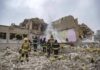


A Cape Air pilot died in a fiery crash during takeoff from Cape Cod Gateway Airport, highlighting the deadly risks of winter aviation operations that regulatory agencies continue to inadequately address.
Story Snapshot
- 28-year-old Kerry Anne Smith killed when Cessna 208B crashed during takeoff in snowy conditions
- NTSB investigation cites weather factors but final cause remains undetermined after one year
- Incident adds to pattern of 12 similar winter crashes since 2010 involving same aircraft type
- Cape Air resumed operations within 24 hours despite ongoing safety questions
Fatal Crash Claims Young Pilot’s Life
Kerry Anne Smith, a 28-year-old Cape Air pilot with 1,800 flight hours, perished when her Cessna 208B Grand Caravan crashed during takeoff from Cape Cod Gateway Airport on December 30, 2024. The aircraft departed Runway 24 at 9:15 PM bound for Martha’s Vineyard but failed to gain altitude, veering left into a snowy area where it erupted in flames. Smith, the sole occupant, died at the scene as emergency responders battled the post-crash fire that destroyed the aircraft.
Weather conditions at the time included a 400-foot ceiling, half-mile visibility, and 10-15 knot crosswinds following a nor’easter that dumped 6-8 inches of snow on Cape Cod. The runway had been cleared but marginal conditions persisted, creating the exact scenario that has proven deadly for single-engine aircraft operations. This represents another preventable tragedy where regulatory agencies failed to establish adequate safety protocols for winter operations at regional airports.
Pilot killed in fiery plane crash at Cape Cod airport https://t.co/i5i8xJjx2B pic.twitter.com/cKf3owhVWA
— New York Post (@nypost) January 4, 2026
Troubling Pattern of Similar Crashes Goes Unaddressed
The Cape Cod incident marks the thirteenth loss-of-control crash involving Cessna 208 aircraft in winter conditions since 2010, according to NTSB data. Previous crashes in Alaska, Massachusetts, and other locations share common factors: marginal weather, icing conditions, and single-pilot operations. Despite this pattern, neither the FAA nor NTSB has mandated enhanced training or operational restrictions that could prevent future tragedies.
Cape Air, operating 85 aircraft across New England since 1989, has faced scrutiny before. A 2018 Logan Airport overrun led to enhanced de-icing protocols, yet the fundamental risks of single-pilot operations in challenging weather remain unaddressed. The airline’s quick resumption of flights just hours after Smith’s death raises questions about whether profit margins take precedence over pilot safety in the regional aviation industry.
Investigation Stalls While Safety Concerns Mount
More than a year after the crash, the NTSB has failed to issue a final report, leaving critical safety questions unanswered. The preliminary findings cite “possible stall in gusty winds” but provide no concrete recommendations to prevent similar incidents. This bureaucratic inaction exemplifies how federal agencies prioritize process over results while families grieve and pilots continue flying in identical conditions.
Industry experts have identified the core problem: inadequate go/no-go criteria for winter operations at regional airports. Captain Jason Knight of the Air Line Pilots Association stated that “marginal weather plus short runway equals high risk” and called for better decision-making protocols. Yet the FAA’s response has been limited to issuing advisories rather than binding regulations that could actually save lives.
Sources:
Cape Cod Times – Pilot Killed in Fiery Crash After Cape Air Plane Goes Down Shortly After Takeoff from Cape Cod Airport
NTSB Preliminary Report DCA25FA044
FAA NOTAMs Archive
Aviation Week Industry Analysis