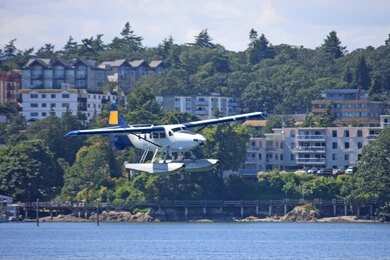
A seaplane went down in New York City’s East River near the Throgs Neck Bridge, and two people were pulled to safety with no injuries reported.
Story Snapshot
- Fire officials launched a major water rescue near the Throgs Neck Bridge around 9:30 a.m.
- The pilot and one passenger were rescued and reported uninjured, officials said
- Rescuers towed the seaplane to Whitestone as agencies secured the scene
- The cause remains under investigation; no official findings have been released
What Officials Confirmed At The Scene
New York City Fire Department leaders said units rushed to the East River just before 9:30 a.m. after reports of a small plane in the water near the Throgs Neck Bridge in Queens. Firefighters said they brought two people aboard a rescue boat and reported no injuries. City emergency managers also responded and coordinated with marine crews. Video from local media showed the aircraft later being towed toward Whitestone, close to the incident site. Authorities have not released a cause and said the probe is ongoing.
Reporters and bystanders described a quick rescue under clear skies. One eyewitness said a small boat reached the two people near the scene and helped them before fire crews arrived in force. Early social posts echoed the rescue details but sometimes used loose language about “passengers,” which added minor confusion about the count on board. Officials said two people were in the seaplane, which aligns with the pilot and passenger detail from the fire department briefing.
Who Was Flying And Why That Matters
Local reports identified the pilot as Joe Oppedisano, a Queens restaurant owner and entrepreneur who was seriously hurt in a 2020 crash near the same bridge. That history raises fair questions for both fans and critics of general aviation. People worry when the same stretch of water sees repeat incidents. At the same time, the fact that both people walked away without injuries underscores how training, fast help, and some luck can make the difference between life and death.
Investigators will look at pilot choices, the water surface, wind, and any mechanical issues. National research shows pilot judgment is a frequent factor in seaplane mishaps, and rough or glassy water often plays a role. Across years of cases, drowning has been the leading cause of death when planes end up in water, not the impact itself. That grim pattern did not happen here, which makes the rapid rescue and reported lack of injuries stand out as a clear success.
Sorting Facts From Noise In A Confusing Moment
Early crisis moments often mix solid facts with rumor. On social feeds, a few posts miscast the aircraft or inflated the number on board. Some even linked the event to unrelated claims. Those posts were not supported by official updates. City agencies and local outlets stuck to the core facts: two people on the seaplane, both rescued, no injuries reported, and the plane towed from the water near Whitestone. When causes are unknown, clear language helps people stay calm and informed.
🚨 #BREAKING : A seaplane carrying 8-10 people made a hard landing in New York City’s East River on Sunday afternoon. The Kodiak 100 aircraft partially submerged near Manhattan, but all occupants were quickly rescued by NYPD and FDNY teams. Reports indicate 1-2 minor injuries;… pic.twitter.com/RvyKbB2FDV
— Thepagetoday (@thepagetody) July 5, 2026
Officials have not released the aircraft’s registration or model details, which are common in later reports after checks with federal databases. That lack of specifics limits what the public can verify today. It also fuels frustration many Americans feel about delayed transparency. The urge to fill gaps with theories is strong. But real answers depend on the formal investigation, which takes time and documented evidence, not guesses.
Why This Small Story Hits A Big Nerve
New Yorkers rely on public safety systems to work fast when rare events occur. This response did. Fire crews, marine units, and emergency managers showed up, rescued two people, and cleared the area. Still, people across the political spectrum feel let down when agencies take weeks to explain basic facts. That gap feeds a wider belief that our systems answer to insiders first and to the public second. Clear, timely updates can rebuild trust, one case at a time.
Seaplane flying blends freedom, business, and tourism with real risk on busy waterways. The data show most water-landing accidents are not fatal, but when fatalities occur, they often involve drowning after impact. That is why seat restraints, life jackets, and swift rescue matter. The East River case shows the best version of that chain: a mishap, a fast response, and two people going home. The next step is a thorough, public report that explains how to prevent the next one.
Sources:
youtube.com, cbsnews.com, instagram.com, particle.news, callahan-law.com, hakaimagazine.com