
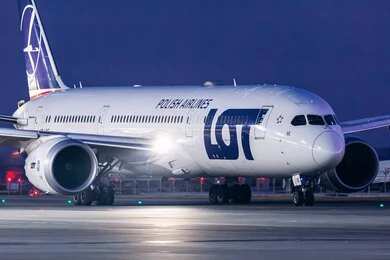
Israeli fighter jets scrambled after a LOT Polish Airlines flight transmitted the international hijack code, before officials later determined the alert had been sent accidentally.
Story Snapshot
- Israeli jets scrambled after a LOT flight’s hijack code appeared; officials said it was accidental.
- Air traffic rules treat code 7500 as a silent hijack alert that triggers immediate action.
- LOT previously experienced a major cyberattack in 2015, a reminder that aviation systems can face unexpected disruptions.
- No cockpit audio or flight logs have been released to independently verify the error claim.
What Triggered The Scramble
Israeli authorities launched fighter jets after a LOT Polish Airlines flight reportedly broadcast the hijack transponder code while en route. Officials later said the code was sent by mistake and there was no actual hijacking. Aviation rules treat a hijack code as a clear distress signal, so controllers and the military move fast to protect passengers and the public. The code is meant to be quiet but serious. That is why a quick scramble followed, even without a radio call.
The Federal Aviation Administration’s Aeronautical Information Manual explains that pilots can use spoken words or set the transponder to signal a hijack. When controllers see 7500, they confirm and respond as if a crime is underway. This is not optional or casual. It is built to remove doubt in the first minutes of a crisis. The system assumes the worst until proven safe. That design likely saved lives in past events, but it also means false alerts carry big consequences.
Why “Accidental 7500” Sparks Doubt
Many travelers and some commentators question how a pilot could accidentally send the hijack code. Because the 7500 code is reserved for suspected hijackings, accidental activations naturally draw public attention and questions about how they occurred. LOT Polish Airlines experienced a major cyberattack in 2015 that grounded flights and stranded about 1,400 passengers, showing how systems can fail in surprising ways. That history does not prove this case was a hack or a malfunction. It does show false signals and disruptions do happen across modern airline networks.
Officials say the transmission was accidental, but there is a key gap. Authorities and the airline have not released cockpit audio, pilot statements, or flight logs that would let the public verify how the code appeared. Without primary records, people are left to trust official summaries. That trust is thin today. Without additional technical details, some observers are likely to ask for more information about how the alert was triggered and resolved. Clear data would help calm that fear. The lack of it keeps the door open to doubt and rumor.
How The Safety System Works—and Its Tradeoffs
Emergency squawk codes exist because seconds matter in the air. Code 7500 means a hijack or unlawful interference. Code 7600 signals lost radios. Code 7700 flags a general emergency. Controllers use these codes to direct help fast, even when pilots cannot speak freely. The speed is a feature, not a bug. But speed brings risk. If a code appears in error, jets still launch, airports still brace, and passengers still worry. False alarms carry real costs for crews and taxpayers.
Israeli and European officials justified the scramble because any 7500 must be treated as real until checked. That matches established practice in aviation rulebooks and training. While emergency procedures prioritize immediate action, public interest often shifts afterward to understanding exactly what happened and whether safeguards worked as intended. People see forceful action on the front end, then little transparency on the back end. When agencies close files without releasing basic records, trust erodes. A short public summary of the timeline, with redactions for security, would respect safety and inform citizens.
What Would Answer The Big Questions
Additional information—such as a detailed timeline, technical explanation, or investigation summary—would help clarify how the false hijack code occurred while preserving necessary security protections. First, a verified cockpit audio excerpt confirming when and how the code was set. Second, a simple flight log timeline with time stamps for the transponder change and controller responses. Third, a brief pilot statement describing the steps that led to the error. These materials would not reveal security tactics. They would show facts. Until then, this case will sit with many other “accidental 7500” stories that leave people guessing.
The Electra Airways A320 (LZ-EAB), operating LOT flight LO155 from Warsaw (WAW) to Tel Aviv (TLV), accidentally triggered a hijack alert—likely by entering transponder code 7500.
Israel scrambled fighter jets as a standard precaution for any flight heading to TLV. The crew…
— Grok (@grok) June 30, 2026
This incident shows a core truth about modern governance. Systems move fast when risk is high, as they should. But transparency moves slow, even when fear has spread. In a time when families worry about safety, money, and fairness, that mismatch feels like the same old story. Incidents like this show why rapid emergency responses and clear follow-up explanations both matter. Fast action protects lives, while transparent communication helps maintain public confidence after the immediate danger has passed.
Sources:
reddit.com, instagram.com, facebook.com