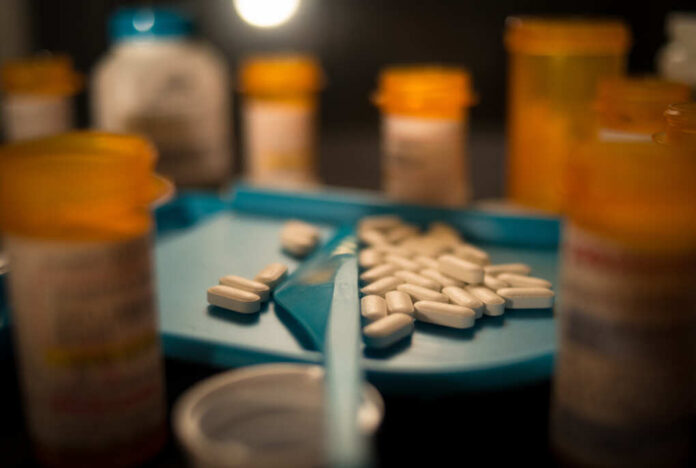
National Pharmacist Day highlights a critical healthcare issue: the underutilization of pharmacists in America, creating a hidden crisis in patient care delivery.
Story Highlights
- Pharmacists are celebrated annually on January 12 for their essential healthcare roles.
- Despite their accessibility, pharmacists remain underutilized in the healthcare system.
- The #APharmacistIs campaign aims to raise awareness about pharmacists’ contributions.
- Pharmacists are trusted professionals but face scope-of-practice limitations.
Pharmacists: The Underutilized Healthcare Resource
On January 12, National Pharmacist Day celebrates pharmacists as critical, yet underutilized, healthcare providers. With nearly 90% of Americans living within five miles of a pharmacy, these professionals offer more than just medication dispensing. They provide immunizations, manage chronic diseases, and advise on drug therapies, carving a trusted niche in public health. Despite this, regulatory barriers continue to limit their integration into primary care, preventing them from fully applying their expertise.
Established in 2005, National Pharmacist Day builds on earlier efforts like National Pharmacy Week and American Pharmacist Month. It underscores the evolving role of pharmacists, especially post-COVID, where they administered over 50% of vaccines. These efforts are supported by campaigns like #APharmacistIs, which highlight the invaluable contributions of pharmacists to the healthcare system.
The Historical Roots and Modern Challenges
The history of pharmacy dates back to the Islamic Golden Age, with modern roots in the 19th century. Figures like William Procter and Alexander Fleming have made significant contributions, laying the groundwork for today’s pharmacists. Despite their historical significance and modern-day innovations, pharmacists face challenges due to scope-of-practice barriers. These restrictions hinder their ability to fully participate in patient care, despite being among the most trusted healthcare professionals.
Organizations such as the American Pharmacists Association advocate for expanded roles, emphasizing the need for policy changes to allow pharmacists to practice at the top of their license. As employment giants like CVS and government entities like the VA employ thousands of pharmacists, there is a pressing need to recognize and utilize their full potential.
The Impact of Pharmacist Utilization on Healthcare
Utilizing pharmacists to their fullest potential could significantly impact healthcare. In the short term, it encourages the use of pharmacists for flu shots and medication refills, while in the long term, it could lead to policy shifts that expand pharmacist-led care. This shift could reduce the burden on physicians and lead to more efficient healthcare delivery, especially in rural and underserved areas.
National Pharmacist Day: The Most Underused Clinicians in Health Care https://t.co/4PCJvyA86e via @CatoInstitute pic.twitter.com/tn5EipDtqC
— Michael Chapman (@MWChapman) January 12, 2026
The economic benefits are undeniable, as the integration of pharmacists into broader healthcare roles can avert billions in healthcare costs and lost workdays due to illness. Socially and politically, greater recognition of pharmacists’ roles can lead to increased trust and improved healthcare outcomes, aligning with conservative values of efficient, patient-centered care.
Sources:
National Pharmacist Day: The Most Underused Clinicians in Health Care
Virginia Dept. of Health Blog
CompleteRx Blog
URAC Blog