When a sitting president openly vows to end elections, the warning is not just for Nicaragua — it is a test of whether the rest of the world still believes in government by the people or just by the powerful.
Story Snapshot
- Nicaragua’s President Daniel Ortega says the country will “no longer hold elections,” closing off any path for his opponents to win power.
- This move turns an already broken democracy into an open one-party system, with his family’s rule locked in.
- The government claims it is protecting stability and blocking “Yankee-backed” parties, while critics say it proves he cannot win a fair vote.
- The United States and human-rights groups warn this is part of a wider slide toward rule by elites instead of citizens, a trend Americans see at home too.
Ortega’s open move to end elections
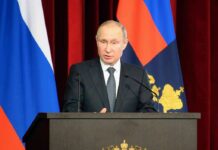
Nicaragua’s long-serving president Daniel Ortega used a major national holiday to say his country will stop holding elections, removing any chance for voters to legally change leaders. Speaking at a July event marking the Sandinista revolution, he promised “there won’t be any more elections here for them to try to seize the government and seize power.” He said this would block parties he claims are backed by the United States and supporters of the old Somoza dictatorship. He offered no plan or legal details, only a blunt promise.
Ortega has ruled Nicaragua continuously since 2007, already changing the constitution once to extend his term and name his wife Rosario Murillo as co-president. Rights groups say recent votes in Nicaragua were not truly free even before this announcement, because opposition parties were barred and rivals jailed or forced into exile. His new vow goes further by removing even the appearance of choice. It signals that elections will no longer be the tool used to keep his family in power; raw control will be.
Why the regime says elections must go
In his speech, Ortega framed elections as a security threat instead of a basic right, arguing they allow enemies to take over the state. He claimed opposition parties are “conspiring” and organizing so they can win future elections and return “Yankee-backed” forces to power. His allies call opponents “traitors” who seek a coup, casting dissent as crime rather than politics. By turning normal competition into treason, the government tries to justify stripping citizens of the vote in the name of stability and national defense.
This language fits a wider pattern many Americans now recognize: leaders point to chaos, foreign influence, and fear of unrest to explain why ordinary people must give up power. In Nicaragua, that fear narrative comes after years of crushing protests, closing media, and blocking any serious rival from running. Critics argue Ortega is not stopping a real coup but preventing voters from peacefully removing him. They see his “no more elections” line as an admission that he cannot trust the people to keep him in office if they have a genuine choice.
How outsiders read the end of the vote
Human-rights groups say the announcement does not suddenly turn Nicaragua into a dictatorship; it formalizes one that already exists. The Washington-based group Race and Equality notes that past elections were already non-competitive, and that the new plan aims to transform a de facto one-party rule into official law. International media reports describe Ortega’s move as part of a deeper problem across Latin America, where leaders weaken courts, rewrite rules, and sideline rivals while still claiming to be “elected.” Ending elections removes the last mask.
Ortega didn't rig this election. He cancelled the concept.
Nicaragua has no functioning electoral process left. Over the past decade the regime imprisoned clergy, stripped citizenship from hundreds of opponents, and seized civil society organizations one by one. Scrapping…
— Foreign Interference Research Center (@ForIntOrg) July 24, 2026
The United States government has warned it “will not stand by” while Nicaragua eliminates elections, but its response so far has been cautious. Analysts point out that Washington has already moved aggressively against other autocratic leaders in the region and may weigh similar pressure on Ortega. At the same time, many citizens on both the right and left see this as another example of elites protecting their own, whether they sit in Managua, Washington, or any capital. They worry global leaders talk about democracy but tolerate friendly strongmen when it suits them.
Why this matters for Americans watching from afar
For older conservatives angry at globalist projects and “deep state” games, Ortega’s open dumping of elections looks like the end point of a long trend: ruling classes decide the rules, then lock them in. For older liberals worried about rising inequality and attacks on minorities, it shows how quickly rights can vanish once leaders stop fearing the ballot box. Both sides can see the same lesson here. When a government decides citizens are too dangerous to be allowed a real vote, it is admitting that power belongs to insiders, not to the people.
Many Americans already feel the federal government listens more to donors, lobbyists, and permanent bureaucrats than to working families. Nicaragua’s shift is sharper and more extreme, but it pushes on the same nerve. If elections can be hollowed out, then ended outright in one country, people wonder what protects their own votes when elites find them inconvenient. That concern is not partisan. It grows each time a leader anywhere treats democracy as a problem to solve, rather than a promise to keep.
Sources:
youtube.com, reuters.com, wola.org, chosun.com