

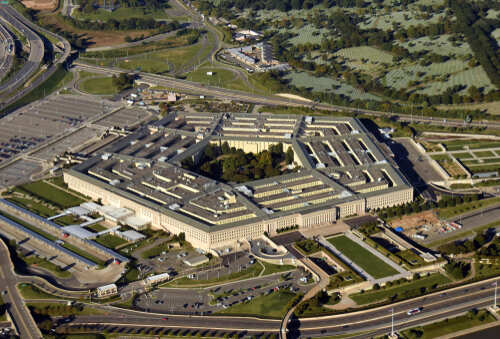
When America’s war headquarters has to lock down over mystery air in its own hallways, it raises hard questions about who is really keeping anyone safe.
Story Snapshot
- Several Pentagon floors were locked down after systems flagged a “hazardous materials” air-quality issue.
- Officials say it was a precaution, but have not publicly identified what, if anything, was in the air.
- The response fits a pattern where federal agencies share vague reassurances while holding back concrete details.
- Long-running scandals over toxic exposures on U.S. bases are fueling public distrust of this latest incident.
What Actually Happened Inside the Pentagon
Arlington County fire and rescue officials reported that firefighters were investigating a “hazardous materials situation” at the Pentagon, triggering a lockdown and partial evacuation.[5] Multiple outlets, citing those officials and unnamed sources, reported that several floors and corridors were cleared while people on other levels were ordered to shelter in place.[2][5] Pentagon spokesperson Sean Parnell said building safety systems detected an “air quality issue” that required precautionary actions while officials determined how serious it was.[1][2][4] So far, no reports from these sources describe confirmed injuries or identify a specific substance.
News reports say emergency crews arrived in full gas masks and chemical protection suits, and that floors two through five and some corridors were locked down.[2][3] Parnell stated that the Pentagon has “sophisticated systems” to protect people in the building and that standard protection steps, including shelter-in-place orders, were executed in the affected area.[2][3][4] Fire officials framed their actions as an active investigation into a possible hazardous materials problem, not as proof that a known toxin had been found.[2][5] That careful wording matters, because it shows officials were responding to an alarm and uncertainty, not to confirmed lab results.
Why the Vague “Air Quality Issue” Language Bothers People
Pentagon and local officials are clearly presenting the lockdown as a precautionary move while they figure out whether anything dangerous was in the air.[2][4] That is common in fast-moving safety events, when alarms and sensors trigger before experts know the exact cause. But many Americans on both the right and left are tired of hearing phrases like “out of an abundance of caution” and “no cause for concern” from the same federal system that has missed or downplayed serious health risks before. That tension between caution and trust is at the heart of the public response to this incident.
History gives people reasons to be skeptical. After the September 11 attacks, the Environmental Protection Agency told New Yorkers that the air near Ground Zero was safe, even though its own data was incomplete and later showed worrisome contamination. An internal watchdog later found that the White House edited press releases to make them sound more reassuring and removed stronger safety warnings. For many Americans, especially those who already believe Washington protects itself first, today’s vague “air quality” statements from Pentagon officials echo that earlier pattern of soothing words given before all the facts were in.
The Pentagon’s Troubled Record on Toxic Exposures
Beyond this one lockdown, the Defense Department has a long track record of struggling with toxic risks, which colors how people hear any message about “hazardous materials.” Pentagon labs were ordered into a special safety review after live anthrax contamination was found outside a secure area, raising questions about how carefully deadly agents were handled.[7] Investigations have also shown widespread pollution from so-called “forever chemicals” used in firefighting foams on and around military bases across the country, including groundwater and drinking water systems.[8] Those problems have taken years to map and will take many more years to clean up.
A major investigative report found that the Pentagon used outdated testing methods for perfluoroalkyl substances, or PFAS, then reported only part of its results to Congress.[8] The same reporting showed hundreds of off-base water systems near military sites testing above advisory limits, yet cleanup has been slow and, at many locations, quietly delayed.[8] Veterans also know the government was late to admit health damage from burn pits, where troops breathed smoke from burning trash, fuels, and other toxic materials for years. These experiences feed a shared belief, on both the left and the right, that the national security establishment often hides environmental risks until pressure from outside forces it to act.
What This Lockdown Reveals About Power and Accountability
On paper, the Pentagon did what safety manuals say to do: trust the sensors, lock down the area, bring in local fire and hazardous-materials teams, and order people to shelter until the threat is understood.[2][3][4] That is better than waiting and telling people after the fact that they breathed something dangerous. Yet officials have not disclosed what triggered the alarm, what tests have been run, or when the public will learn if any specific chemical or biological agent was detected.[2][4][5] That information gap keeps fueling online rumors and deepens the feeling that ordinary citizens are the last to know what is happening inside their own government.
Many Americans now see the Pentagon not just as a shield against foreign threats, but also as a giant workplace that has struggled with basic promises like safe water and clean air for its own people.[8] When that same institution goes into lockdown over a mysterious “air quality issue,” it hits a nerve that cuts across party lines. People who are angry about elite “deep state” power, unchecked military budgets, or slow responses to toxic exposures all see another example of a system that reacts quickly to protect itself but moves slowly to fully inform and protect everyone else. The facts we have today point to a precautionary response, not confirmed mass danger—yet the larger story is about trust, and that story is still very much unresolved.
Sources:
[1] Web – Pentagon Floors on Lockdown Due to ‘Hazardous Materials Incident’
[2] Web – Pentagon on lockdown and staff evacuated over ‘hazardous materials …
[3] Web – Pentagon locked down as hazmat crews investigate building: officials – …
[4] Web – Hazardous materials scare at Pentagon prompts lockdown and evacuations
[5] Web – Pentagon locks down over “hazardous materials incident”
[7] Web – Pentagon on lockdown over reports of hazardous materials incident
[8] Web – New Safety Review Ordered at Pentagon’s Anthrax Labs Following …