As President Trump defends banning several outlets from the White House, New York City’s mayor told him every reporter was welcome at their joint event—on camera, on the record.
Story Highlights
- Mayor Zohran Mamdani said all reporters could attend the New York event with President Trump, regardless of their views.
- Trump announced a White House ban on CNN, MS Now, and Politico, citing “fiction and lies” in their coverage.
- Reporters from those outlets said they were later denied entry to White House grounds after the ban.
- Legal context and past practice suggest broad outlet bans are rare and face quick pushback.
What Happened At Gracie Mansion
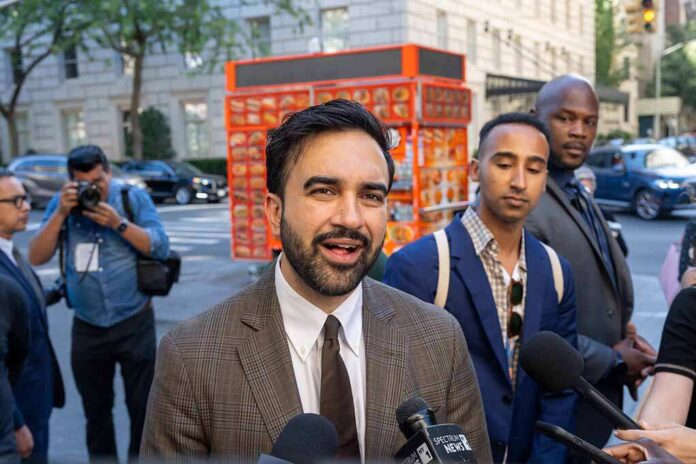
During a joint appearance in New York, Mayor Zohran Mamdani said all members of the press were welcome on the lawn. He said that included outlets critical of him or the president. Video from the event shows Mamdani telling Trump he believed in having “all of the members of the press” present. The exchange came as attention centered on who could ask questions and who could attend. Multiple national outlets covered the moment, underscoring real stakes for access.
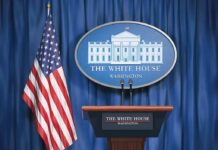
President Trump, standing alongside the mayor, continued to defend his separate White House ban. He has argued the barred outlets report “fiction and lies” and that coverage of him is unfair. Trump has framed the step as a response to what he views as false reporting. He also suggested other outlets could follow if they cross similar lines. The comments set a sharp contrast with the mayor’s open press message.
Why Press Access Matters Beyond One Event
Press access fights are not new, but full bans of entire outlets from routine coverage are uncommon. Historical reviews show presidents often clash with reporters, yet wholesale outlet exclusions have been rare in modern times. Once a government opens facilities to credentialed media, courts have warned against arbitrary denials based on content. That is why sweeping bans often trigger legal action and unified responses from other newsrooms.
New York’s stance signals one model: judge questions on merit and allow critical voices in the room. The White House stance signals another: restrict access for outlets it deems unfair. Citizens who distrust “the elites” in government see a core test here. Do leaders accept tough questions, or do they curate the audience? When the government chooses who gets to watch and ask, both right and left worry that power shields itself from the people.
What We Know And What We Do Not
Coverage documents Mamdani’s words and the political context, but not a formal city policy. There is no released credential memo, attendance log, or rule that proves a long-term open-access standard. That gap means we can confirm the statement and the setting, but not the lasting practice. Still, the fact pattern shows the pledge was made publicly, in front of cameras, during a live access dispute that affected named outlets.
🚨 MAMDANI PUBLICLY PUSHES BACK ON TRUMP’S WHITE HOUSE PRESS RESTRICTIONS
NEW YORK CITY, UNITED STATES – Allowing unrestricted media access at the event created a direct point of comparison with White House policy rather than a theoretical debate about press freedom. Mamdani… pic.twitter.com/czCOAM01XD
— The Content Factory (@tcf_updates) September 22, 2026
For the White House, reporters from CNN, MS Now, and Politico said they were denied access after Trump’s ban, making the policy real on the ground. The president tied the action to what he called repeated false reporting. That rationale will likely be tested in court, as news groups argue bans based on content break long-standing norms and legal guidance around government press facilities.
Why It Resonates With Voters
Many Americans believe powerful people in both parties protect themselves first. Press bans and curated events can look like another way leaders control the story. Conservatives want accountability for errors and bias in coverage. Liberals want protection for tough reporting on those in power. Most agree the public needs eyes and ears in the room. When leaders welcome all questions, they signal confidence. When they shut doors, they raise doubts they can handle scrutiny.
Sources:
facebook.com, bbc.com, straitstimes.com, forbes.com, abc3340.com, politico.com, whitehouse.gov, independent.co.uk