

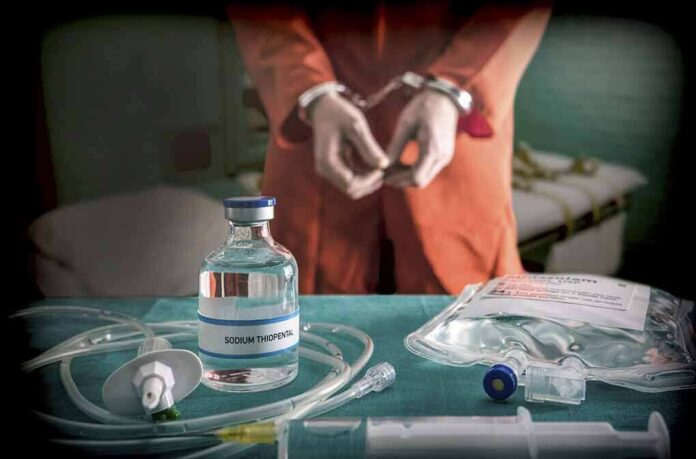
Florida put James Robertson to death for murdering his cellmate to obtain a death sentence, closing a case he set in motion himself.
Story Snapshot
- James Robertson admitted strangling his cellmate in 2008 and said he did it to get a death sentence.
- Robertson pled guilty, waived a jury’s sentencing recommendation, and the Florida Supreme Court affirmed death.
- Governor’s death warrant set the execution for October 13, 2026, triggering expedited court action.
- Florida’s execution surge forms the backdrop, with the state leading the nation in recent years.
What Led To The Execution
Florida officials executed James Robertson after courts upheld his conviction and sentence for killing cellmate Frank Hart in 2008. Court records say Robertson admitted he strangled Hart with a garrote made from tied socks. He waited until guards completed their rounds and attacked while Hart slept. The Florida Supreme Court opinion describes the act as planned and without provocation. The case centered on Robertson’s own statements and his choice to accept the death penalty rather than fight it.
Robertson pled guilty to first-degree murder and told the court he wanted a death sentence. He waived a jury’s advisory role in sentencing and did not contest the state’s evidence. The trial judge imposed death, and the Florida Supreme Court reviewed and affirmed the conviction and sentence on direct appeal. The justices’ decision left the death judgment in place, setting the legal path toward an execution date under state law.
How The Date Was Set And Carried Out
On October 1, 2026, the Florida Supreme Court docket recorded that the governor signed a death warrant for Robertson. The order scheduled his execution for noon on October 13, 2026, and directed expedited proceedings common in warrant cases. That move signaled the case had reached the final stage unless a court issued a stay. The execution went forward as planned after no stay intervened, according to the same court records.
The unusual motive drew attention throughout the case. The Florida Supreme Court opinion cites an affidavit in which Robertson said he murdered Hart to get charged with first-degree murder and to receive a death sentence. That admission, along with the deliberate steps he took during the attack, shaped the finding that the killing was intentional. While Robertson’s statements played a central role, the court record shows the sentence was reviewed on appeal and affirmed.
Why This Case Resonates Beyond One Prison
Florida’s execution stands out in a period when the state has used capital punishment at a brisk pace. Reporting shows Florida accounted for about forty percent of all United States executions in 2025, making it a driver of the national increase. That context placed Robertson’s case inside a larger state push to carry out death sentences, while other states moved more slowly or paused executions.
Execution in Florida-
James “Chicken Head” Robertson entered prison at 17 years old. Today, 46 years later, he was executed for a murder he deliberately committed because he wanted the death penalty.
Robertson entered the Florida prison system in 1980 following convictions… pic.twitter.com/MmabmshgAn
— Rose (@901Lulu) October 13, 2026
The case also highlights a hard legal question: what happens when a prisoner seeks execution rather than appeals. Florida courts kept counsel in place for review even as Robertson chose not to contest the sentence, reflecting the court’s duty to examine death judgments. Supporters say the process shows order and finality. Critics worry that speed and unusual motives can eclipse deeper checks. The record here confirms the plea, the motive as stated, and the appellate affirmance before the warrant issued.
Sources:
nbcnews.com, library.law.fsu.edu, acis.flcourts.gov