More than 200 counter-demonstrators swarmed a New York City peace vigil at Union Square, overwhelming mourners and forcing police to intervene.
Story Snapshot
- Protesters disrupted an Israelis for Peace vigil at Union Square, crowding the seated area and shouting hostile chants.
- Police presence surged as pro-Israel and pro-Palestinian groups converged on the plaza.
- Reports described the vigil as “thrown into chaos,” reflecting a wider pattern of clashes around memorials.
- Past Union Square vigils have been solemn and mixed, showing how tone and conduct shape public reaction.
What Happened at Union Square and Why It Mattered
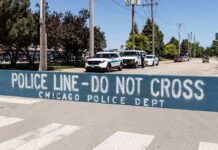
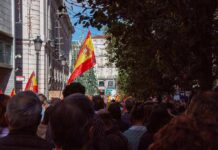
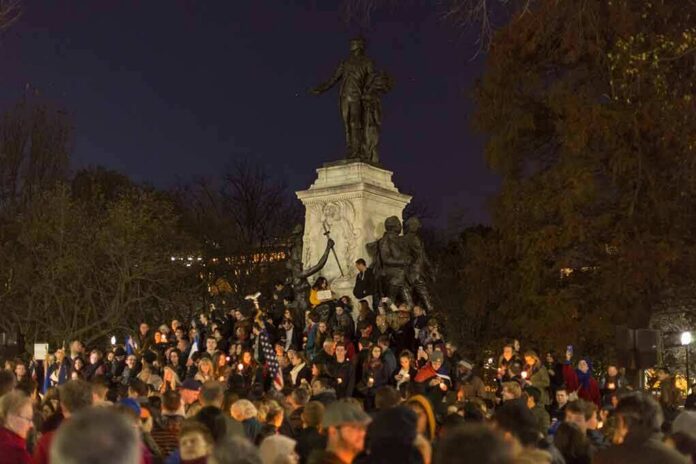
New York officials and local outlets reported that more than 200 pro-Palestinian protesters marched from City Hall and swarmed a planned candlelight vigil in Union Square on the evening of October 7. The vigil honored Israelis killed in the October 7, 2023 Hamas attack and those lost since. Demonstrators crowded into the seating area and shouted slogans that clashed with the event’s tone, disrupting the program and rattling attendees. Police vehicles ringed the area as tensions rose.
ABC and the New York Daily News described a swift takeover of space meant for mourners, which shifted the event from reflection to confrontation. Gothamist noted city officials anticipated unrest and deployed significant resources around the square. The mix of flags, shouting, and physical crowding made it hard for organizers to continue the vigil as planned. This was not just two nearby protests. It was one group pressing into a memorial space and changing it in real time.
How This Fits a Broader Post–October 7 Pattern
Civil rights researchers and watchdog groups have tracked a rise in heated rhetoric around Israel-related events since 2023, and found that context and conduct often decide when protest becomes intimidation. Chanting on a sidewalk can be lawful protest. Surrounding or overrunning a memorial can cross a line that many communities view as threatening. The Anti-Defamation League’s reporting shows activism can carry messages that many Jews experience as hostile in these moments.
Legal scholars studying protest discipline draw a similar line. They argue that general chanting is often protected, but encircling people or occupying reserved areas can justify consequences because it chills speech and safety. City leaders and campus officials have leaned on that reasoning to set time, place, and manner rules that keep protest visible without silencing remembrance. The Union Square episode tracks that logic: disruption rose when the crowd pressed into a space set aside for grief.
Past Vigils Show a Different Path, but Conduct Still Counts
Coverage of earlier Union Square gatherings shows that the same plaza has also hosted solemn, mixed crowds. In 2024, speakers pushed for a cease-fire and a hostage deal, and attendees wore kaffiyehs or kippahs while keeping a calm tone. That history matters. It proves the location and cause do not force a clash. What changes outcomes is how people act in the space, and whether they allow others to mourn in peace.
Mamdani was booed as he arrived at a candlelight vigil in Union Square marking three years since October 7. pic.twitter.com/mNiYJPszov
— YJA🇺🇸🥎 (@Yzo57) October 8, 2026
That contrast captures a core public worry that spans right and left. Many feel leaders cannot or will not protect basic civic norms, like the right to hold a memorial without being drowned out. People see heavy police lines and still watch events spin out. They hear talk of rights, yet feel their own speech is fragile. When a peace vigil is overwhelmed, it reads as another sign that the system struggles to keep order while respecting free expression.
What to Watch Next in New York and Beyond
City officials may review permits, barriers, and staging to shield future memorials while preserving protest nearby. Organizers on all sides can lower the temperature by setting clear zones and times, and by training marshals to prevent swarm tactics. Law enforcement can prioritize narrow, content-neutral steps that stop crowding and encirclement without policing messages. These are small moves, but they help rebuild trust that public space can host both grief and dissent without fear.
Sources:
redstate.com, nytimes.com, abc7ny.com, amny.com