
Federal antitrust lawyers are probing whether five rival TV networks acted together to halt White House pool coverage after CNN was barred, testing press access and competition law at the same time.
Story Highlights
- Justice Department opened an antitrust investigation into ABC, CBS, CNN, NBC, and Fox News over a temporary pool halt.
- Officials requested communications about the pool after a spokesperson warned that group boycotts can violate the Sherman Act.
- Networks say they paused pooled coverage because the White House blocked CNN from its assigned pool role, not to limit competition.
- The pool later resumed operations, which narrows claims of lasting market harm.
What triggered the federal investigation
Justice Department officials asked five television networks for documents about a brief pause in pooled White House coverage after the administration barred CNN from assigned duties. Reporters described the pool as a shared system where networks rotate costs and distribute footage to all outlets. A Justice Department spokesperson said the office is examining whether a coordinated boycott occurred, and noted that group boycotts among competitors can violate the Sherman Act. The inquiry targets conduct, not the content of coverage.
Reports said the pause began when CNN, a pool member, could not perform its scheduled turn due to the ban, and the other networks declined to replace it. Reuters identified ABC, CBS, CNN, NBC, and Fox News as the entities contacted by investigators. The New York Times first detailed outreach to the companies and the request for internal communications, citing people familiar with the matter. The pool later resumed, reducing the window of disruption.
How the TV pool works and why it matters
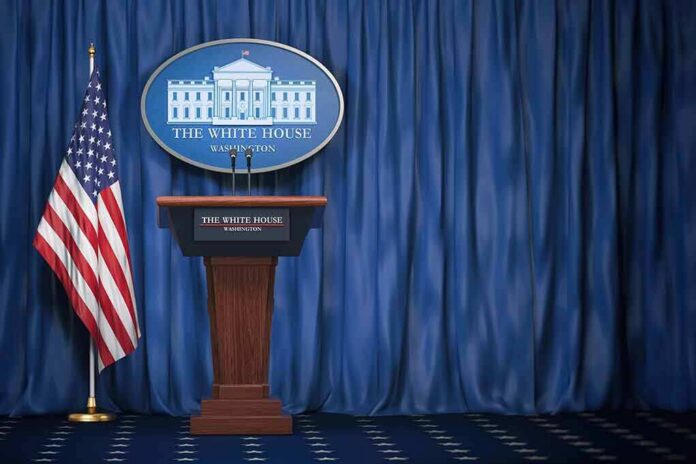
The White House television pool exists because space and security limit access to the president. A small team films events, then shares the footage widely so the public can see what happens inside tight rooms or on trips. The networks split costs and rotate who carries the load, which makes the pool look like a joint operation as well as a distribution pipeline. That structure is efficient for news gathering, yet it also links competitors in ways that can raise antitrust questions if they act together.
When one pool member is barred, the rotation and sharing can break. That is what happened when the White House blocked CNN from performing its assignment, according to network accounts. Pool organizers then faced a choice: replace CNN and keep the system running, or refuse to replace it and pause until the dispute cleared. They chose the pause. The Justice Department is now asking if that common response was a coordinated refusal to deal that harmed competition, or a short, principled stand tied to access rules.
What the networks and the government each argue
The networks publicly said the suspension followed the White House decision that prevented CNN from performing its pool duties. They stated that the public needs accurate, independent information and that no administration should restrict a news group because it dislikes its reporting. Time reported the pool decided not to replace CNN, while each outlet still decided on any open events that media could attend, which limits the scope of the pause. These points frame the move as an access dispute, not a market play.
🚨 DOJ OPENS ANTITRUST PROBE INTO MAJOR TV NETWORKS AFTER WHITE HOUSE COVERAGE BOYCOTT
WASHINGTON, UNITED STATES – The networks now face a harder choice than the original protest that triggered the dispute. Any future collective response to White House access restrictions could… pic.twitter.com/81yWUqGcp4
— The Content Factory (@tcf_updates) October 11, 2026
The Justice Department pointed to the risk of a group boycott among commercial rivals and sought emails and messages to test for an agreement. Investigators have not publicly named a market, a theory of harm, or a legal count, and major reports rely on unnamed sources while the records remain confidential. The Hill separately reported that the government is defending the White House position in court that access is a privilege, which adds legal and political tension to the probe.
What to watch next and why it affects everyone
Key findings will come from internal communications, pool contracts, and timelines that show who decided what and when. If the documents show a clear pact to shut off a needed input, even for a short time, the legal risk rises. If they show parallel but independent choices tied to pool rules and a brief protest, the case weakens. Either way, the episode underscores a larger worry shared by many Americans: power centers protect their turf while the public is left in the dark.
Sources:
mediaite.com, nytimes.com, rmb.reuters.com, thewrap.com, x.com, en.wikipedia.org, ap.org, bbc.com