Iran’s new supreme leader vowed state-backed revenge and ordered pressure on a vital oil chokepoint, raising the risk of a wider war and higher costs for everyone.
Story Snapshot
- Mojtaba Khamenei blamed the United States and Israel for killing his father and pledged revenge.
- His written order told Iran’s military to keep using the Strait of Hormuz as leverage.
- He tied the strike to deaths across his own family and demanded reparations or asset seizures.
- Later approval of a United States–Iran understanding shows a turn toward limited diplomacy.
What Khamenei Said And Why It Matters
On March 12, 2026, Mojtaba Khamenei issued his first public statement as Iran’s supreme leader. The written message, read on state television, accused the United States and Israel of killing his father, Ayatollah Ali Khamenei, and vowed revenge. He called vengeance a national duty, not a personal feud, saying it “must certainly be fulfilled”. The statement framed the pledge as a test of Iran’s honor and resolve. That framing aims to rally internal support and warn foreign rivals of state-backed payback.
The message also linked the airstrike to a chain of family casualties. It said the “initial attack” killed his father, his mother, his wife, and his sister’s family, and injured him. It threatened to take reparations from enemy assets or to destroy those assets if payment did not come. These claims raise stakes beyond politics. They mix national policy with personal loss, which can harden positions. They also set conditions that are hard to meet without new confrontation.
Hormuz Leverage And Global Costs
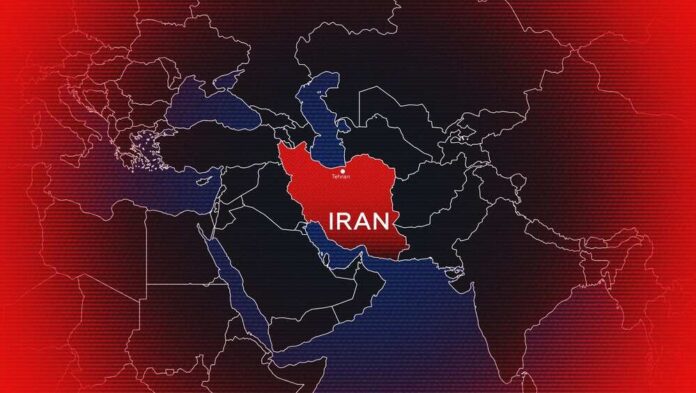
The statement ordered Iran’s forces to keep using the Strait of Hormuz as a pressure point. It said the “lever of blocking the Strait of Hormuz must certainly continue to be utilized”. The narrow waterway carries a large share of the world’s oil. Disruption there can spike prices fast. Earlier moves at the strait already shook markets and triggered global calls to reopen the route. Every day of tension there hits energy costs, trade routes, and consumer prices far from the Gulf.
Pressure at Hormuz also tests United States power and alliance unity. Shipping escorts, insurance costs, and military patrols all rise when risk goes up. That expense does not fall on elites alone. It shows up in gas prices, airline tickets, and goods that move by sea. People on the right and left in the United States already feel squeezed by inflation and high energy costs. A standoff in this chokepoint adds to those burdens while Washington and Tehran trade threats with few clear offramps.
Dueling Narratives And Proof Gaps
Khamenei’s charge points to a joint United States–Israel strike as the cause. Major outlets have reported that claim as Iran’s position, not as an independently proven fact. There is no released autopsy, satellite dossier, or United States admission that confirms all details Iran asserts, including the exact casualty list. Analysts also note the statement was read on television without Khamenei present, which fuels questions about his health and direct control. Those gaps leave room for propaganda on all sides.
At the same time, reporting in Western media has described the February 28 strike campaign and its impact, and debate in the United States has focused on whether killing a foreign leader breaches the long-standing norm against assassination. The United States political message stresses deterrence and self-defense, while Iranian messaging stresses justice and national duty. Neither side has released the kind of primary records—operation logs, forensic reports—that could settle the argument for skeptics.
Signals Of Restraint Amid Threats
Even as the vow set a hard line, later actions showed some restraint. In June, Khamenei said he approved a United States–Iran understanding despite having a “different opinion,” after officials argued it served national interests. That move suggests Iran wants leverage without losing room for talks. It also hints at pressure inside Iran to calm markets and avoid a war it cannot control. For many Americans, this looks like another power game while regular people pay more at the pump.
🚨🇮🇷 BREAKING: Iran's Supreme Leader Mojtaba Khamenei has vowed revenge for the assassination of his father, former Supreme Leader Ali Khamenei, amid escalating threats against President Donald Trump.
⚠️ In a statement released after his father's burial, Mojtaba Khamenei…
— DNA GLOBAL News (@DNA_NEWS_24) July 12, 2026
For readers across the political spectrum, two truths can coexist. First, a government that kills or threatens abroad can trigger costly blowback at home. Second, a regime that blocks a global waterway or vows open-ended revenge risks isolating its own people. In both cases, elites make choices and average families carry the cost. Watch three things next: shipping flows through Hormuz, any release of hard evidence about the strike, and whether both sides keep a narrow lane for de-escalation.
Sources:
feedpress.me, nytimes.com, thehill.com, instagram.com, bbc.com, facebook.com