A bomb‑carrying drone aimed at Saudi Arabia’s Najran Airport is the latest sign that distant wars and unaccountable elites are turning civilian travel into a battlefield.
Story Snapshot
- Yemen’s Houthi movement says it hit a “sensitive target” at Najran Airport in southern Saudi Arabia with a combat drone.
- Saudi coalition officials say the drones targeted a mixed civilian‑military airport and call the attacks a “hostile” or “terrorist” act against civilians.
- This strike follows years of Houthi drone and missile attacks on Saudi airports and energy sites, and Saudi or Saudi‑backed strikes on Houthi‑held airports in Yemen.
- Airport attacks raise big questions for Americans about endless foreign wars, drone warfare, and who really benefits from policies that keep tensions boiling.
What The Houthis Say They Did At Najran Airport
Yemen’s Iran‑aligned Houthi movement claims it launched a drone strike on Najran Airport, a city close to the Saudi‑Yemen border. Their Al‑Masirah media outlet has a long record of quickly announcing cross‑border attacks, including earlier strikes on Najran’s airport and military sites. Houthi media said a Qasef‑2K, a small drone packed with explosives, hit what they called an “arms depot” or other “sensitive” facility linked to Saudi missile defenses. For the Houthis, these claims are meant to show they can punch back against a richer, better‑armed neighbor.
The Houthis frame the Najran strike as retaliation for Saudi‑led air raids and blockades that have battered Yemen for years. Their messaging says that hitting airports and weapons depots is a way to answer airstrikes that have damaged runways and destroyed infrastructure in Houthi‑held cities. In that story, they are the underdog using cheap drones to hit big military systems like Patriot air defense batteries near civilian airports. This is classic asymmetric warfare: a weaker force uses new tools, like drones, to attack larger powers where they feel vulnerable.
How Saudi Arabia And Its Allies Describe The Attack
Saudi‑led coalition officials confirm that an armed drone was launched toward Najran Airport but say their air defenses intercepted and destroyed it. A coalition spokesman told state media that the drone “attempted to target” a civilian site at an airport that serves thousands of travelers each day. In their view, the Houthis are not just hitting military gear; they are endangering families, workers, and airline staff on the ground. Saudi and coalition statements often call such airport strikes “hostile acts” or even “war crimes” when debris injures civilians or damages planes.
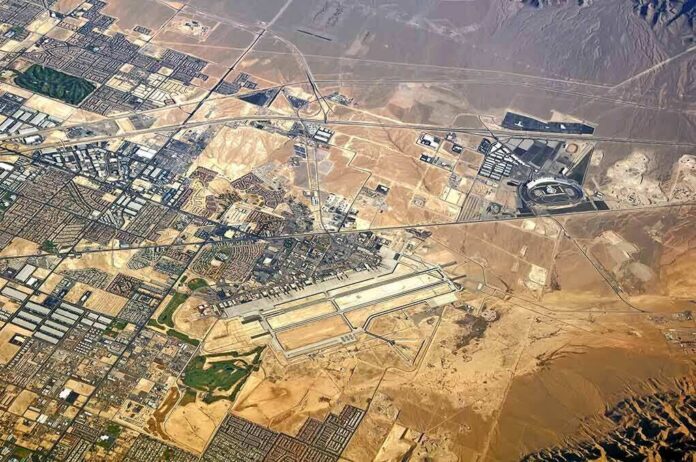
Reports from Arab and Western outlets describe Najran as a dual‑use airport with both military and civilian operations. That mix makes it easier for each side to tell its own story. Houthi media emphasizes the weapons depot and missile battery, arguing the target was military. Saudi sources stress packed passenger halls and flight operations, saying the Houthis are deliberately or recklessly putting travelers in danger. Independent reporters have confirmed explosions and fires from past drone attacks in Najran, but details about exact damage and casualties are often limited or delayed.
Airport Strikes And A Wider Pattern Of Escalation
This Najran incident fits a clear pattern. Since about 2018, the Houthis have used drones and missiles to hit or try to hit Saudi airports at Najran, Jizan, Abha, and even the capital Riyadh. Analysts who track conflict data say nearly half of Houthi cross‑border attacks in that period focused on civilian airports and energy sites, because these targets scare people, disrupt trade, and embarrass governments that claim to keep their citizens safe. These airport attacks are often framed as payback for Saudi and Saudi‑backed strikes on Houthi‑controlled airports in Yemen, like Sanaa.
💢 Houthis say they carried out a drone strike targeting what they described as a sensitive Saudi facility at Najran Airport in southern KSA, claiming the attack scored a direct hit.
💢 The group said the strike was retaliation for what it called repeated Saudi drone incursions… pic.twitter.com/WyGBuI5KNO
— Egypt's Intel Observer (@EGYOSINT) August 4, 2026
Recent events show this tit‑for‑tat clearly. In July 2026, Yemen’s internationally recognized, Saudi‑backed government struck Sanaa International Airport to block an Iranian plane returning a Houthi delegation from a funeral in Tehran. Hours later, the Houthis launched dozens of missiles and drones at Abha International Airport in Saudi Arabia, calling it “revenge for Sanaa.” Each side claims it is defending itself. But both keep hitting airports, which are supposed to be protected spaces for travel, trade, and basic movement of ordinary people.
Why This Matters To Americans Watching From Afar
For many Americans, especially those tired of “forever wars,” the Najran strike is another reminder that distant conflicts do not stay neatly on some faraway front line. When rebels in Yemen hit airports in Saudi Arabia, or when Saudi‑backed forces strike airports in Yemen, jets, cargo, and even oil prices can be affected worldwide. Drone warfare also raises hard questions. Cheap, remote‑controlled weapons make it easier for governments and armed groups to attack without putting their own soldiers at risk, but they make civilian sites more vulnerable.
Both conservatives and liberals in the United States see something familiar here. Powerful states and armed movements fight over airports, missiles, and influence, while regular people worry about jobs, prices, and safety. Long chains of decisions in Washington, Riyadh, Tehran, and Sanaa help keep this conflict alive, yet voters rarely get a clear say in how much risk or cost they are willing to bear. The Najran drone strike is not just a local story about Yemen and Saudi Arabia. It is another warning that deep‑state style power struggles and global rivalries can quietly put civilian lives and basic freedoms in the crosshairs.
Sources:
insiderpaper.com, reuters.com, voanews.com, xinhuanet.com, middleeasteye.net, en.abna24.com, middleeastmonitor.com, facebook.com, fdd.org, apnews.com, jpost.com, hrw.org