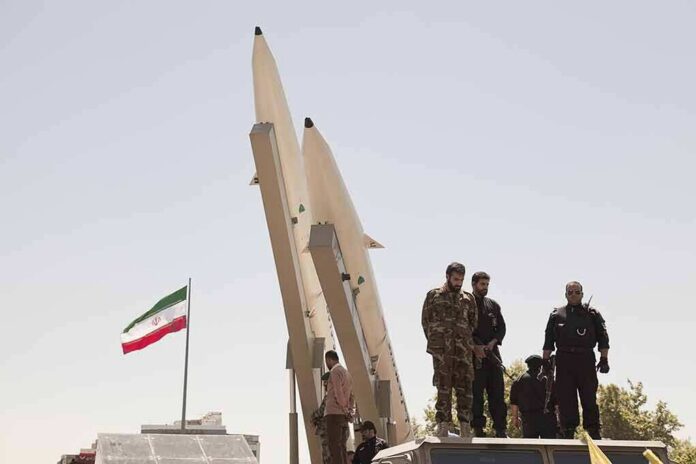
Iran’s Revolutionary Guard Corps said it confronted a U.S. submarine near the Strait of Hormuz, while U.S. naval officials flatly denied any such encounter happened.
Story Snapshot
- Iran claims control over the Strait of Hormuz and says it intercepted a U.S. undersea asset.
- The United States Navy says Iran’s submarine story is false and that Iran does not control the strait.
- Recent months saw Iran seize commercial ships as both sides fight for leverage at this vital chokepoint.
- The messaging war raises risks for oil prices, global trade, and U.S. forces in the region.
What Iran Claimed And Why It Matters
Iran’s Revolutionary Guard Corps said its naval arm confronted or struck a United States undersea vehicle near the Strait of Hormuz. Iranian officials also repeated that the waterway is under Iran’s control. State-linked and regional reports echoed that stance and described tighter checks on ships near the strait. This claim fits a long pattern in which Tehran projects power at the chokepoint to gain leverage over sanctions, regional conflicts, and negotiations with outside powers.
The Strait of Hormuz carries a major share of the world’s oil and fuel. Any hint of a clash can raise shipping insurance costs and drive up prices at the pump. When Iran seizes or delays cargo vessels, global firms reroute or wait it out, which slows trade. Those ripple effects hit families and small businesses, not just big companies. That is why even a disputed claim about a submarine or a seized ship can move markets fast.
How Washington Responded
The United States Navy’s Fifth Fleet called the Iranian submarine claim disinformation and said no U.S. submarine had transited the strait at that time. U.S. officials also pushed back on Iran’s broader claim to control Hormuz. They said Iran does not control the waterway and that traffic continues to flow. These denials aim to calm markets, reassure partners, and show that freedom of navigation still stands in practice.
This is not the first clash of claims. In 2023, Iran said it forced a U.S. submarine to surface. The Fifth Fleet again called that false and warned such stories harm regional security. In 2026, Reuters documented fresh Iranian statements that the strait was under Tehran’s “management and control.” The United States and its partners countered those messages with patrols and public updates to show steady maritime traffic.
What We Can Confirm Today
Reporters have not shown independent public evidence that a U.S. submarine was seized or forced up. What is confirmed is Iran’s active maritime pressure. Iran has seized multiple commercial ships in and near the strait this year, citing lack of permits or safety violations. These actions show Tehran can create real friction for shippers while also pushing a message that it polices the waterway on its own terms.
For Americans, the stakes are simple. Higher shipping risk often means higher fuel and goods prices. For service members, these standoffs raise danger in tight waters where seconds matter. For both the right and the left, this is another sign that great-power games often leave regular people paying the bill. Leaders in Washington and Tehran trade statements. Shippers and families absorb the costs. That gap feeds the belief that elites posture while daily life gets harder.
What To Watch Next
Watch for satellite-tracked shipping flows through Hormuz, any new ship seizures, and statements from the United States Central Command and allied navies. Look for quiet talks led by Oman or other mediators, which often follow spikes in tension. If traffic slows or insurers raise rates, prices could jump again. Clear, on-the-record photos or logs would help verify claims, but sensitive operations near Hormuz rarely come with public proof in real time.
Sources:
theguardian.com, azernews.az, reuters.com, armyrecognition.com