
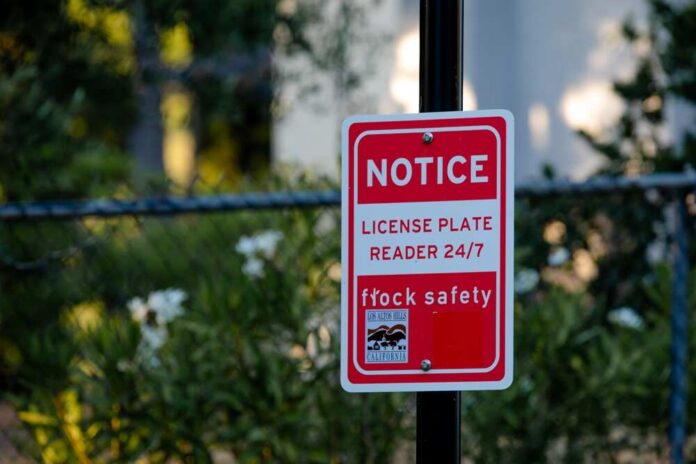
Sixty-one percent of Iowa voters oppose police license-plate tracking even as agencies keep building the network.
Story Snapshot
- A majority of likely Iowa voters reject police use of automated plate readers.
- Several Iowa cities ended or limited contracts after public pushback.
- Iowa has only a 30-day data limit statewide despite about 60 agencies using the tech.
- Police and vendors defend readers as legal and useful for safety and recoveries.
What Voters Said And Why It Matters
An Emerson College survey found that 61 percent of likely Iowa voters oppose police use of automated license plate reader cameras, while 26 percent support it. That sentiment cuts against the steady spread of the cameras across the state. Voters across party lines say the systems feel like tracking without a judge’s warrant. The concern is not one photo on a street. It is the build up of location logs that can be searched later for any driver.
Residents voice a common fear: data gathered for stolen cars today can become a travel diary tomorrow. People who lean conservative worry about big government databases. People who lean liberal worry about bias and mission creep. Both sides see a system ripe for abuse by the powerful. They ask why elected leaders, who promised oversight, have let the network grow faster than the rules to control it.
Local Governments Respond To Public Pressure
City leaders in Coralville voted to end the Flock Safety camera contract after months of public outcry and removed the devices from city property. Police in Waukee chose not to renew their deal with Flock after listening to community concerns. Indianola also discontinued use, while Urbandale tightened contract terms to restrict third-party data sharing without written consent. These steps show councils and chiefs trying to match policy to public demand for stronger privacy limits.
Iowa Public Radio reported that lawmakers floated six bills this year to regulate license plate readers, but none passed. Today, the only specific statewide rule caps retention at 30 days, even as about 60 Iowa government agencies use the technology. That gap between growth and guardrails is the heart of the voter backlash. People want clear limits on who can search, why they can search, and how long records last, with audits the public can see.
Supporters Cite Safety Gains And Legal Policies
Police departments in other states describe rules that limit use to official purposes, require audits, and bar scraping data for petty enforcement. The Los Angeles County Sheriff’s Department says the tool must align with the United States Constitution and the Fourth Amendment, with access restricted to law enforcement needs. Departments in Providence and Renton say readers help find stolen cars, suspects, and missing children when minutes count. Those claims do not erase privacy risks, but they explain why many chiefs want the tool.
One Iowa case highlights that public safety angle. A local report said Altoona police searched a Flock database for a suspect plate, found the vehicle, and recovered two missing girls, including one missing more than two years. That result is hard to ignore. It shows how fast queries across a camera network can locate a car. It also shows why tight rules matter, since powerful tools can do great good or real harm depending on how they are managed.
The Core Dispute: Brief Sightings Versus Long-Term Tracking
Legal analysts note that a single plate check on a public road is usually lawful without a warrant. The Brennan Center explains that courts have often allowed one-time captures, while debates rise over long-term searches of stored location data. Critics argue that many small sightings, saved for weeks or months, become a map of a person’s life. That concern echoes a broader warning from privacy law: aggregation can change the nature of the search.
A new feature from MapQuest is giving drivers a look at something they may not have realized was watching them.
The navigation app now displays reported locations of Flock Safety cameras and other automated license plate readers across the country, including cameras in Iowa.… pic.twitter.com/dKSO2Y1XOa
— Iowa Pulse (@IowaPulse) October 19, 2026
Iowa’s path now looks clear. Voters want bright lines on retention, sharing, and audits. Cities are already moving. The state can set minimum rules that match public will: short default retention, strict purpose limits, warrant standards for historical queries, public logs of searches, and bans on resale or non-case sharing. Those steps would respect safety needs and the right to move without being quietly tracked by a system most people never chose.
Sources:
reason.com, iowapublicradio.org, kcci.com, radioiowa.com, desmoinesregister.com, lasd.org, download.fargond.gov, rentonwa.gov, brennancenter.org, law.cornell.edu