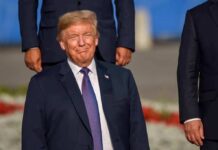


Defense Secretary Pete Hegseth met Israel’s Benjamin Netanyahu at a southern air base to talk Iran as U.S. jets stood ready nearby.
Story Snapshot
- Hegseth held an unannounced meeting with Netanyahu in Israel on October 19, 2026.
- Israeli officials said Iran was the topic of the discussion.
- The meeting took place at Ovda Air Base, where U.S. refuelers and fighters were deployed.
- No official readout detailed decisions or next steps after the talks.
What Happened and Where
Axios reported that Defense Secretary Pete Hegseth met Prime Minister Benjamin Netanyahu during an unannounced visit to Israel on October 19, 2026, citing two sources with knowledge of the meeting. Other outlets also reported the encounter, placing it at Ovda Air Base in southern Israel. The base hosted United States refueling aircraft and fighter jets during the visit, underscoring the high-stakes security backdrop. Israeli officials told reporters the discussion centered on Iran and related threats.
Hegseth posted publicly that he visited United States personnel in the area of United States Central Command, calling them “on a historic mission,” but he did not name Israel or Netanyahu in that statement. Reports identified additional Israeli attendees, including Defense Minister Israel Katz and National Security Adviser Shmuel Ben Ezra, indicating the talk involved senior decision-makers. The timing landed eight days before Israel’s October 27 election, adding political pressure around any Iran-related moves.
Why Iran Was the Focus
Three Israeli officials told The Detroit News that Hegseth and Netanyahu discussed Iran during the visit, aligning with broader reporting of renewed security consultations between Washington and Jerusalem. Media coverage pointed to ongoing talks about whether to resume major operations targeting Iran’s capabilities, though accounts did not detail a specific plan. This approach matches a common pattern in regional diplomacy where sensitive military options are reviewed in private, and only general outlines reach the public.
Several outlets emphasized the military posture at Ovda Air Base as a signal of readiness if leaders chose to escalate. Still, none of the reports said a green light had been given for new strikes. Instead, the visit looked like high-level coordination, information sharing, and planning for contingencies. That is typical when leaders want options on the table without committing to action before they judge the risk and political costs at home and abroad.
What Was Not Said Officially
The Pentagon declined detailed public comment, and the Israeli government did not issue a formal readout, leaving the substance of the meeting to sourced reporting rather than transcripts or memos. That silence is not unusual for meetings tied to possible operations, where protecting troop safety and diplomatic leverage takes priority. But it also means taxpayers and allies must infer intent from limited facts, aircraft movements, and short statements that avoid specifics.
🔴 BREAKING NEWS: Hegseth met Netanyahu on an unannounced Israel trip amid talks of renewed combat against Iran, while Vance declined to join Trump’s endorsement ahead of Israel’s Oct. 27 election.
I have the latest here: https://t.co/XneEoQeN2D pic.twitter.com/okhfOds3NE
— Donny Evans (@iamdonnyevans) October 20, 2026
For many Americans, this is the core frustration: leaders hold critical talks out of view while families worry about costs, risks, and the chance of a wider war. Conservatives see echoes of past open-ended missions and want clear goals and an exit plan. Liberals fear mission creep, civilian harm, and more strain on social needs at home. Both sides want accountability on when force is used, why it is needed, and how success will be measured—before events outrun debate.
What To Watch Next
Watch for any official readout from the United States or Israel that outlines agreed steps or a decision timeline. Look for changes in flight activity, deployments, or new defensive alerts around Israel that might signal a shift from planning to execution. Track statements from Congress about oversight, funding, or authorization. If talks with partners widen, notice whether Arab or European governments confirm briefings or joint planning, which could reveal the scale of any next phase.
Bottom Line
Multiple outlets reported that Hegseth met Netanyahu in Israel to discuss Iran, at a base where United States jets were positioned, days before Israel’s election. Public statements stopped short of announcing decisions or operations. The meeting fits a familiar pattern: urgent talks behind closed doors while leaders balance security, politics, and the real human costs of war. Citizens across the spectrum want clarity, limits, and proof that strategy—not secrecy—drives what comes next.
Sources:
navytimes.com, axios.com, upi.com, jpost.com, detroitnews.com, arabnews.com, yahoo.com