
Minnesota’s own rules allow eligible voters to register on Election Day with a photo ID plus a recent phone, TV, or internet bill—fueling new outrage over how loose or fair those safeguards really are.
Story Highlights
- Minnesota permits same-day registration with a photo ID and a current-address bill dated within 30 days.
- Already-registered voters typically do not need to show identification at the polling place.
- State officials say only U.S. citizens may vote and that data checks flag ineligible records.
- A state-cited review found three noncitizen voting cases among 13.4 million ballots from 2015–2024.
What Minnesota Law Allows at the Polls
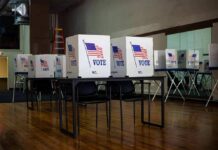
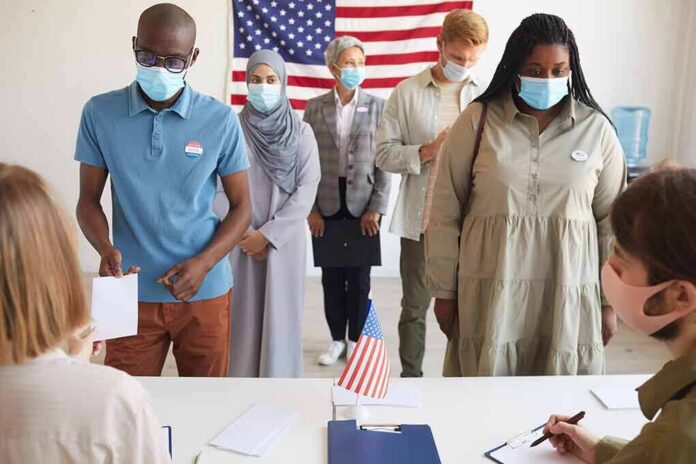
Minnesota law allows eligible voters to register at the polling place on Election Day. The person must complete an application, take the required oath, and provide proof of residence. Accepted proof includes using a photo ID together with a recent bill that lists the voter’s current name and address. The state lists phone, television, or internet bills dated within 30 days as acceptable for this purpose. These steps center on identity and residence, not presenting citizenship papers at the polling place.
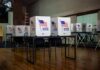
For voters whose registration is already current and active, the state says no identification is required at check-in. That policy is meant to move lines faster and rely on earlier verification. Critics argue it lowers a key barrier to fraud. Supporters say the system already screened these voters and tracks every ballot. Both sides point to the same rule to argue either access or risk. The rule itself is clear: active registrants do not need to show ID to vote.
What Officials Say About Eligibility and Safeguards
Minnesota officials state that only citizens of the United States are eligible to vote. They say same-day registration is available to an eligible voter who takes the oath and shows proof of residence. After elections, officials run checks across Driver and Vehicle Services, Social Security Administration, Department of Health, and court records. They say these checks help find people who may have registered or voted while ineligible and refer those cases to county attorneys.
Officials also describe a specific step for people in records marked as noncitizens on temporary visas. If such people appear in registration files, their records are challenged. They must answer questions under oath before they can vote, and the case is sent to a county attorney. The Secretary of State cites a review that found three noncitizen voting cases from 2015 through 2024 out of 13.4 million ballots, while stressing that strict citizenship document rules can also block eligible voters.
Why the Rules Trigger Fresh Backlash
Video clips and posts claim a Minnesota outreach official told Somali-language viewers they could register and vote with only a simple bill. The core of that message tracks real state rules about proof of residence. But the clips leave out key limits. The bill must show the voter’s current name and address and be recent. Using this method still requires a photo ID. The state does not ask for a citizenship document at the polling place; the oath and later checks carry that burden.
🛑 Minnesota Election Official Goes on Somali TV: "You Don't Need to Bring Anything" (ID)🛑
Minnesota's voter outreach director, Melanie Hazelip, from Secretary of State Steve Simon's office, went on Somali TV of Minnesota and told viewers exactly how easy it is to vote in her… pic.twitter.com/4u9Zi5kFEs
— Katie K USA (@KimKatieUSA) October 27, 2026
These details land in a national fight. Conservatives see weak checks that invite abuse. Liberals see fair access with back-end audits to catch problems. Many Americans, across parties, doubt that leaders are leveling with them. They want proof the system flags real risks and that errors face consequences. Minnesota’s approach—easy front door, strong back-end checks—promises both access and security. The open question is how often the back-end actually bites, and how transparently it is reported.
What We Know, What We Do Not
The record shows Minnesota accepts a phone, TV, or internet bill, with a photo ID, for Election Day registration proof of residence. The record also shows that active registrants are not asked for ID at the poll book. Officials say they run multi-agency checks and challenge cases tied to temporary-visa records. What is unclear is the scale: the state-cited review found only three noncitizen voting cases since 2015, but public, auditable counts by category remain limited.
Sources:
thegatewaypundit.com, sos.mn.gov, revisor.mn.gov