
New York City pledged to keep helping immigrants after a Supreme Court ruling ended key protections, setting up a fresh clash between local values and federal power.
Story Snapshot
- Mayor Zohran Mamdani said city services will keep supporting immigrants affected by the ruling.
- The city highlighted Haitian and Syrian communities as most at risk and urged residents to seek legal help.
- Earlier orders limited federal immigration agents’ access to city sites without a judge’s warrant.
- Senator John Fetterman warned that open defiance of the Court would risk a constitutional crisis.
What New York City Said It Will Do Now
The Mayor’s Office said the Supreme Court decision upholding the end of Temporary Protected Status would hurt immigrant families, especially Haitians and Syrians. City leaders told residents not to panic and to contact the city’s immigrant hotline for referrals to lawyers. The office said New York City would keep using local tools to protect privacy, provide “Know Your Rights” help, and connect people to aid. These steps focus on services, not on blocking federal officers.
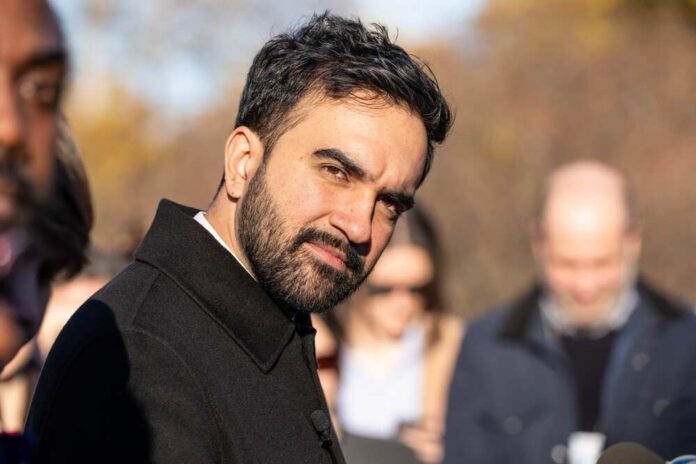
Mayor Zohran Mamdani repeated that the city hotline stands ready to answer legal questions and make referrals. He cast the decision as a serious blow, but he tied the city’s response to concrete help, like legal guidance and training. He did not claim the power to change federal immigration outcomes. His comments matched the city’s public guidance urging residents to get advice from trusted legal providers and avoid scams.
The Sanctuary Rules Already In Place
Months before the ruling, the mayor signed an order reinforcing sanctuary policies. The city barred federal immigration agents from entering schools, shelters, and hospitals without a judge’s warrant. The order required agencies to review privacy safeguards and provide “Know Your Rights” training. These rules limit local cooperation in civil immigration cases and aim to protect access to services. They do not stop federal agents from acting under federal law, but they restrict city help in those actions.
City policy materials frame sanctuary rules as a way to focus local resources on local safety and trust. Officials say people are more likely to report crimes or seek care when they do not fear a civil immigration arrest at a city site. The policies draw a line between federal and local roles. New York City can decide how to deploy its workers and facilities. The federal government controls immigration status and removals. That division lies at the core of this recurring fight.
Where The Legal Lines Are—and Are Not—Clear
The Supreme Court ruling concerns the federal government’s power to end Temporary Protected Status. It did not order the city to take specific steps. Critics say any talk of “defiance” risks confusion about that point. The record here shows city services and sanctuary limits, not a directive to ignore a Court command. The gap creates room for strong rhetoric on both sides, while the legal edge of city authority over federal removals remains narrow.
Pennsylvania Senator John Fetterman, a Democrat, warned that refusing to follow a Supreme Court ruling would be a constitutional crisis. His comments added pressure by suggesting that some responses cross a bright legal line. His warning underscores a wider fear shared by many Americans: powerful leaders speak past the law while regular people face the costs. That worry spans partisan lines and fuels anger at a system seen as serving insiders first.
Why This Fight Resonates Beyond New York
Immigration clashes often reflect a deeper struggle over who decides how local police and services are used. Cities argue they should not be forced to spend local dollars on federal civil enforcement. Federal officials argue that local limits slow removals that the law requires. The tension feeds a cycle of headline fights, lawsuits, and sharp sound bites. It also feeds public doubt that leaders in any party are solving real problems with clear rules and fair treatment.
Sources:
abc7ny.com, dailysignal.com, townhall.com, wabcradio.com, nypost.com, perryworldhouse.upenn.edu