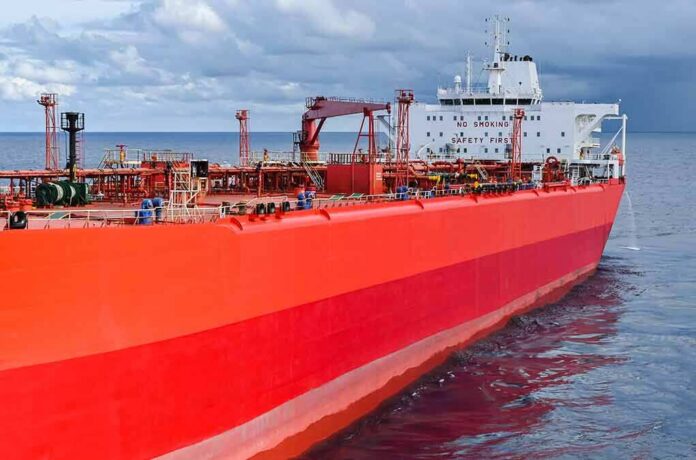
President Trump’s diesel deal with Vladimir Putin trades short-term price relief for a sharp break in U.S. Russia policy, and Kyiv is alarmed.
Story Snapshot
- Trump announced Russian diesel shipments after the U.S. Treasury issued a temporary license.
- Kremlin officials signaled readiness to supply oil products to U.S. and global markets.
- Analysts say added supply could trim prices, but early volumes look modest.
- Ukraine’s president blasted the move as a “weak decision” that aids Russia.
What The Deal Actually Does
President Trump said Russia will send diesel to the United States and world markets, with an initial shipment of more than 300,000 tons and more to follow. The Kremlin said it is ready to supply oil and petroleum products. The United States Treasury issued a temporary license to allow these transactions under sanctions rules. These steps make the plan more than talk, though many details remain private, including final routes, buyers, and delivery points.
Trump described the volumes as large and aimed at lowering prices. He linked tight supply to refinery issues and earlier Russian export limits. A fuel-price analyst estimated the deal could lower diesel by about 10 to 20 cents per gallon in the short run. That forecast describes a possible effect, not a proven outcome. Price moves will depend on how fast cargoes arrive, how wide the coverage is, and how long shipments continue.
Scale, Timing, and Market Limits
Context matters for the numbers. Reporters noted the first 300,000 tons would cover only slightly more than 14 hours of U.S. diesel and other distillate use. That makes the kickoff cargo small next to national demand. Trump also tied later deliveries to the condition of Russian refineries, which have faced disruptions. The plan did not come with a public contract or schedule, so timing and enforcement remain uncertain for now.
Markets reacted, but not in a way that settles the debate. Coverage said diesel futures fell roughly 4 percent after the news, yet prices stayed far above levels from the start of the year. That drop suggests traders saw some near-term relief, while the still-high baseline shows broader pressures remain. These include refinery capacity, inventories, shipping costs, and global demand that a few cargoes alone may not fix.
Why Kyiv Is Protesting
Ukraine’s President Volodymyr Zelensky criticized the decision as a “weak” move by strong partners. He argued that letting Russia sell petroleum products invests in a war that should end, not stretch on. He warned that easing pressure on Moscow without a clear, lasting de-escalation will play into Russia’s hands and reduce respect for American power. His statement places security and moral costs above any near-term price dip for U.S. consumers.
Trump in Syracuse: “Today, Russia agreed to send us millions and millions of barrels of oil—and it's diesel.”
— Lucas Tomlinson (@LucasFoxNews) October 10, 2026
Kyiv’s reaction reflects a core split in priorities. The White House framed the plan as a way to help truckers, farmers, and families deal with high costs. Ukraine and its supporters see the same action as undercutting sanctions and weakening leverage on Moscow. Both things can be true at once: more diesel might ease prices at the margin, while also sending money into Russian export channels that Ukraine wants to choke off.
The Bigger Picture For Americans
The deal fits a familiar pattern. Fuel prices squeeze families, and leaders look for quick relief. This time, the fix required bending sanctions policy that Washington had backed for years. That trade-off feeds a wider frustration on both left and right: leaders say they serve the people, yet the system seems built to protect itself. Voters who run trucks and tractors want lower bills. Voters who back Ukraine want pressure on Moscow to stay firm.
Reasonable questions remain. Did the temporary license set clear limits on which products, companies, and routes are allowed? Will customs and shipping data confirm that Russian diesel enters U.S. commerce in size? How long will shipments last, and what penalties apply if they stop? Those answers will show whether this is a short bridge over a tight market or a longer reset of Russia policy that carries real strategic costs.
What To Watch Next
Watch for Energy Information Administration import data, port manifests, and refinery receipts to verify actual flows. Track national diesel prices and regional spreads to see if relief reaches the pump or stays on paper. Look for any follow-up from the Treasury on the license scope or duration. Watch Ukraine’s next steps with Europe, which has its own embargo rules, to see if allies harden or soften their stance in response to Washington’s move.
Sources:
youtube.com, reuters.com, usatoday.com, bostonglobe.com, upi.com, newsukraine.rbc.ua, amp.dw.com, ttnews.com, yahoo.com, apnews.com