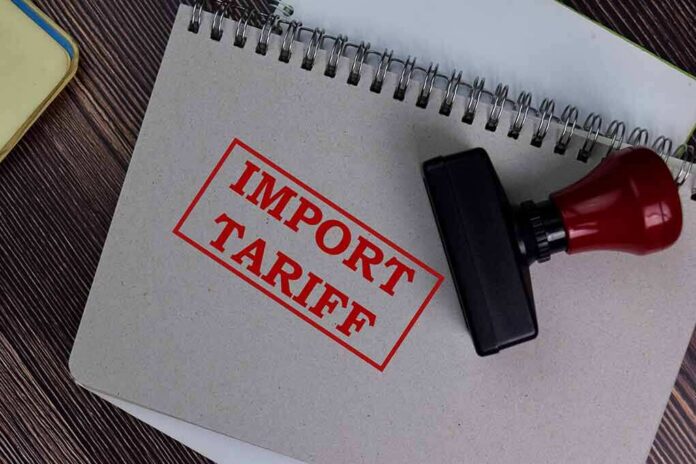
Europe’s top official invited Canada to become the European Union’s first “associate member,” and President Trump warned he could hit Europe with steep tariffs if that happens.
Story Highlights
- European Commission chief publicly invited Canada to explore “associate member” status.
- European Union treaties do not define this status; details remain unclear.
- President Trump warned of high tariffs or trade halts if he deems the move hostile.
- Canada seeks a deeper EU alliance but not full membership, officials say.
What Europe Proposed And Why It Matters
European Commission President Ursula von der Leyen told lawmakers in Strasbourg on September 16 that she wants to “open the door” for Canada to become the European Union’s first associate member. She framed the idea as building tighter links with allies in an “openly hostile world,” not as a strike at the United States. The label would mark a major shift in branding for EU partnerships. But it does not yet carry set rules, rights, or duties under current European Union law.
Reuters reported that the European Union’s treaties have no defined “associate member” status today. That means officials would need to design what the term means and how it works. Such work could involve new agreements or even changes that require approval by member states. Until those steps occur, this remains a political signal. The signal is still important because it points to tighter trade, energy, and tech ties between Canada and Europe over time.
How Washington Responded And What Could Follow
President Trump said that if he views the move as a hostile act, he would impose very high tariffs or halt trade with Europe on certain items. His warning raises stakes for businesses on both sides of the Atlantic. Any tariff fight would hit consumers through higher prices and supply chain strains. Trump has used tariffs as leverage before. The message here is clear: if Europe redraws its map of close partners, the White House may redraw trade costs in response.
Trump’s warning came as Canada and Europe were already exploring a deeper partnership. Reuters reported that Canadian leaders seek a “unique alliance” with Europe, but not full European Union membership. The effort aims to expand work on critical minerals, clean energy, and defense industry links. Canada’s incoming ambassador also said the sides are “a ways away” from defining the relationship. That suggests months of talks before any label gains shape or legal force.
What We Know And What We Do Not
Facts are firm on three points: von der Leyen floated the associate idea in public; European Union law does not define that status; and Trump threatened tariffs if he deems the step hostile. Everything else is unsettled. No text shows the European Union plans to harm the United States. No legal pathway has been announced. No tariff list has been named by Washington. The gap between political words and legal action is where risk can grow.
‘Very heavy tariffs’: Trump threatens EU over plan to make Canada its first associate member
US President Donald Trump has threatened to impose heavy tariffs on the European Union if it proceeds with plans to offer Canada associate membership status, describing the proposed… pic.twitter.com/L0dgiAKNp1
— Rifnote (@viarifnote) September 17, 2026
For readers tired of grand talk and weak delivery, this episode shows how elite signals can move markets and strain trust. Leaders cite an “openly hostile world” to justify new blocs, while families at home face higher bills when tariff threats fly. Conservatives see a risk of more global entanglements. Liberals see worry about a winner-take-all economy. Both sides see a government machine that too often reacts late and leaves workers to pay the price. Clear terms before bold claims would help everyone.
Sources:
menafn.com, biz.chosun.com, globalnews.ca, tribuneindia.com