
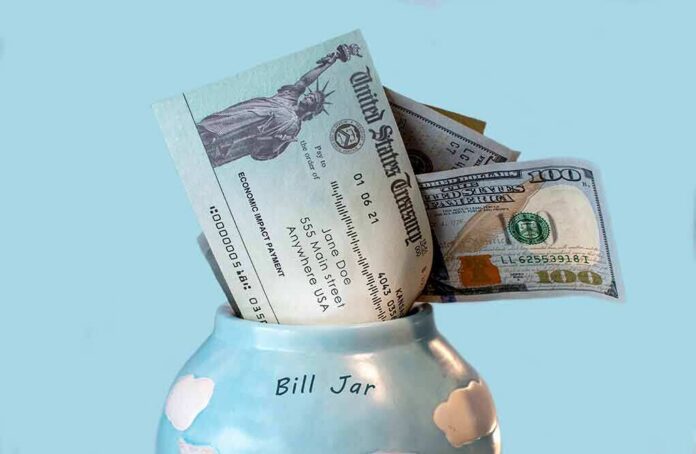
Nearly one million Americans are getting a $500 check in the mail this month, signed personally by President Trump.
Quick Take
- The Treasury Department is sending $500 refund checks to more than 950,000 people across 30 states.
- Only states using the federal HealthCare.gov marketplace qualify, not the 20 states with their own exchanges.
- The White House says the money comes from a surplus of marketplace “user fees” that drove up premiums.
- Each payment arrives with a letter signed by President Trump, just weeks before the November midterms.
Treasury Checks Start Landing In Mailboxes Across 30 States
The White House announced on September 10, 2026, that nearly one million Americans would get a $500 refund check starting in October. The fact sheet called it the “Working Families Obamacare Refunds” program. By the end of September, Treasury had already started mailing checks to more than 950,000 people in 30 states, according to Reuters and USA Today.
The payments total roughly $500 million, based on reporting from CNBC. That is real money going out the door, not a symbolic gesture. But it only reaches people in states that rely on the federal marketplace rather than running their own health insurance exchange, which cuts the eligible pool in half right from the start.
Who Actually Qualifies For The Money
Eligibility comes down to two things: where you live and how you paid for your coverage. Residents of the 30 states using HealthCare.gov are in play. The other 20 states that built their own ACA marketplaces are left out entirely, a distinction confirmed by Reuters, CNBC, and CNN alike.
Within those 30 states, the checks go mostly to people who bought Affordable Care Act plans without taxpayer-funded premium help. CNN reported the refunds target “policyholders who did not receive federal premium subsidies,” while Fox News described the same group as those who “did not receive premium assistance”. In plain terms, these are people who paid full price for their health coverage and got nothing back from the government, until now.
The White House Calls It A Refund, Not A Handout
The administration insists this isn’t new spending. Officials describe it as returning money that was never supposed to be collected in the first place. The White House says fees charged to insurers selling plans on HealthCare.gov were set too high during the Biden administration, and insurers passed those costs straight to consumers through higher premiums.
CNBC quoted White House officials saying the refunds come from a “surplus of user fees”. ABC News described it as money tied to marketplace “user fee” overcharges. That framing matters. A refund of money improperly taken from consumers is a very different political story than a new government giveaway, and the administration has been careful to pick the first label.
Trump’s Signature Makes The Politics Impossible To Ignore
Every check comes with a letter personally signed by President Trump, confirmed by both USA Today and Bloomberg. That is not an accident of government paperwork. It is a deliberate choice that puts the president’s name directly in front of nearly a million households just as midterm campaigns are heating up.
Reuters noted the qualifying states line up with some of the most competitive statewide races on the ballot this November. Whether you see that as smart politics or simple coincidence, the timing is impossible to miss. A $500 check with the president’s signature arriving in a mailbox five weeks before an election sends a message whether anyone intends it to or not.
What Comes Next For Families Watching Their Mailbox
For the nearly one million people who qualify, the process is simple: watch for a Treasury check and a Trump-signed letter sometime in October. There is no application needed, based on how the program has been described in reporting so far.
For everyone else, especially those in the 20 states running their own ACA exchanges, this round of refunds simply does not apply. The administration has framed this as correcting a specific overcharge tied to the federal marketplace, not a broader relief program for all health insurance customers nationwide.
Sources:
washingtonpost.com, whitehouse.gov, reuters.com, usnews.com, foxnews.com