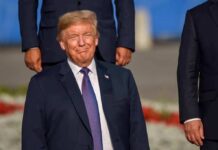


Russia freed retired American teacher Stephen Hubbard after President Trump publicly urged Vladimir Putin to let him go and sent a special envoy who confirmed the release on the ground.
Story Snapshot
- President Trump said he asked Vladimir Putin to release Stephen Hubbard; Moscow freed him the next day.
- Special Envoy Steve Witkoff met Putin in St. Petersburg and confirmed Hubbard was leaving Russia.
- Russian state media said Putin announced the release; reports did not cite a prisoner exchange.
- The State Department had labeled Hubbard wrongfully detained before Trump’s intervention.
What Happened and When
On October 20, 2026, President Trump said at the White House that he had asked Russian President Vladimir Putin to release Stephen Hubbard. Trump told reporters he had discussed Hubbard with Putin and wanted him released soon. On October 21, major outlets reported that Russia freed Hubbard while Special Envoy Steve Witkoff met with Putin in St. Petersburg. Witkoff confirmed the release and said Hubbard was on his way home.
Russian state media said Putin announced the release and that Hubbard was preparing to leave the country. The New York Times reported that Putin told Witkoff Hubbard was at the airport, which matched the rapid timeline after Trump’s public appeal. Multiple reports described no corresponding prisoner exchange or identified concession by the United States tied to the release. Those accounts emphasized that the step appeared unilateral from the Russian side.
Who Is Stephen Hubbard and Why His Case Drew Focus
Stephen Hubbard is a retired American teacher who had been held in Russia for years, according to the coverage. Some outlets described him as 74 years old, while others gave a different age, reflecting fast-moving reports. Under the prior administration, the United States government labeled Hubbard as wrongfully detained. That designation placed his case in a special category for diplomatic priority and support. The label signaled that Washington viewed his imprisonment as unjust.
Families of detained Americans often face long waits and shifting hopes. Wrongful detention cases can take years, with progress arriving in short bursts. The Hubbard case followed that pattern. The public appeal by President Trump came one day before the release reports, and the presence of a special envoy underscored the gravity of the outreach. That mix of high-level requests and on-the-ground talks is common in these complex cases.
The Role of Trump’s Envoy and the Meeting With Putin
Special Envoy Steve Witkoff traveled to Russia and met Putin in St. Petersburg. During that meeting, Witkoff said he learned Hubbard was being released and told Putin, “Because of you, he’s going home to his family,” according to the reporting. The meeting also touched on broader issues, including efforts related to the war in Ukraine and the state of relations between the two countries, which formed the wider context for the trip.
The envoy’s presence gave the White House a direct channel to confirm Hubbard’s status. That cut through rumor and let U.S. officials speak with confidence about the outcome. It also showed a structured approach: a presidential appeal, a senior-level meeting, and a quick verification of movement. This sequence does not reveal everything about Moscow’s calculations, but it explains how Washington tracked the final steps.
Why This Matters Beyond One Case
The Hubbard release fits a wider pattern. Countries that detain Americans sometimes use the cases as leverage, which experts call hostage diplomacy. In these situations, releases can reflect pressure, timing, and changing interests, not just one conversation. That is why multiple administrations invest in steady diplomatic work, legal support, and well-timed outreach. The State Department designation and the envoy mission both align with that playbook.
🚨 74-year-old American Stephen Hubbard is FREE after more than four years in Russian custody! 🇺🇸
Trump says he personally raised Hubbard’s case with Putin. Witkoff’s talks in Russia coincided with his release.
A long-awaited reunion with family! 🙏🏻🇺🇸 pic.twitter.com/dkm53RN2l2
— Laura Loomer 🇺🇸 (@ELauraLoomer) October 21, 2026
At home, these cases often turn into fights over credit. Supporters point to presidential pressure or a specific envoy’s role. Others highlight years of groundwork by diplomats and families. The record here shows a clear timeline: Trump’s ask, the Putin meeting, and the release. The reporting also notes no identified swap. Taken together, those facts mark a win for Hubbard and his family and a reminder that government action can still deliver when stakes are personal and urgent.
Sources:
facebook.com, abc7.com, edition.cnn.com, nytimes.com, bostonglobe.com, cnn.com, cbsnews.com, themoscowtimes.com, hawaiipublicradio.org, foxnews.com