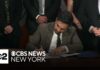
President Trump’s endorsed pick, Anthony DiLorenzo, won New Hampshire’s 1st District Republican primary, signaling a hard-fought general election ahead in a swing seat.
Story Highlights
- Associated Press called the race for Anthony DiLorenzo in NH-01
- NPR vote tally showed DiLorenzo above 50 percent with most votes counted
- Trump’s endorsement power again shaped a key Republican primary
- November matchup will test voter concerns over cost of living and trust
What Happened: DiLorenzo Secures the GOP Nomination
The Associated Press declared Anthony DiLorenzo the Republican nominee for New Hampshire’s 1st Congressional District after the September 8 primary, cementing a win in one of the nation’s most competitive House seats. Public returns posted by National Public Radio showed DiLorenzo over 50 percent with most precincts reporting, well ahead of his nearest rival, Hollie Noveletsky. Local coverage described his victory as clear, setting up a general election in a district that often swings between parties.
Major outlets tied DiLorenzo’s victory to President Trump’s endorsement, which again proved influential in Republican primaries this cycle. The Associated Press explains it calls races only when trailing candidates no longer have a path to win, reflecting a process built on data and vote patterns rather than guesswork. That approach helps shape the public view quickly on election night, even as full official canvasses continue in the following days.
Why It Matters: A Bellwether Seat With Kitchen-Table Stakes
New Hampshire’s 1st District has flipped several times over the past decade, often tracking national moods on jobs, prices, and border security. Voters in both parties say the federal government is not solving basic problems, from rising living costs to broken immigration systems. DiLorenzo’s business background and Trump’s backing give Republicans a unified start. Democrats counter with a message on rights, health care, and fairness in the economy, betting swing voters want steadier leadership and less turmoil.
DiLorenzo enters the race with momentum and name recognition from a crowded primary. Republican strategists see a chance to link Washington spending to inflation and argue for cheaper energy and tougher border controls. Democratic strategists will warn against cuts to social programs, stress protection for retirees, and press Republicans on abortion policy. Both sides know older voters, small business owners, and working families will decide the race based on who seems serious about costs, safety, and accountability.
The Trump Factor: Endorsements and Party Direction
Trump’s endorsement continues to shape Republican primaries in 2026, with national reporting noting a large number of his picks prevailing in House contests. In New Hampshire, the nod helped DiLorenzo consolidate conservatives and signal to independents which Republican had the strongest path in November. Supporters see this as party discipline and a focus on winning. Critics on the left see it as narrowing debate and doubling down on “America First” policies they oppose on immigration, climate, and social spending.
The endorsement storyline also reflects a deeper frustration shared by many voters: national leaders feel distant, and decisions in Washington seem to serve insiders first. That mood cuts both ways. Conservatives point to border failures and high energy costs. Liberals point to the wealth gap and risks to civil rights. DiLorenzo’s win does not settle those arguments. It moves them to a general election where turnout and trust may matter more than traditional party labels.
How the Call Was Made: Fast Decisions, Clear Standards
The Associated Press describes its race-calling standard in simple terms: it declares a winner only when trailing candidates have no path to catch up. The organization cites detailed vote analysis, past election trends, and rules in each state to reach that conclusion. In New Hampshire’s 1st District, that meant confirming DiLorenzo’s lead was secure as ballots came in and the remaining vote could not change the outcome, aligning with the tallies reflected by National Public Radio’s results page.
NH primary sets up Sununu vs. Pappas and Shaheen vs. DiLorenzo in midterms https://t.co/z9ViY7mLVi
— Fosters Daily Democrat (@FostersDailyDem) September 9, 2026
Quick calls can shape narratives, but the general election will be decided by policy contrasts and performance. Voters will judge who has a credible plan to lower prices, expand energy supply without spikes in bills, secure the border and the workforce, and protect rights while boosting safety. If DiLorenzo keeps Republicans united and wins independents who feel ignored by Washington, the seat could flip red. If Democrats frame him as out of step on social and economic safeguards, they can hold the line.
Sources:
nhpr.org, nytimes.com, aljazeera.com, apps.npr.org, apnews.com, ap.org