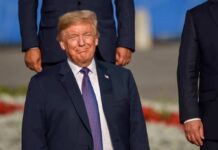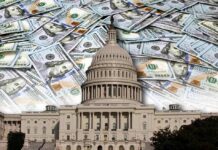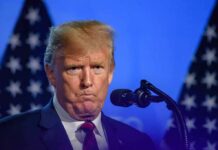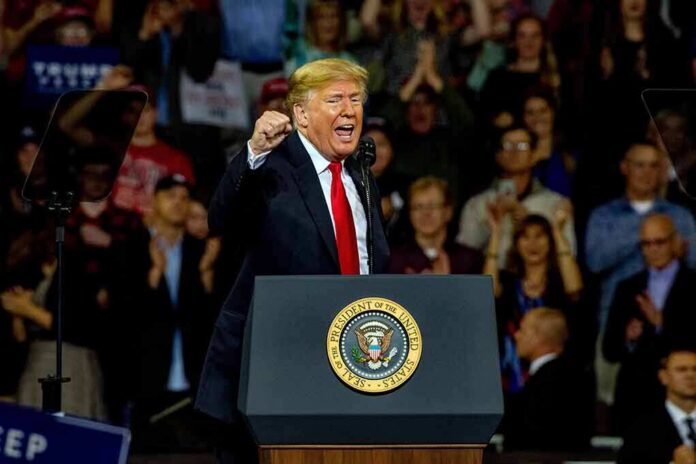
In a rare crossover, Senator Adam Schiff said he is in “strong agreement” with President Trump on a federal film tax credit to keep production in the United States.
Story Snapshot
- Senator Adam Schiff backed President Trump’s push for a federal film tax incentive and urged Congress to act now.
- Schiff favors tax credits over broad tariffs on foreign-made films, warning tariffs could backfire on consumers and jobs.
- California leaders have pushed a large federal credit to compete with incentives overseas and in other states.
- Research shows film credits can boost local shoots, but the wider payback is mixed and often disputed.
What Schiff Said And Why It Matters
Senator Adam Schiff, a Democrat from California, praised President Trump’s plan for a federal film tax credit and called for Congress to “work together” to pass it. Schiff represents Burbank, home to major studios, and has pressed for a national incentive for more than a year. His stance marks a public alignment with Trump on a narrow policy goal. That alignment could speed a bill in a Congress where Republicans control both chambers and the White House sets the agenda.
Schiff has argued that a clear tax credit is a better tool than sweeping tariffs on foreign films. He warned last year that blanket duties could raise prices and spark retaliation, hurting workers in the very industry the policy aims to help. Supporters say a federal credit would meet global competition without taxing viewers. Critics of tariffs add that companies would pass costs on to subscribers and ticket buyers, reducing demand for new content.
The Policy Landscape And Competing Ideas
California’s governor and congressional delegation have pitched a large federal incentive to match or beat offers from Canada, the United Kingdom, and other rivals. The state already runs a sizable credit to keep projects from fleeing to places like Georgia and New York. A federal add-on would stack with state programs and aim to tip location choices back toward American crews and vendors. Industry groups have lobbied Washington for a credit amid fierce global bidding wars.
The Trump administration has floated other tools alongside the credit idea, including financing options to lower production costs. Support inside the industry has coalesced around the “carrot” of incentives instead of the “stick” of tariffs. Studies warn that heavy duties aimed at offsetting foreign subsidies could disrupt markets and strain ties with allies who also host major shoots. A tariff-first approach would likely spur pushback from streamers and studios with international footprints.
What The Research Says About Film Credits
Academic reviews find that tax incentives can increase filming in targeted areas, but the broader gains to taxpayers are mixed and often temporary. Some work shows modest, sustained bumps in film employment from transferable credits, with little effect on wages or long-term growth. Other studies find that many projects would have filmed in those places even without subsidies, which blunts the net impact. That evidence is why the debate endures despite the policy’s popularity.
Researchers also describe a “bandwagon” effect. Once enough states or countries offer credits, others follow to stay competitive, even if returns shrink over time. That creates a race where productions move to whichever place offers the best deal this year. A federal credit could calm that churn by setting a national floor. But it could also fuel an arms race if other countries increase their offers to match Washington’s move.
What Comes Next In Congress
Republican control of both chambers gives the White House a path to move a bill quickly. Schiff’s public support signals room for a bipartisan package that trades tariffs for a clear, time-limited credit with job and spending tests. Lawmakers will still fight over the size, who qualifies, and how to pay for it. Advocates will press to include strong labor rules and domestic spend thresholds to guard against waste and offshoring.
🚨 TRUMP: BRING HOLLYWOOD HOME.
Congress is lining up — both parties — behind a federal tax incentive to stop film and TV jobs from fleeing to Canada and overseas.
Jon Voight and the industry asked for it. Even Adam Schiff is on board.
What we watch on screen should be MADE IN… pic.twitter.com/8EjADA1ITp
— Gunther Eagleman™ (@GuntherEagleman) September 1, 2026
For many readers, this story reflects a bigger frustration: Washington often rewards insiders while leaving regular workers behind. A well-designed credit could help crews, drivers, and small vendors in towns across the country. A sloppy one could funnel money to studios without lasting jobs. The choice now sits with Congress. The measure they draft will show whether leaders can focus on results over rhetoric and deliver value for taxpayers as well as for Hollywood.
Sources:
mediaite.com, foxnews.com, deadline.com, icg600.com, au.variety.com, latimes.com, journals.sagepub.com, papers.ssrn.com, mackinac.org, gpsa-online.org