U.S. forces left three Iranian oil tankers permanently disabled after Iran fired ballistic missiles at two U.S. Navy ships, marking a sharp new turn in a conflict centered on the world’s most vital shipping lane.
Story Snapshot
- Central Command said the strikes aimed to stop attacks on ships and enforce safe passage.
- Iran called the moves illegal and a breach of a ceasefire, vowing a response.
- Over 80 Iranian-linked targets have been hit in recent rounds, including coastal defenses.
- The Strait of Hormuz remains a high-risk chokepoint where claims harden fast.
What U.S. Officials Say Happened and Why It Matters
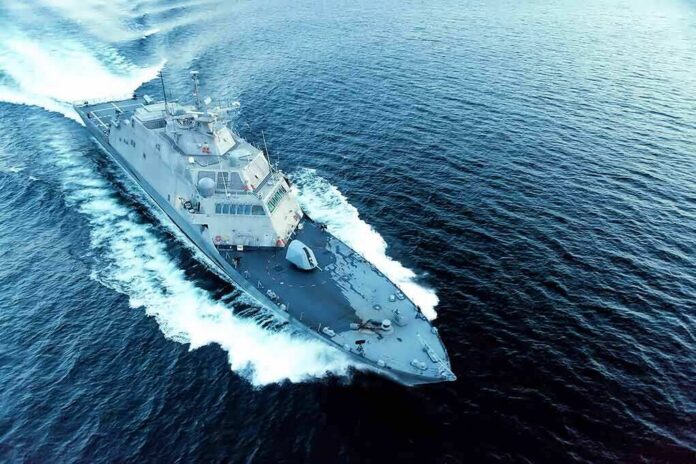
U.S. Central Command stated that American forces disabled or destroyed three Iranian oil tankers after Iran launched ballistic missiles at two U.S. Navy ships, which evaded the attacks without damage. Command leaders framed the action as necessary self-defense and part of a broader effort to impose costs on Iran for targeting commercial vessels and U.S. assets in and around the Strait of Hormuz. The Pentagon has also reported waves of strikes hitting more than 80 Iranian-linked targets in recent days.
Officials described a focused goal: reduce Iran’s ability to threaten shipping through the narrow waterway that carries a big share of the world’s oil. U.S. statements pointed to strikes on coastal radar, fast-attack boats, and air defenses that could be used to menace tankers and escorts. The message signals both deterrence and control. Washington says it is not seeking a wider war, but it will strike again if Iran targets U.S. ships or commerce moving through the strait.
How Tehran Frames the Escalation
Iran’s Foreign Ministry called the tanker strikes “aggressive actions” that violate international law and a fragile April ceasefire, and warned it will use all means to answer future attacks. Iranian accounts, carried by regional outlets, say a U.S. air-launched missile damaged an Iranian tanker’s engine room near the Strait of Hormuz and that Iranian forces then hit U.S. vessels in retaliation. These claims challenge the U.S. self-defense framing, but most reporting of them rests on Iran’s official statements rather than independent verification.
Competing narratives are common in this corridor. Both sides often rush out statements after fast-moving clashes at sea. Independent proof takes time, if it comes at all. During prior flare-ups, arguments centered on whether an attack met the legal bar for self-defense and if the response was necessary and proportionate under international law. Analysts warn that early claims can cement before facts are fully tested in public.
Why The Strait of Hormuz Keeps Pulling the World In
The Strait of Hormuz is a narrow chokepoint where even short disruptions can rattle markets and raise shipping risks. Past studies show Iran can harass traffic and raise costs, even if it cannot shut the strait for long. Recent reports logged multiple tanker incidents near the waterway, adding pressure on navies and insurers and raising the chance that a small clash turns into a wider crisis if misread or mishandled at sea.
For Americans at home, this fight hits core worries from both left and right. People see a pattern where powerful actors trade blows while regular families pay more for energy and face more risk. They fear leaders will protect their own interests first, then explain it as “national security.” Clear goals, strict limits, and public proof matter here. If Washington claims self-defense, it must show how each strike keeps ships safe and prevents a longer, costlier war.
Sources:
facebook.com, reuters.com, defence-blog.com, foxnews.com, axios.com, kurdistan24.net, aljazeera.com, moneycontrol.com