Trump’s new Cuba push is less about diplomacy than coercive pressure, and it raises the same old question: who actually pays when Washington tries to squeeze Havana into changing its behavior?
Quick Take
- The White House says the sanctions target repression in Cuba and threats to United States national security and foreign policy.[6]
- The order expands pressure beyond Cuba itself by threatening foreign banks and companies that do business with sanctioned Cuban entities.[4][6]
- The policy includes secondary sanctions, which can punish non-United States financial institutions for facilitating significant transactions.[4][6]
- Supporters call the measures a necessary lever against the Cuban government, while critics warn they will deepen civilian hardship.[1][3][8]
Washington Widens the Pressure Campaign
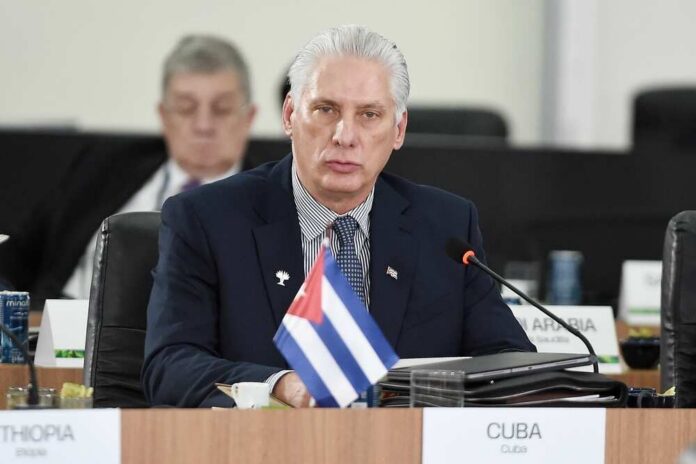
President Donald Trump’s latest Cuba order broadens sanctions against Cuban officials, key sectors of the economy, and foreign firms tied to the island’s government.[1][2][6] The White House framed the move as a response to repression in Cuba and to threats against United States national security and foreign policy.[6] Reporting on the order says it reaches into energy, defense, metals, mining, financial services, and security, making it one of the most expansive Cuba sanctions packages in years.[1][3][4]
The most consequential part is the reach beyond Cuba’s borders. The order authorizes penalties against foreign persons who materially assist the government of Cuba and gives the Treasury Department authority to act against foreign financial institutions that process significant transactions for blocked parties.[4][6] That is classic secondary sanctions policy: pressure the middlemen until banks and companies decide Cuba is not worth the risk. It is a legal and financial squeeze, not just a symbolic warning.
Why the Administration Says It Is Doing This
Trump’s team is presenting the sanctions as a tool to force reform, weaken the Cuban state, and cut off support for entities tied to repression or corruption.[2][4][6] The order names categories of conduct that can trigger sanctions, including operating in sectors controlled by the Cuban government, providing material support, or being complicit in serious human rights abuse.[4][6] In that framing, the goal is to isolate the ruling system rather than reward it with outside money, credit, or legitimacy.
That argument fits a long pattern in United States Cuba policy. The State Department says the embargo has existed since 1962, and Trump has already tightened Cuba policy in earlier phases of his presidency.[8] Supporters of the new order argue that decades of softer engagement did not produce openness, so stronger economic pressure is the remaining lever.[1][2]The administration is betting that financial pain will change political behavior faster than dialogue has.
Why Critics Say the Strategy Can Backfire
Critics of Cuba sanctions have long argued that broad economic pressure often lands on ordinary people first, especially in a country already struggling with shortages and weak infrastructure.[8] Reporting on the new measures says foreign banks and companies now face elevated risks if they continue business with Cuba, which can make trade, payments, and financing even harder for the island’s economy to sustain.[3][4][8] That creates a real possibility that the sanctions deepen hardship before any political effect appears.
🇺🇸🇨🇺⚡- "For decades, Cuba has been the world capital for radical left-wing terrorism. The regime in Havana has recruited, trained and backed violent Marxist and third-worldist movements across our hemisphere and beyond. Today, we are targeting the network that enables and funds… https://t.co/qbYnc6ZhBd
— Rerum Novarum // Intel, Breaking News, and Alerts (@officialrnintel) June 4, 2026
The political divide around Cuba policy is familiar, but the frustration underneath it is wider than ideology. On one side are voters who want hard pressure on authoritarian governments and their enablers; on the other are people who see another example of powerful institutions using ordinary citizens as leverage in a geopolitical fight.[1][3][8] The policy may reflect Trump’s promise to hit hostile regimes harder, but it also shows how often Washington reaches for economic force when a clean diplomatic solution is unavailable.
Sources:
[1] YouTube – Trump wants Cuba to be a ‘nicely run country’
[2] Web – Trump expands Cuba sanctions to target foreign firms tied to military
[3] Web – President Trump Issues New Executive Order Significantly …
[4] Web – How Companies and Banks Should Approach the Evolving U.S. …
[6] Web – Imposing Sanctions on Those Responsible for Repression in Cuba …
[8] Web – Trump’s ‘Maximum Pressure’ Campaign on Cuba, Explained