
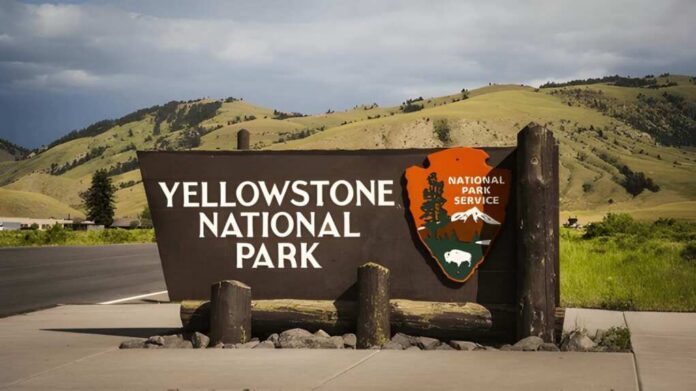
A Yellowstone bison hurling a grandfather eight feet into the air at a family campground is not just a wild animal story — it is a sharp reminder of how real dangers and shaky information meet in today’s media and government landscape.
Story Snapshot
- A viral video and social posts claim a bison launched a man eight feet at Yellowstone’s Bridge Bay Campground.
- Local outlet Cowboy State Daily reports a seriously injured tourist and cites a named eyewitness at Bridge Bay.
- The National Park Service has only issued one 2026 bison news release so far, about a 12-year-old hurt near Mud Volcano.
- The gap between fast viral claims and slow official reports feeds public distrust of both media and government.
What We Know About The Bridge Bay Campground Bison Incident
Cowboy State Daily reports that on Friday evening, a man walking with his grandson at Bridge Bay Campground was thrown about eight feet into the air by an angry bull bison. The story identifies professional photographer Mike MacLeod from Bozeman, Montana, as an eyewitness. MacLeod says the bison hooked the man with its left horn and flipped him, leaving him in severe pain with significant hip and leg injuries. Emergency medical services from Yellowstone arrived quickly and took over care at the scene.
MacLeod describes the bison as entering the campground already agitated, suggesting the animal was on edge before any close human contact. He emphasizes that, unlike many past incidents, he does not blame the victim or his grandson and says they were not acting recklessly. According to the report, later contact with the grandson confirmed the grandfather had “pretty significant injuries” and was still in serious condition. Cowboy State Daily also notes this would be Yellowstone’s second human–bison incident in 2026, after a June child injury.
Official Records: One Confirmed 2026 Bison Injury So Far
So far, the only formal news release from the National Park Service for a 2026 bison injury describes a June 26 incident near Mud Volcano, just north of Fishing Bridge. That release states a 12-year-old visitor was injured by a bison around 9:15 a.m. and taken by emergency medical staff to a nearby hospital. The park did not share the child’s gender or details of the injuries. It did note the incident remained under investigation and stressed long-standing rules about staying at least 25 yards from large wildlife.
Several national and regional outlets, including ABC News and Cowboy State Daily, repeat the National Park Service description of that June 26 case. They highlight key points: the location near Mud Volcano, the age of the visitor, the hospital transport, and the fact that bison have injured more people in Yellowstone than any other animal. These stories also echo park warnings that bison can run three times faster than humans and will defend their space when they feel threatened. None of these official or national reports yet mention the Bridge Bay campground incident.
Why The Information Gap Fuels Distrust
Many Americans on both the right and the left already feel the federal government and major media outlets hide or spin information instead of telling the full truth. When a local outlet reports a dramatic injury with names, quotes, and a clear location, but federal officials have not yet issued a matching statement, that gap feeds those fears. People see viral campground video posts and read eyewitness accounts, then notice silence or delay from the agencies they expect to inform them and keep them safe.
This disconnect lands in a wider culture where conservatives often distrust “elite media” and liberals often blame partisan sites for spreading half-checked stories. In this case, the local reporting and social video suggest a serious, documented injury, yet the National Park Service’s public record still shows only one 2026 bison incident, the June child case. Until officials update that record or clearly deny the campground story, citizens are left to sort through conflicting signals themselves. That kind of uncertainty deepens the sense that institutions answer to themselves, not to ordinary people.
Wild Animals, Human Behavior, And Media Hype
Behind the media drama is a simple, harsh reality: bison are powerful, fast, and unpredictable. The National Park Service and multiple outlets repeat that bison have injured more visitors in Yellowstone than any other animal and warn that people must stay at least 25 yards away. A study of bison encounters between 2000 and 2015 found 25 injuries, with behavior like approaching too closely often playing a role. Even when visitors follow the rules, as MacLeod believes happened at Bridge Bay, a rutting bull can suddenly turn a quiet walk into a medical emergency.
🤯 DRAMATIC: Yellowstone Bison Chases Grandfather and Hurls Him 8 Feet Into the Air
A tourist was seriously injured after an agitated bull bison charged through Yellowstone’s Bridge Bay Campground, pursued him between trees and hooked him near the hip before launching him… pic.twitter.com/v12rd80ZYv
— Jewish Breaking News (@JBreakingNews) July 12, 2026
At the same time, modern media turns every attack clip into potential viral content. Social platforms boost shocking wildlife videos because they draw clicks and ad views, not because they are fully checked. That creates a race: local reporters and online accounts rush to share raw footage and eyewitness quotes, while federal agencies move more slowly to verify facts and craft careful statements. Ordinary citizens, already worn down by inflation, culture fights, and broken promises, see this gap and wonder whose version of events they can trust.
What This Story Says About Power And Accountability
This Yellowstone case is not just about one man and one bison. It reflects a deeper question many Americans now ask: when something serious happens, who tells the story, and who decides what counts as “real”? When only one 2026 bison injury appears on the official books, but credible local reporting and video show another, people may suspect that agencies prefer tidy statistics over messy truth. That suspicion fits long-standing worries that big institutions care more about image, liability, and control than about straight answers.
For citizens who still believe in personal responsibility and in the nation’s founding ideals, the stakes are clear. They want park visitors to respect wildlife and follow safety rules. They also want government and media to respect them by sharing full, timely information about real dangers on public land. When those institutions fall short, every campground attack, every delayed press release, and every viral video becomes another small crack in public trust. Those cracks matter, because trust is what holds a free society together.
Sources:
abcnews.com, foxweather.com, youtube.com, nps.gov, reddit.com, facebook.com