Thousands of poison control calls are exposing a simple but dangerous problem: people are taking semaglutide wrong, and some are ending up in the hospital.
Quick Take
- Poison control centers logged nearly 3,000 semaglutide calls from January through November, a roughly 15-fold jump from 2019.
- In 94 percent of those calls, semaglutide was the only substance involved, which points to isolated dosing mistakes.
- Federal officials said compounded semaglutide has caused hospital-level overdoses when patients or providers misread doses.
- The core risk is confusion over milliliters, milligrams, units, and weekly timing, not just the drug itself.
Calls Keep Rising as Use Spreads
America’s Poison Centers said its poison centers received nearly 3,000 semaglutide-related calls from January through November, far above the number seen in 2019. The trend tracks the rapid rise of Ozempic and Wegovy use for diabetes and weight loss. That matters because every new wave of demand brings more people into a drug routine that is easy to misunderstand, especially when injections replace pills and the dose changes over time.
Dr. Kait Brown of America’s Poison Centers said most calls were tied to dosing errors, not mixed-drug poisonings. In the same reporting, poison experts said some people injected a double dose, took the wrong dose, or used the medicine more often than directed. The fact that 94 percent of calls involved semaglutide alone suggests many cases started with a basic mistake that snowballed into a medical scare.
Where the Mistakes Happen
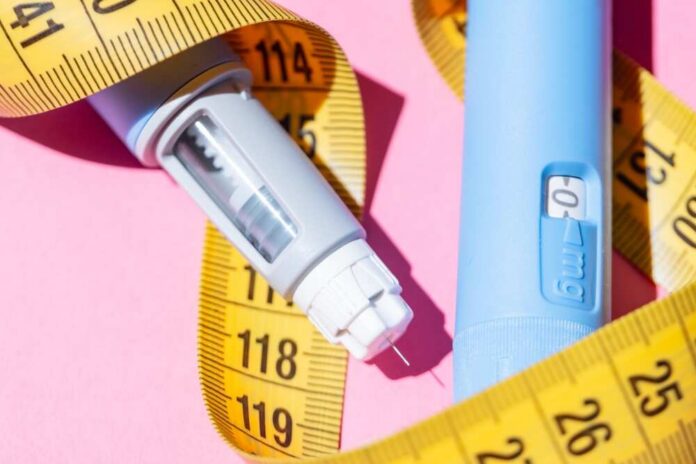
The clearest pattern is confusion at the point of injection. Poison specialists described patients taking 2 milligrams instead of 0.1 milligram, 2.4 milligrams instead of 0.25 milligram, or dosing daily instead of weekly. Other reports from poison centers said patients used an entire month’s supply in just a few days. These errors are not subtle. They show how a drug with a weekly schedule can become dangerous when users lose track of the amount or timing.
The problem gets worse with compounded semaglutide, which often comes in multiple-dose vials that must be measured by hand. Federal officials warned that patients have confused milliliters, milligrams, and units, while health care providers have also miscalculated doses. The Food and Drug Administration said some overdose reports involved five to 20 times the intended dose. That is why simple training on how to draw the dose can matter as much as the prescription itself.
What Symptoms and Treatment Look Like
Semaglutide overdose symptoms often look like a severe version of the drug’s normal side effects. Poison experts said the warning signs can include intense nausea, vomiting, diarrhea, abdominal pain, dehydration, low blood sugar, and, more rarely, pancreatitis. The Food and Drug Administration said severe nausea, severe vomiting, and severe low blood sugar can follow overdose. Because semaglutide lasts a long time in the body, symptoms may take time to fade.
There is no antidote for semaglutide overdose, so treatment is supportive rather than specific. That usually means fluids, anti-nausea medicine, and observation until symptoms improve. For families, that creates a familiar American problem: a high-demand drug enters the market, education lags behind use, and the cost of confusion lands on emergency rooms, poison centers, and patients who thought they were following directions.
Why the Debate Matters
The public fight over Ozempic and Wegovy now runs along a basic fault line. One side points to dosing mistakes in general semaglutide use. The other side points to compounded products, where the Food and Drug Administration has documented hospitalizations tied to measurement errors. Both can be true at once. The larger lesson is that fast-moving drug trends often outpace clear instructions, and ordinary people pay for that gap when the dose is wrong.
That is also why the story resonates beyond one brand name. Conservatives can see a system where health care guidance feels sloppy and accountability is blurred. Liberals can see patients pushed into risky self-management while drug access and education remain uneven. The shared concern is the same: when basic safeguards fail, consumers are left to sort out the difference between a medicine and a mistake, often after they have already been hurt.
Sources:
sciencedaily.com, facebook.com, poison.org