Explosions and fires lit up Iran’s Bandar Abbas overnight after the United States said it struck military targets in response to attacks on ships in the Strait of Hormuz.
Story Highlights
- The United States said it hit Iranian air defense, coastal surveillance, and anti-ship sites after three merchant ships were struck.
- Iranian media and videos showed blasts near Bandar Abbas and nearby coastal areas.
- The United States framed the strikes as protecting commercial shipping crewed by civilians.
- The strikes heightened tensions around the Strait of Hormuz, a chokepoint that carries roughly one-fifth of global seaborne crude oil.
What Triggered The Overnight Strikes
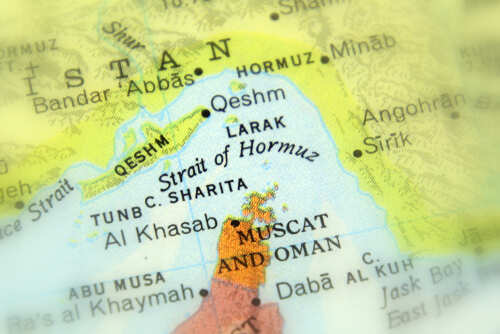
United States Central Command said American forces launched strikes hours after three merchant ships were hit in the Strait of Hormuz. The command said the mission targeted air defense systems, coastal surveillance nodes, and anti-ship missile launch sites used to threaten civilian crews. The Strait of Hormuz sits between Iran and Oman and is one of the world’s most sensitive sea lanes. The timing linked the attacks on shipping to the strikes, which Washington cast as a direct response.
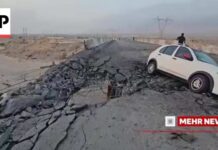
Iranian media reported explosions near Bandar Abbas, with videos showing flames and smoke. Posts also described blasts in Sirik, Jask, and Qeshm along Iran’s southern coast. The reported strike locations are near areas where Iran maintains military and maritime facilities along the Gulf coast. Reporting varied on the exact sites hit, which is common after nighttime strikes. Officials on both sides often release limited details first, then add more after damage checks and security reviews.
Why The Strait Of Hormuz Drives Global Risk
The Strait of Hormuz carries roughly 20 percent of global seaborne oil, so even brief shocks can ripple into fuel prices and shipping insurance. Past crises here have pushed up costs for families and small businesses far from the Gulf. United States leaders say they aim to keep sea lanes open. Iranian leaders say they will not accept threats on their coast and want leverage over traffic that runs past their shores. Both incentives keep tensions high.
Analysts describe a pattern of limited blows that test red lines without tipping into full war. That pattern has repeated since the late 1980s. Each side claims self-defense, builds a case for its public, and seeks gains without losing control. Defense suppliers, oil traders, and state-linked industries often profit when fear rises, which can dull pressure to de-escalate. That cycle feeds public cynicism toward elites and institutions on both sides of the aisle.
How Officials On Each Side Framed The Action
United States Central Command said the goal was to “impose heavy costs” on those who attack civilian crews and to reduce Iran’s ability to target ships. The statement is consistent with longstanding U.S. policy emphasizing freedom of navigation and the protection of commercial shipping. It also aligns with a domestic promise to protect trade and keep fuel prices stable. The Trump administration has paired military action with renewed oil sanctions, which are meant to limit Iran’s revenue from energy sales.
Iranian outlets reported incoming strikes along the coast and framed them as violations tied to earlier clashes. State media highlighted explosions and civil defense alerts. Separate coverage cited Iranian claims of counterstrikes on United States-linked sites in the Gulf, a point that remains under review and often shifts as facts firm up. Early information in these crises is often incomplete. Details tend to settle after satellite images and port and insurance claims make the damage clearer.
What This Means For Americans Watching Prices And Policy
Energy markets watch the Strait of Hormuz round the clock. Shipping slowdowns here can raise fuel costs at home within days. Families already stretched by inflation fear another jump at the pump. Small firms worry about freight rates and delivery times. Higher energy prices and shipping disruptions could affect consumers, businesses, and freight costs if tensions continue to escalate. They want a plan that keeps trade moving and avoids a wider war.
Large explosions and fires lit up the night sky over Bandar Abbas, Iran's main southern port on the Strait of Hormuz, after U.S. forces carried out strikes on sites linked to Iran's Revolutionary Guard Corps.
The U.S. military said the operation targeted air defense systems,… pic.twitter.com/xJih2M234J
— Plugtvkenya (@Plugtv_kenya) July 8, 2026
Congress will face pressure to explain goals, limits, and metrics for success. Clear aims and honest timelines help prevent mission creep. Transparency on costs and risks can also rebuild trust with a public that sees Washington and Tehran both play to their base. The core test is simple: can leaders safeguard ships and crews, uphold the law, and avoid steps that make life harder for regular people? The answer depends on restraint, clear red lines, and steady diplomacy alongside any force.
Sources:
youtube.com, vpm.org, instagram.com, csis.org