The Postal Service moved one step closer to a rule that would tie mail ballot delivery to state voter lists and ballot barcodes, putting federal control over election mail back at the center of a fierce fight.
Quick Take
- The United States Postal Service proposed new rules for federal election mail.
- The rule would require states to send voter names, addresses, and ballot barcode data before mailing federal ballots.
- A federal appeals court temporarily allowed the Postal Service to keep moving forward while litigation continues.
- Supporters say the change improves election integrity, while critics say it gives Washington too much power over state elections.
What the Postal Service proposed
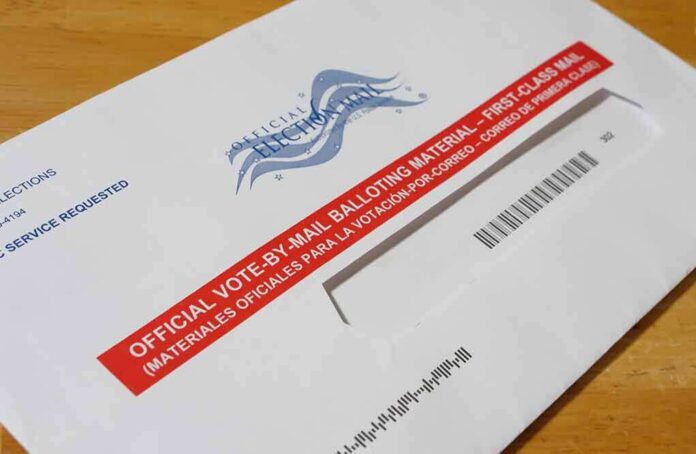
The proposed rule would require state election officials to register with a new Postal Service portal and submit voter lists before federal mail ballots go out. The lists would include each voter’s name and address, along with unique Intelligent Mail barcodes tied to both the outgoing and return ballot envelopes. Reuters reported that the Postal Service said the barcodes would help with federal compliance and law enforcement work.
The rule applies to federal elections, not primary elections, according to the reporting and the proposal summaries. It also adds a new layer of tracking to a process that states usually run themselves. That shift is why supporters call it a security measure and opponents call it federal gatekeeping. The dispute lands in a country already split over mail voting, ballot delays, and who should control election rules.
Court action keeps the rule alive for now
A federal judge had earlier blocked the Postal Service’s restrictions on mail voting, saying they violated a settlement tied to faster ballot handling. On July 17, the District of Columbia Circuit Court of Appeals temporarily paused that ruling and let the Postal Service move ahead while the case continues. The decision does not end the legal fight, but it does keep the proposal alive during a high-stakes election year.
The timing matters because several states, especially those that rely heavily on mail voting, would have to change their ballot handling systems fast if the rule survives. The Postal Service has said the new standards would help it verify ballot mailings before acceptance. Critics argue that kind of screening puts a federal agency between voters and their ballots in a way that could delay or block lawful votes.
Why the fight reaches beyond one voting rule
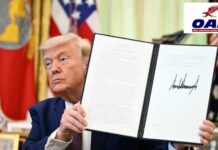
The broader dispute is about power as much as process. The White House executive order behind the proposal said the federal government has a duty to protect election integrity, while outside groups have argued that only states and Congress can set these rules. That clash has made the Postal Service a flash point in the larger battle over how far Washington can go in reshaping elections through agency rulemaking.
🚨 The D.C. Circuit has temporarily allowed the U.S. Postal Service to move forward with its proposed election-mail rule requiring states to submit voter lists and serialized ballot barcodes before USPS will mail federal ballots, staying a district judge's order. pic.twitter.com/Eu2JLKrJ4C
— Bruce Forman (@Brucenewsreview) July 18, 2026
The argument also cuts across party lines in a practical way. Many voters want stronger safeguards, clearer tracking, and faster answers when ballots move through the mail, while others worry that new federal checks could create more confusion and fewer valid ballots counted on time. The Postal Service now sits at the center of that fight, with one side calling the proposal overdue and the other calling it a threat to state control and voter access.
Sources:
nypost.com, reuters.com, newsmax.com, democracydocket.com, investing.com, njslom.org, wltreport.com, votingrightslab.org, wpr.org, facebook.com, brennancenter.org, nonprofitvote.org, 2021-2025.state.gov