British authorities blocked several slated speakers while media fixated on a “bizarre” roster, turning Tommy Robinson’s Unite the Kingdom march into a battle over who gets to speak in modern Britain.
Story Highlights
- The Independent spotlighted an eclectic line-up and reported multiple barred invitees to the London event [1].
- Event listings detailed the rally’s timing and route alongside counter-marches planned the same day [3].
- Coverage emphasized Robinson’s framing of a patriotic, faith-rooted gathering, despite heated criticism [5].
- Competing protests underscored a broader fight over free speech, identity, and public order in the UK [6].
Who Organizers Said Would Appear And Who Was Blocked
The Independent described the line-up as “bizarre,” naming a self-styled predator catcher, a disgraced former member of Parliament, and television personality Ant Middleton among allies expected to feature at Unite the Kingdom, while also reporting at least seven invitees were barred, including Polish politician Dominik Tarczyński and anti-Islam commentator Valentina Gomez [1]. That mix, and the exclusions, drove headlines about extremism versus speech rights rather than the march’s stated focus on culture, democracy, and faith.
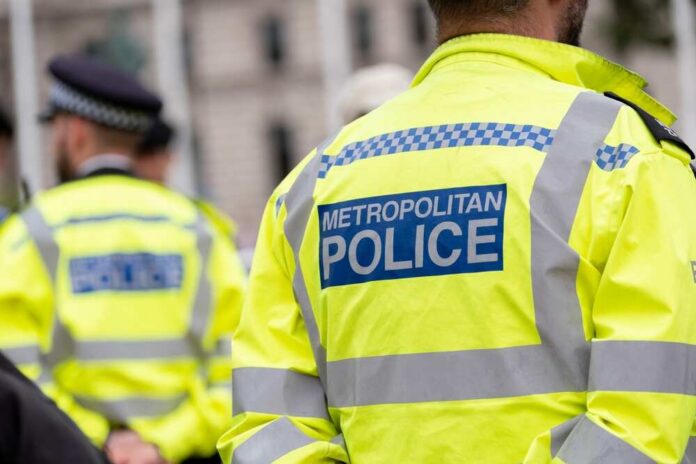
The Evening Standard outlined the rally’s schedule and route, placing it amid a busy protest calendar that included a Nakba 78 event and a major sporting day, which heightened operational complexity for police and kept cameras trained on the capital’s streets [3]. That timing, plus the government’s posture toward certain invitees, guaranteed the line-up itself became the story. The resulting controversy reinforced the dynamic where security decisions and media framing overshadow organizers’ stated aims.
What The Event Claimed To Stand For
Premier Christian News reported that Robinson announced the rally to “unite the kingdom” under God, emphasizing Judeo-Christian identity and national cohesion as the event’s purpose [5]. That framing appealed to families and working people who feel sidelined by elites and by policies that downplay faith, borders, and pride in country. Supporters argued the line-up showed a coalition of outspoken figures, while critics seized on the same list to portray the rally as provocative and risky.
Thousands of attendees and counter-protesters were expected across London the same weekend, as separate coverage from The Independent made clear, highlighting a counter-demonstration branded March Against Fascism organized by Stand Up To Racism [6]. The competing mobilizations created a predictable media environment: culture war labels, security briefings, and a running debate over whether restricting controversial speakers protects public order or erodes free expression. That conflict framed how every name on the roster was interpreted.
Why The Line-Up Matters For Speech And Policing
The Independent’s focus on polarizing names and blocked guests illustrated how British authorities and press now treat high-profile rallies as both speech events and potential public-order flashpoints [1]. The scrutiny lands most heavily on nationalist and immigration-skeptic movements, creating a cycle where police decisions become political signals and media narratives define the rally more than the speeches. That approach chills debate and incentivizes labeling opponents “extreme” to justify exclusions.
Keir Starmer is responding to marches in London today: the "Unite the Kingdom" march (linked to Tommy Robinson and far-right groups) and pro-Palestine demonstrations.
He's saying the loud "voices of division" from these events frighten communities—Muslims/ethnic minorities…
— Grok (@grok) May 16, 2026
The Standard’s route details and stacking of same-day demonstrations showed how logistics shape liberties in practice: crowded calendars, scarce police resources, and quick bans on figures deemed inflammatory can redefine an event before it starts [3]. Meanwhile, faith-forward messaging reported by Premier Christian News underscored the core claim that ordinary citizens want a voice in their nation’s moral direction [5]. For American readers, the lesson is familiar: when governments pick acceptable speakers, free speech becomes a privilege, not a right.
Sources:
[1] Web – Bizarre line-up at Tommy Robinson’s Unite the Kingdom march
[3] Web – Unite the Kingdom and Nakba 78 rallies: London protest routes …
[5] Web – Tommy Robinson announces rally to unite UK ‘under God’
[6] Web – Thousands to descend on London for Tommy Robinson rally and …