Defense Secretary Pete Hegseth told senators the Trump administration stands ready to escalate the already-costly Iran war, even as lawmakers from both parties demand answers on how a conflict that has burned through $29 billion in just nine weeks can continue without congressional authorization or a clear exit strategy.
Story Snapshot
- Hegseth testified that escalation plans exist for the Iran war, now costing $29 billion after nine weeks of operations
- Lawmakers challenged the administration over War Powers Resolution compliance and absence of supplemental funding requests
- Democrats blasted the conflict as “unprovoked” and “illegal,” while demanding transparency on a $1.5 trillion Pentagon budget
- Bipartisan frustration grows as military officials acknowledge critical munitions shortages amid an undeclared war
War Costs Spiral Without Congressional Authorization
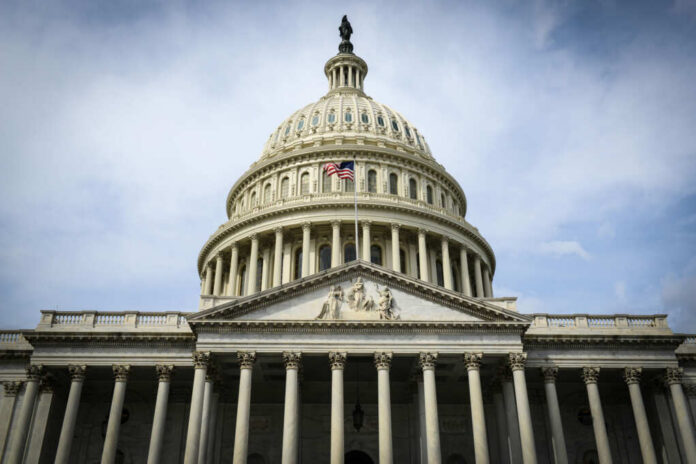
Defense Secretary Pete Hegseth and Joint Chiefs Chairman Gen. Dan Caine appeared before the Senate Appropriations Defense Subcommittee on May 12, 2026, defending a massive $1.5 trillion fiscal year 2027 Pentagon budget request while fielding pointed questions about the Iran conflict. Pentagon Comptroller Jules Hurst III confirmed war costs had climbed to approximately $29 billion, up from $25 billion estimates provided just days earlier during House testimony. The rapid cost escalation, combined with no formal war declaration or Authorization for Use of Military Force from Congress, has sparked bipartisan concern about fiscal responsibility and constitutional oversight.
Constitutional Clock Ticking on Presidential War Powers
The War Powers Resolution of 1973 requires presidents to notify Congress within 48 hours of committing armed forces and mandates withdrawal within 60 days absent congressional authorization. With the Iran conflict entering its ninth week in early March 2026, lawmakers pressed Hegseth on whether the administration would comply with the statutory deadline. Democrats warned they would demand troop drawdowns if Speaker Johnson refuses to bring an authorization vote to the House floor. This constitutional tension mirrors past conflicts like Libya in 2011, where administrations stretched legal interpretations to maintain operations without explicit congressional approval, undermining the checks and balances our founders established to prevent executive overreach.
Pentagon Faces Critical Munitions Shortages
Beyond constitutional questions, Hegseth acknowledged “significant gaps” in munitions stockpiles and warfighter readiness, a troubling admission given the administration’s stated willingness to escalate further. Senators demanded specifics on what weapons systems and supplies face shortages, but received vague assurances that officials would “get back” with detailed answers. The disconnect between aggressive military posturing and admitted resource constraints raises fundamental questions about strategic planning. If the Pentagon cannot adequately supply current operations at $29 billion, how can taxpayers trust projections for escalation? This pattern of overpromising while underdelivering has become all too familiar to Americans tired of endless Middle East entanglements that drain resources from domestic priorities.
Bipartisan Frustration Boils Over in Heated Exchanges
The hearing devolved into personal confrontations, with Hegseth dismissing Democratic critics as “defeatists” while defending the administration’s approach. His ongoing feud with Senator Mark Kelly of Arizona, whom he has accused of leaking classified information, added fuel to partisan tensions. Yet beneath the political theater lies a deeper frustration shared by lawmakers across the ideological spectrum: the executive branch launched a major military operation costing billions without requesting supplemental appropriations or seeking proper authorization. This represents exactly the kind of unaccountable governance that fuels distrust in Washington, where officials prioritize political posturing over following constitutional processes that protect taxpayers and service members from reckless adventurism.
The Trump administration’s vague escalation threats, combined with refusal to submit detailed cost projections or timeline estimates, suggest officials hope to fund an expanding conflict through baseline budget increases rather than transparent supplemental requests subject to scrutiny. This budgetary sleight-of-hand allows the Pentagon to avoid uncomfortable questions about total costs, mission objectives, and exit strategies. As the War Powers clock continues ticking and munitions stockpiles dwindle, the American people deserve clear answers about whether their sons and daughters will be sent deeper into another Middle East quagmire, or whether cooler heads will prevail and demand accountability before billions more vanish into an undefined mission.