

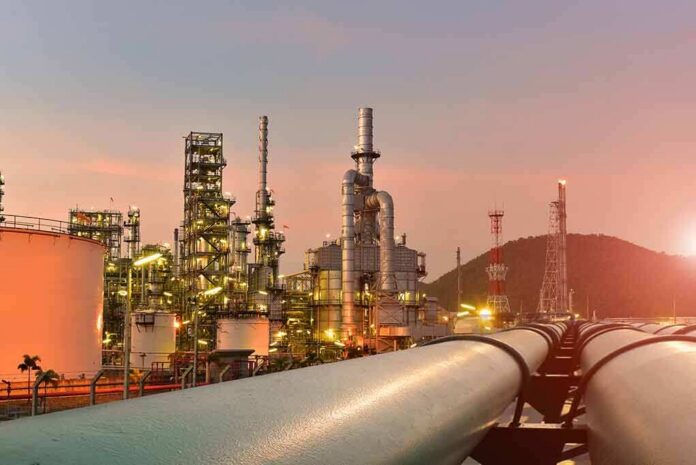
Despite talk of an “energy truce,” Ukraine and Russia kept hitting energy sites, and reports now point to a strike on Moscow’s Kapotnya refinery.
Story Highlights
- President Trump said both sides agreed to stop hitting energy targets; Kyiv and Moscow said no deal was signed.
- Ukraine acknowledged other refinery strikes after Trump’s claim, underscoring no binding halt existed.
- Reports claim Moscow’s Kapotnya refinery was struck, but independent confirmation remains thin.
- Energy attacks are reshaping fuel supplies and global prices as both sides seek leverage.
What Was Claimed And What Is Confirmed
President Trump said Ukraine and Russia agreed to stop attacks on each other’s energy sites. Kyiv and the Kremlin welcomed the idea but described it as a proposal rather than a signed deal. Days later, Ukraine said it struck Russia’s Syzran refinery, showing that no binding “halt” was in place. A partisan outlet then claimed Ukraine hit the Kapotnya refinery in Moscow, but that specific incident lacks the same level of independent confirmation.
Ukrainian President Volodymyr Zelenskyy said Ukraine would pause such strikes only if partners secured a real commitment from Russia to stop hitting Ukraine’s critical infrastructure. That condition signals why attacks continued after Trump’s statement. It also frames the alleged Kapotnya strike as part of a wider pressure campaign, not a sudden break with an established, verifiable truce. The record shows a live battlefield logic, not a settled ceasefire on energy targets.
Energy Strikes And Their Strategic Purpose
Reuters and other outlets have documented Ukraine’s expanded campaign against Russian refineries this year, often forcing production cuts and outages. Those hits reduce fuel supplies, strain logistics, and squeeze revenue that funds Russia’s war effort. Russia has also struck fuel and power sites in Ukraine, which keeps both sides locked in tit-for-tat pressure on the other’s energy backbone. This cycle explains why a proposal without guarantees has not stopped strikes on either side.
The alleged Kapotnya incident, if verified, would matter because it targets the capital’s energy flow and signals reach. But the strongest on-the-record facts remain these: Trump announced a proposed halt; Kyiv and Moscow did not confirm a binding agreement; Ukraine admitted another refinery strike after that announcement; and energy sites remain active targets. Any single refinery claim should be weighed against that clear, documented pattern before drawing broader conclusions.
Why Americans Should Care: Prices, Policy, And Trust
Global fuel markets react when refineries go offline. Reuters reported that half of Russia’s top diesel refineries cut or halted output in mid-September after drone strikes. That puts stress on diesel and gasoline supplies and can keep prices high far from the front lines. Families feel it at the pump. Small trucking firms face higher costs. When leaders announce a deal, and yet strikes continue, people lose trust in big promises that do not match events on the ground.
In the single largest coordinated strike on Russian soil to date, Ukrainian forces launched a massive long-range barrage involving over 1,600 drones and cruise systems across Russia, with 450 directed at the capital region. Multiple impacts struck Moscow’s vital Kapotnya Oil… pic.twitter.com/XgLxFbJ9P7
— War Reports (@WarReportsLive) September 20, 2026
Both the right and the left see a pattern: leaders issue statements, bureaucracies hedge, and complex wars grind on. Voters hear pledges about calm markets and lower prices, then see spikes and shortages. This gap feeds the view that powerful interests make the rules while citizens pay the bill. Clear, verifiable agreements with public terms and accountability could rebuild confidence. Until then, watch deeds, not posts. The strike tempo and refinery outages are the scoreboard.
Sources:
thegatewaypundit.com, reuters.com, cnn.com, aljazeera.com, mid-day.com, newsukraine.rbc.ua, meduza.io