President Trump’s decisive military operation in Venezuela signals a significant shift in US foreign policy, putting America back in the driver’s seat for global influence.
Story Highlights
- Operation Absolute Resolve leads to the capture of Venezuelan President Nicolás Maduro.
- The US plans a temporary occupation to stabilize and transition Venezuela.
- Trump’s strategy emphasizes US control over Venezuelan oil assets.
- Critics decry the operation as an unconstitutional act of aggression.
Operation Absolute Resolve and Its Implications
On January 3, 2026, the United States carried out a series of airstrikes in Venezuela under Operation Absolute Resolve. These strikes targeted key military sites in Caracas and other strategic locations, leading to the swift capture of Venezuelan President Nicolás Maduro and his wife. The operation, approved by President Trump, marks a bold move to counteract what the administration describes as Maduro’s “narcoterrorism.” The US aims to temporarily occupy the country to ensure a “safe, proper, and judicious transition.”
The operation’s primary objective is to seize control of Venezuelan oil assets, a move that aligns with Trump’s “America First” policy. By securing these resources, the US aims to stabilize the oil market and ensure energy security for American interests. However, the decision to bypass congressional notification has sparked controversy, with critics arguing that this sets a dangerous precedent for executive overreach. The absence of congressional approval raises constitutional concerns, particularly regarding the separation of powers.
Historical Context and Strategic Interests
Tensions between the US and Venezuela have been simmering since Nicolás Maduro’s rise to power in 2013. His regime, marked by economic collapse and accusations of narcotrafficking, has faced sanctions and international condemnation. Trump’s administration has taken a hard stance, deploying military assets and imposing a naval quarantine on Venezuela. The current operation represents a significant escalation from past measures, highlighting the administration’s commitment to regime change and securing vital resources.
Historically, the US has not engaged in direct military action against Venezuela, making this operation a significant departure from previous strategies. The focus on regime change echoes past interventions in Iraq and Afghanistan, which have been criticized for their long-term consequences. The current situation raises questions about the potential for prolonged occupation and the risks of insurgency, as well as the humanitarian impact on Venezuelan civilians.
Reactions and Wider Implications
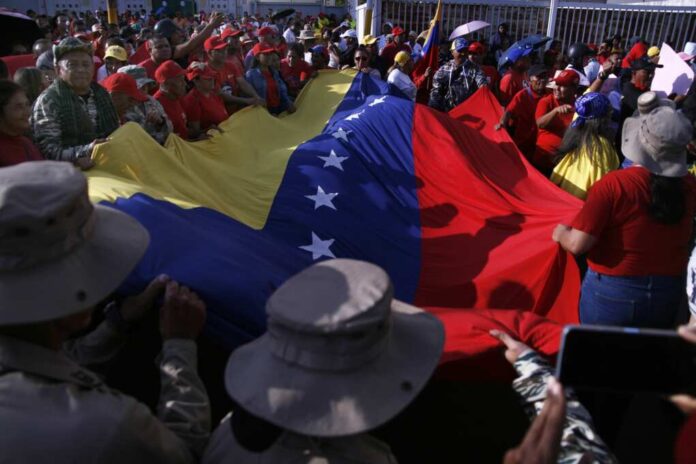
The reactions to Operation Absolute Resolve have been mixed. Supporters view it as a necessary step to combat narcoterrorism and to protect American interests. However, progressive groups and international critics have condemned the operation as an illegal invasion. They argue that it undermines international norms and could lead to further destabilization in the region.
As the situation unfolds, the US faces the challenge of managing the occupation and ensuring a stable transition of power in Venezuela. The administration’s actions will likely reshape geopolitical dynamics in the region, impacting US relations with countries such as Russia, which has historically supported Maduro’s regime. The success or failure of this operation could influence future US foreign policy decisions and the global perception of American military power.
The unfolding developments in Venezuela underscore the complexities of balancing national security interests with respect for international law and democratic principles. As the world watches closely, the Trump administration’s handling of this crisis will be a defining moment in its foreign policy legacy.
Sources:
2026 United States Strikes in Venezuela
MoveOn Statement on Trump’s Unauthorized and Unconstitutional Invasion of Venezuela