Spain’s prime minister set a November 29 snap election after Parliament blocked his housing measures, turning a policy defeat into a national vote.
Story Snapshot
- Prime Minister Pedro Sánchez called an early election for November 29 after a housing bill defeat.
- The announcement came from Moncloa Palace, with a decree to dissolve Parliament expected after a cabinet meeting.
- Sánchez framed the vote as a choice over Spain’s direction, citing social justice and environmental goals.
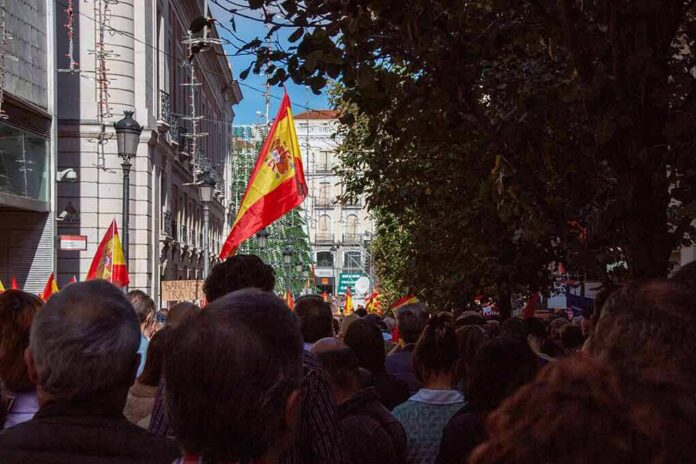
- The move follows mass anger over rents and evictions, which raised pressure on the minority government.
What Happened: Date Set And Reason Given
Prime Minister Pedro Sánchez announced an early general election for November 29 after lawmakers rejected his minority government’s housing measures. Reuters and other outlets reported the same date and trigger on the day of the decision, confirming the core facts across independent sources. The defeat came at the end of a tense week focused on rent spikes and evictions. The setback made routine governing harder and raised calls to let voters decide the next path.
Sánchez delivered the decision from Madrid’s Moncloa Palace after weekend talks with close advisers. Germany’s international broadcaster reported he would take the legal next steps through an extraordinary cabinet meeting, which would lead to a dissolution decree and formal publication in Spain’s official gazette. That process starts the election clock and sets the campaign period under Spanish law. The move is common in parliamentary systems when a minority government cannot pass key plans.
Housing Crisis As The Election Driver
Spain’s housing crisis has dominated public debate, with sharp rent increases and eviction fears fueling protests. Coverage describes two tenant-protection decrees as central to the government’s attempt to respond. Lawmakers rejected those measures, exposing the limits of Sánchez’s coalition and creating pressure for a reset through the ballot box. The defeat gave opposition parties a rallying point and made housing affordability a likely first-tier issue for the campaign.
Sánchez linked the vote to broader values in his remarks, casting it as a choice between openness, social justice, and environmental responsibility on one side, and what he called a “far-right wave” on the other. That frame seeks to pull the contest beyond a single policy fight and into a debate about Spain’s direction. It also sets a contrast with rivals from the center-right and right who opposed the housing packages in Parliament, arguing they were flawed or harmful to owners.
Why It Matters Beyond Spain
Spain’s snap election fits a pattern seen in other parliamentary democracies. When a minority government loses a marquee vote, leaders often switch from legislative bargaining to asking voters for a new mandate. Analysts note that timing can shape the story: the initiator can claim accountability and clarity, while opponents argue it signals failure to govern. Either way, the public gets a direct say on policies that affect daily life, like rent, energy, and wages.
For Americans watching from afar, this moment echoes familiar worries. People on the left and right here see rising costs, tight housing supply, and leaders who seem stuck in gridlock. Spain’s decision shows how a single blocked plan can force a national reset. The lesson is practical: when core bills stall and living costs rise, voters will be asked to choose. That is messy, but it is also how democratic systems clear jams and test ideas in public.
Sources:
youtube.com, bbc.com, aljazeera.com, en.protothema.gr, jpost.com