
A blast during drilling at a Los Angeles County landfill sent a black plume into the sky and triggered a hazardous-materials response, but officials reported no serious injuries.
Story Snapshot
- Drilling work at Chiquita Canyon Landfill was linked to a small explosion and smoke.
- Los Angeles County sent hazardous-materials teams and began air testing.
- Four workers went to hospitals for evaluation; no serious injuries were reported.
- Officials issued evacuation warnings nearby while crews secured the site.
What Happened At The Landfill
Los Angeles County firefighters responded around 4:00 p.m. on November 16 to the Chiquita Canyon Landfill near Henry Mayo Drive and Highway 126. Crews found smoke venting from a pipe at an active drilling area. Fire officials on scene said the drilling may have struck something, causing a small explosion and a short-lived plume. Dispatch reports said there was no fire burning after the blast, and the visible smoke later eased as crews controlled the area.
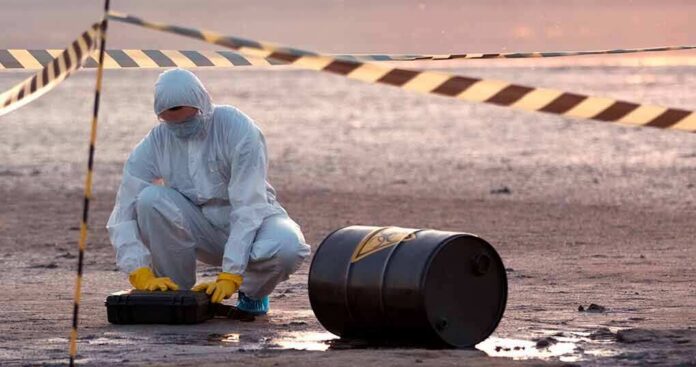
The Los Angeles County Fire Department deployed its Health Hazardous Materials Division to check for chemical risks and to test the air. Officials treated the response as a potential industrial hazard, not a routine fire. Early screening did not show major airborne dangers, but teams did detect some methane and kept testing. Authorities did not identify a released substance at that time. Crews worked to secure the pipe and the work zone as on-site operations paused for safety checks.
Injuries, Evacuation Warnings, And Public Safety
Four workers were transported for medical evaluation of minor concerns, and no serious injuries were immediately reported. Other early accounts described several to about six people being evaluated, a common range when counts change during an active scene. Santa Clarita officials issued evacuation warnings for nearby zones and told residents to prepare, while noting there was not a mandatory order. Roads stayed open as responders monitored air and wind shifts across the surrounding area.
City and county alerts urged residents to limit outdoor activity and close windows if they smelled odors. Public safety teams tracked the plume and shared updates as readings came in. The smoke decreased as pressure at the pipe fell and crews contained the area. Firefighters remained at the scene to watch for any new release, confirm air readings, and assist investigators. Officials said the cause would be reviewed as part of the standard after-action process.
Why Drilling And Landfill Gas Raise Risk
Federal guidance explains that methane from landfills can ignite within certain levels in air. The United States Environmental Protection Agency notes dozens of reported landfill-gas explosions over the years. Chiquita Canyon has also faced a known subsurface heating event since 2022, which can change gas movement and temperatures underground. Those factors make any drilling near gas lines or waste areas more sensitive and require strict controls, monitoring, and quick shutdowns when conditions shift.
Fire officials said the drilling operation may have hit something, but they had not issued a final cause. That cautious approach aligns with best practice when gas, heat, and active work all overlap. Standard steps include pulling permits, mapping utilities and wells, checking for pressure in lines, and continuous air monitoring for methane and other gases. Those measures reduce risk, and when an incident occurs, they guide rapid response to protect workers and neighbors.
🇺🇸 BREAKING: Hazmat crews are responding to a suspected explosion and chemical release at the Chiquita Canyon Landfill in Castaic, California, after workers struck something while drilling.
Thick smoke and liquid waste erupted from a pipe, prompting evacuation warnings for…
— NewsForce (@Newsforce) November 17, 2026
Residents and workers want straight answers when heavy industry and public health meet. People on the right and left both worry that complex problems get slow-walked while communities bear the cost. This response showed some basics working: fast arrival, hazardous-materials screening, and clear evacuation warnings rather than panic. The next step is clear records on what failed, what was released, and how to prevent a repeat. Transparent data builds trust more than any talking point.
Sources:
nypost.com, ktla.com, signalscv.com, epa.gov, nepis.epa.gov