A Southwest Airlines flight diversion sparked by an unruly passenger initially triggered widespread terror concerns, only for federal investigators to confirm the entire alarm was baseless—raising fresh questions about airline security protocols and the spread of misinformation in an era when travelers deserve clear, honest answers.
Story Snapshot
- Southwest Flight 2094 from Nashville to Fort Lauderdale diverted to Atlanta on March 6, 2026, due to passenger behavior concerns
- FBI and Atlanta Police investigation concluded no credible threat existed; no charges filed against removed passenger
- Social media misinformation falsely claimed anti-American threats and bomb scares, quickly debunked by Southwest Airlines
- Incident underscores rising unruly passenger problems, with FAA reporting over 5,000 cases in 2024 alone
Flight Diverted Amid Security Concerns
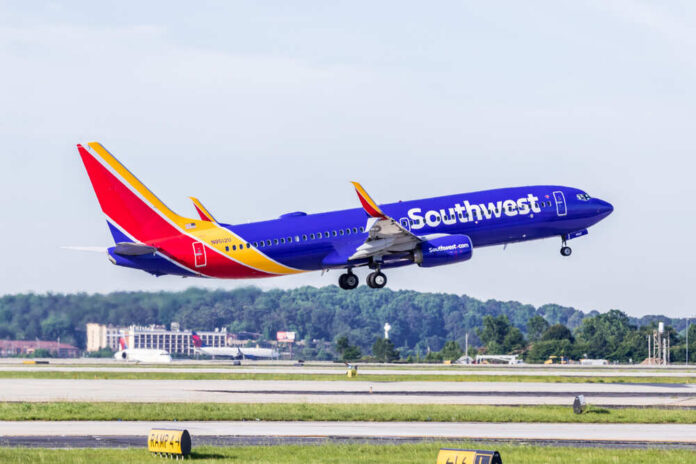
Southwest Airlines Flight 2094 departed Nashville bound for Fort Lauderdale on Friday evening, March 6, 2026, but never completed its planned route. Around 9:00 p.m., the aircraft diverted to Hartsfield-Jackson Atlanta International Airport following reports of a security matter involving an unruly passenger. Atlanta Police Department officers boarded upon landing and removed the individual while passengers were instructed to keep their heads down and hands raised. The FBI, Department of Homeland Security, and local authorities launched an immediate investigation into the incident that delayed approximately 100 to 200 travelers by roughly six hours.
No Credible Threat Found After Investigation
Federal investigators worked through the night to assess the situation, interviewing the removed passenger and examining all available evidence. By Saturday, March 7, the FBI issued a definitive statement confirming no credible threat existed and announcing no charges would be filed. Southwest Airlines emphasized that “nothing is more important than the Safety of its Customers and Employees,” apologizing for the inconvenience while defending the crew’s decision to exercise caution. Passengers continued to Fort Lauderdale on a replacement aircraft, arriving around 3:30 a.m. Saturday. The identity and immigration status of the removed passenger remain undisclosed, leaving concerned Americans with unanswered questions about who triggered this costly disruption.
Misinformation Spreads Faster Than Facts
Social media platforms erupted with unverified claims about the incident, with some politicians amplifying false narratives before facts emerged. Representatives including Mike Collins and Andy Ogles shared posts alleging anti-American threats and potential terrorism connections—claims Southwest Airlines explicitly debunked. Reports suggest the passenger may have been praying in a foreign language or exhibiting behavior other travelers found concerning, but no bomb threats or political slogans were confirmed. This rapid spread of misinformation demonstrates how quickly speculation replaces reality in our current media environment, potentially undermining legitimate security concerns while unfairly stigmatizing religious practices. For conservatives who value both national security and constitutional religious freedoms, this incident highlights the tension between vigilance and overreaction.
Rising Trend of Airline Disruptions
This diversion fits within a troubling pattern of escalating unruly passenger incidents affecting American aviation. The FAA documented over 5,000 such cases in 2024, many requiring flight diversions and law enforcement intervention. Post-9/11 security protocols established zero-tolerance policies for perceived threats, prioritizing passenger safety over convenience. While Southwest’s crew followed established procedures and earned praise for professionalism, the incident reveals how subjective threat assessments can trigger major operational disruptions. The resolution without charges suggests either the initial concern was misinterpreted or the passenger’s behavior, though disruptive, posed no actual danger. Either scenario should concern taxpayers funding federal security agencies and travelers whose time and plans were significantly disrupted based on an assessment that ultimately proved unfounded.
The broader implications extend beyond one delayed flight. Americans deserve transparency about what behaviors justify diversions costing airlines thousands in fuel and crew expenses while stranding passengers. With ongoing debates about TSA funding and government efficiency under the Trump administration, incidents like this fuel questions about whether current protocols strike the right balance between security and common sense. The quick federal response and thorough investigation prevented further panic, but the lack of charges and withheld passenger information leaves the public wondering whether legitimate concerns were addressed or whether political correctness prevented appropriate action against genuinely disruptive behavior that endangered no one but inconvenienced hundreds.
Sources:
Southwest flight from Nashville to Fort Lauderdale diverted to Atlanta – Fox 5 Atlanta
Fort Lauderdale-bound flight diverts amid security scare, passenger removed – CBS12
Southwest Airlines flight from Nashville diverted after security concern – FOX17
Southwest flight diverted to Atlanta after security scare, passenger removed – CBS News Atlanta