
America’s dinner table is now being squeezed by a war-driven energy shock and a shrinking cattle supply—exactly the kind of “globalized fragility” conservatives warned about for years.
Quick Take
- U.S. beef supply remains tight as ranchers rebuild herds after drought and other pressures, with recovery expected to take years.
- War-related risk around Middle East shipping and energy routes raises transportation and fertilizer costs that ripple into grocery prices.
- Global “food controllers” and protectionist policies can amplify price spikes even when shelves aren’t empty.
- Some governments are openly rebuilding national food reserves, signaling reduced trust in just-in-time globalization.
Why 2026 Supply Strains Feel Worse Than the Last “Crisis”
March 2026 coverage does not point to one single collapse moment so much as a compounding vulnerability: tight meat supplies, energy disruption tied to war, and policy decisions that can restrict trade. The result is a slow grind of higher prices rather than immediate empty shelves. For many Trump voters, that’s the frustration—life gets more expensive while Washington argues about everything except resilience, affordability, and basic national security.
U.S. cattle dynamics are a major driver. Reports note the American herd has been at multi-decade lows after prolonged drought and unfavorable economics, and ranchers have been holding back female cattle for breeding to rebuild numbers. That strategy helps long-term recovery but tightens near-term beef availability for packers and retailers. USDA projections referenced in industry reporting point to a modest production decline, but consumers feel it as persistent sticker shock.
War, Energy, and the Strait-of-Hormuz Effect on Food Prices
Food inflation is not just about farms; it’s about fuel, shipping, and fertilizer. Current reporting highlights risk to major energy and shipping corridors in the Middle East, including the Strait of Hormuz, where disruptions can raise oil costs and complicate freight. When diesel and ocean freight rise, every step—moving feed, running equipment, refrigerating meat, and delivering groceries—gets more expensive, pushing costs through the entire chain.
That’s where many MAGA voters are split. Some back the mission abroad, while others argue the U.S. is once again paying for an “endless” conflict through higher household costs. The research provided doesn’t quantify the precise grocery impact of the Iran war in dollars and cents, but it does lay out the mechanism clearly: energy and logistics volatility feeds directly into food pricing, especially for protein and processed goods.
Protectionism Can Turn Tight Markets Into a True Price Spike
Analysts cited in 2026 reporting warn that protectionist policies can make food the “first casualty,” echoing lessons from prior price surges when export bans and trade restrictions magnified panic. In a world where a few countries dominate exports of key commodities, policy moves in one capital can cascade quickly. Conservatives who distrust globalism will recognize the irony: the same international dependency sold as “efficient” becomes a liability when politics turns inward.
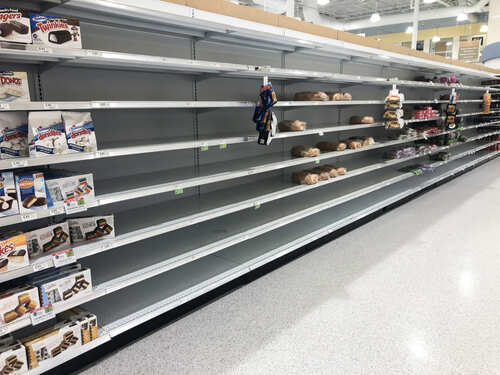
Not every warning amounts to imminent scarcity in American stores. Several sources emphasize that “no empty shelves yet” is part of the current reality, even as costs climb and volatility increases. That distinction matters: a steady squeeze can be politically and socially destabilizing without producing a visible, overnight breakdown. Families adjust by trading down, cutting back on beef, or buying less—quiet changes that still erode living standards.
National Stockpiles Are Coming Back—Because Globalization Isn’t Trusted
One of the clearest signals in the research is what governments are doing, not just what pundits are saying. Some countries have begun rebuilding food reserves and formal preparedness plans, reflecting diminished confidence in always-on global trade. That trend dovetails with broader conservative arguments for national resilience: if a nation can’t reliably feed itself during crisis, it becomes more vulnerable to foreign leverage and domestic unrest.
The Food Supply Chain Is Breaking… Again https://t.co/VhD1hBoA4r
— zerohedge (@zerohedge) March 30, 2026
For U.S. readers, the immediate takeaway is practical rather than apocalyptic. The research points to a system under stress from multiple directions—cattle herd rebuilding, war-linked energy volatility, and policy-driven trade risk—so price pressure is plausible even without a dramatic “break.” If Washington responds with more bureaucracy and spending while ignoring energy security and domestic production, it will deepen the same affordability crisis that has already battered middle-class families.
Sources:
Which countries control global food supply in 2026?
Are we verge global food crisis
The biggest supply chain risks of 2026 and how to navigate them
The future of food supply chains: innovation beyond 2026
Scarcity redefines the 2026 supply chain playbook
Chaos meets its match with 2026 being the year supply chains evolve
Global food security: the perfect storm of 2026 and beyond