Israel keeps bombing and demolishing villages in southern Lebanon even as a ceasefire is supposed to be in place — and the death toll keeps climbing.
Story Snapshot
- Israeli airstrikes have killed dozens of people in southern Lebanon, including Lebanese soldiers, despite an active ceasefire agreement.
- Israel missed its deadline to withdraw from Lebanon and refuses to leave, citing ongoing security threats from Hezbollah.
- Amnesty International says Israel used explosives and bulldozers to destroy Lebanese villages while in full control of those areas — raising serious questions about whether these acts were necessary or lawful.
- Israel says its goal is to create a security buffer zone to protect northern Israeli towns from Hezbollah rocket fire and cross-border attacks.
Strikes Continue Despite Ceasefire
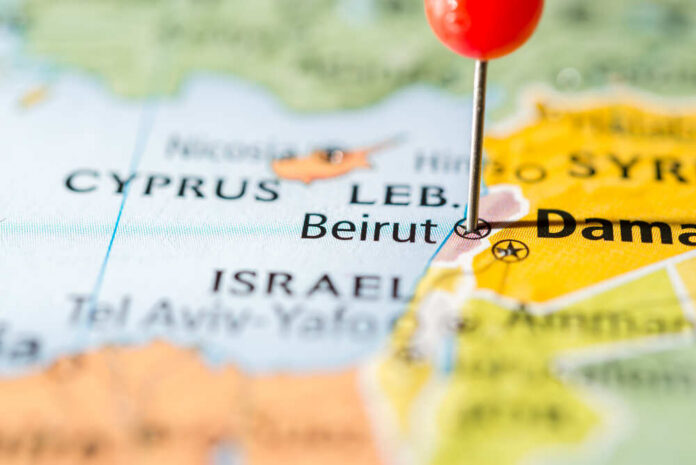
Israeli warplanes have carried out repeated strikes across southern Lebanon, hitting towns in the Tyre district and beyond. One wave of attacks killed at least nine people, including three members of the Lebanese military. [3] A separate round of strikes killed at least 13 more. [8] Israeli forces also struck farmland near the town of Dbeibine and issued displacement orders pushing more civilians out of border villages. [5] The strikes are ongoing even though a ceasefire deal was supposed to stop the fighting.
The ceasefire agreement required Israeli forces to withdraw from Lebanon by January 26, 2025. Israel refused to meet that deadline. A new deadline was set, but Israeli troops remain on Lebanese soil. [6] Israel says it needs to stay to make sure Hezbollah does not rearm or move back into the border zone. Critics say staying — and continuing to strike — breaks the terms of the deal and puts civilians in danger.
What Israel Says It’s Trying to Do
Israel has laid out clear goals for its operations in southern Lebanon. According to Israeli security officials, those goals are: stopping cross-border rocket fire, allowing Israeli citizens in the north to return home safely, and removing Hezbollah’s ability to operate near the border. [7] Le Monde reported that Israel’s stated mission is to set up a security buffer zone in southern Lebanon to protect Israeli towns and villages. [2] Israel frames its continued strikes as targeting Hezbollah fighters, weapons depots, and military infrastructure.
Israeli forces have also fired on people they described as suspects approaching military positions. The military said soldiers fired shots to “remove threats in several areas where suspects were spotted approaching.” [1] Israel has not released detailed target files to support its claims on a strike-by-strike basis. That makes it hard for outside observers to independently verify whether each attack hit a legitimate military target or caused harm that outweighed any military gain.
Amnesty Says Destruction Goes Too Far
Amnesty International released a major report on the destruction in southern Lebanon. The group found that Israeli forces used manually placed explosives and bulldozers to demolish homes and buildings — both before and after the November 27, 2024 ceasefire. [1] Crucially, Amnesty said this happened while Israel was in full control of those areas. Under international humanitarian law, destruction of civilian property is only allowed when there is an “imperative military necessity.” Amnesty concluded that standard was not met.
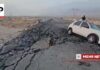
The scale of destruction has alarmed human rights observers. Israeli strikes have hit Tyre, the second-largest city in southern Lebanon, along with smaller towns and farming communities. [5] Entire neighborhoods have been leveled. Hundreds of thousands of Lebanese civilians have been displaced. Amnesty’s findings put pressure on Israel to explain not just why it struck certain targets, but why so many homes and villages were demolished in areas that Israeli forces already controlled — areas where there was no active battle taking place.
A Familiar Standoff With No Easy Answers
This conflict fits a pattern seen in many border wars. One side calls its actions self-defense and military necessity. The other side — and international watchdogs — call the same actions disproportionate and unlawful. The core legal questions are always the same: Did the target have a real military function? Was the destruction necessary? Was the harm to civilians worth the military gain? In this case, those questions remain unanswered because the evidence available is largely official Israeli statements on one side and post-conflict documentation by journalists and rights groups on the other. [1] [2] Until independent investigators get full access, the full truth will stay out of reach.
Sources:
[1] YouTube – Israel carries out more strikes, controlled demolitions in southern …
[2] Web – Israel’s extensive destruction of Southern Lebanon
[3] Web – What is Israel’s military objective in Lebanon? – Le Monde
[5] YouTube – Israeli military targets four towns in southern Lebanon, killing at …
[6] YouTube – Israeli military bombs southern Lebanon, issues more displacement …
[8] Web – What are Israel’s goals in its south Lebanon incursion? – ABC News