A new Federal Reserve Bank of Dallas study ties unauthorized immigration to higher local housing costs and lower per-person income, even as other Fed research shows immigration lifts national growth with little inflation.
Story Highlights
- Dallas Fed working paper links unauthorized inflows to pricier housing and lower labor income per person.
- The same research finds no clear drop in local wages, despite more workers.
- Fed economists say immigration has boosted recent U.S. growth, with near-zero inflation impact.
- Net unauthorized immigration turned negative in 2025, pointing to labor shortages and slower growth.
What the Dallas Fed Found in Local Labor and Housing Markets
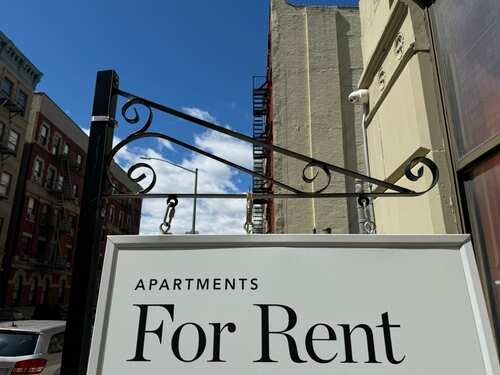
The Dallas Fed working paper reports that unauthorized immigrant worker flows increased local employment about one-for-one without significant wage declines. Yet it also links those inflows to lower labor income per person and sharp pressure on housing costs. The authors estimate a one percent rise in these flows raised house prices by 2.2 percent and rents by 1.4 percent, with no matching increase in supply. The paper also finds reduced local government transfers received per person.
These findings suggest that some communities experiencing rapid population growth may face greater housing affordability pressures. More people arrive, jobs fill, but paychecks do not reach further, and housing costs can account for a larger share of household budgets. For homeowners, price gains look like a win. For renters and young buyers, it feels like a squeeze. The study does not claim a wage crash; it shows a per-person income dip tied to population shifts and cost pressure. That nuance matters for both sides of the debate.
National Growth, Inflation, and Why Flows Matter
Other Dallas Fed research shows the bigger picture looks different. Economists there found the surge in immigration in 2022 to 2024 boosted job growth and output. They estimate immigration added about one tenth of a percent to annual gross domestic product growth in those years. A 2025 analysis adds that when net unauthorized immigration rises, output growth improves for about two years, while the inflation response stays close to zero, suggesting limited evidence of a significant inflationary effect during the period studied.
The path then turned. New Dallas Fed data show net unauthorized immigration moved below zero in early 2025, reaching negative levels by summer. That means more people left than arrived. Fewer workers can slow hiring and output, especially in sectors that rely on new labor. The decline points to tighter labor markets and can weigh on growth at the national level, even if some local cost pressures ease.
Why the Findings Can Be Interpreted Differently
Conservatives point to the housing strain and lower per-person income as proof that current policy fails working families. They see stretched schools and clinics and fear a system that rewards rulebreakers. The Dallas Fed paper gives them concrete local effects to cite. Liberals point to the national gains in growth and stable inflation as evidence that immigrants help the economy and the tax base. The Dallas Fed growth work backs that claim at the macro level.
Both views share a core worry: the system does not match facts on the ground. Federal gains can mask local pain. Local budgets carry costs that Washington does not. National leaders cheer bigger gross domestic product, while renters face higher monthly bills. The differing findings illustrate the challenge of balancing national economic outcomes with local impacts. Clear data, not slogans, should guide spending, housing permits, and labor policy so communities are not left holding the bag.
What This Means for Policy Right Now
City and state leaders can act where pressure is highest. Fast-track housing supply in high-demand zip codes to blunt rent spikes. Target aid to schools and clinics in areas with sharp inflows using formula triggers, not politics. At the federal level, align work authorization with actual labor needs to cut shadow markets that weaken wages and confuse budgets. These steps do not settle the immigration fight. They do address the most concrete, measured harms.
🇺🇸 Is America's image abroad affecting tourism?
New tourism data shows international travel to the United States has declined compared with the previous year, sparking debate over what's driving the slowdown.
Some analysts argue the country's political climate, immigration… pic.twitter.com/vgS6hmltGi
— MKKM (@michekyakeymii) July 3, 2026
Congress and the White House also need better, faster data. The Dallas Fed’s estimate that reduced border inflows account for most of the expected growth drag shows how sensitive the economy is to flow changes. Regular public updates on labor gaps, housing permits, and net flows would let communities plan with facts, not fear. The findings suggest that timely data on migration, labor markets, and housing could help policymakers better understand changing economic conditions.