

Popular weight-loss medications like Ozempic and Wegovy may deliver an unexpected benefit: significant reductions in depression and anxiety, according to groundbreaking research analyzing over four million patients—a finding that prompted the FDA to formally remove suicide warnings from these drugs in January 2026.
Story Snapshot
- Epic Research study of 4+ million patients found GLP-1 users showed significantly lower rates of depression and anxiety diagnoses compared to non-users
- FDA formally requested removal of suicide warnings from GLP-1 medication labels after comprehensive analysis of 91 clinical trials involving 107,910 patients found no increased psychiatric risks
- Researchers emphasize caution: mental health improvements may result from weight loss itself rather than direct drug effects, with causation mechanisms still unclear
- Approximately 12% of U.S. adults now use GLP-1 medications, with 40% taking them primarily for weight loss rather than diabetes management
Major Study Reveals Unexpected Mental Health Benefits
Epic Research published findings in February 2024 examining electronic health records from over four million patients taking GLP-1 medications including Ozempic, Wegovy, Zepbound, and Mounjaro. The analysis revealed individuals using these weight-loss drugs experienced significantly lower rates of depression and anxiety diagnoses compared to control groups. The study examined both diabetic and non-diabetic populations, with particularly striking results among those managing diabetes. These medications work by mimicking glucagon-like peptide-1, a hormone that regulates blood sugar and appetite, creating feelings of fullness that reduce food intake and promote weight loss.
FDA Removes Suicide Warnings After Comprehensive Safety Review
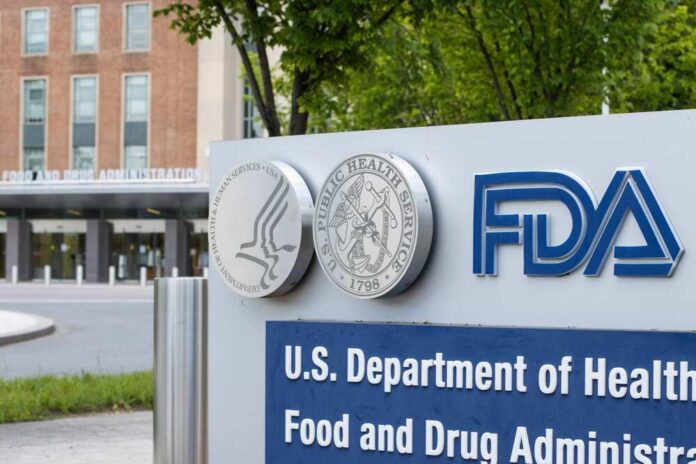
The FDA formally requested manufacturers remove suicide and self-harm warnings from GLP-1 medication labels on January 15, 2026, following a comprehensive meta-analysis of 91 placebo-controlled clinical trials. The analysis examined 107,910 patients—60,338 taking GLP-1 drugs and 47,572 receiving placebo—and found no increased risk for suicidal thoughts, suicidal behavior, depression, anxiety, irritability, or psychosis among GLP-1 users. This decisive action reversed preliminary 2024 concerns about potential psychiatric risks. The FDA emphasized that expanded datasets now provide sufficient evidence to remove these warnings, potentially increasing patient confidence and reducing prescriber hesitancy that may have prevented appropriate treatment for qualified individuals.
Researchers Urge Caution on Causation Questions
Despite promising findings, researchers emphasize significant uncertainties remain about whether mental health improvements result directly from the medications or indirectly through weight loss benefits. Kersten Bartelt, a researcher involved in the Epic Research study, cautioned that while results suggest dual-purpose benefits, current understanding does not justify prescribing these medications solely for anxiety or depression outside diabetes or weight management indications. A 2024 study in Scientific Reports found people with obesity taking GLP-1s had slightly elevated anxiety risk in some cases, suggesting the relationship is more nuanced than initial reports indicated. The Epic study relied on diagnosed conditions, potentially excluding individuals with untreated symptoms, highlighting methodological limitations in observational research.
Growing Role for Mental Health Professionals
Mental health professionals increasingly recognize their essential role supporting patients navigating GLP-1 medications, addressing both potential benefits and emerging psychological challenges. Amy Walters, director of behavioral health at St. Luke’s Humphreys Diabetes Center, explained psychologists can help patients become more knowledgeable, support health behavior changes, screen and treat disordered eating behaviors that might develop, and address anxiety or depression accompanying treatment. As of 2024, approximately 12% of U.S. adults have used GLP-1 medications, with 40% taking them primarily for weight loss rather than diabetes management. This widespread adoption creates unprecedented opportunities for large-scale studies examining real-world health outcomes while requiring integrated mental health support protocols.
Market Implications and Access Concerns
The findings position GLP-1 drugs as potential multi-indication treatments, expanding their market beyond diabetes and weight loss into mental health applications. Pharmaceutical companies including Novo Nordisk and Eli Lilly are funding additional research exploring mechanisms linking weight loss, metabolic changes, and mental health outcomes. Expanded perceived benefits may increase demand and adoption rates, raising questions about medication access and affordability for American families already struggling with healthcare costs. Insurance companies face coverage and reimbursement decisions balancing potential cost-benefit analyses against evidence of efficacy. These economic considerations directly impact whether hardworking Americans can access treatments that may genuinely improve both physical and mental health outcomes without government interference or bureaucratic obstacles limiting patient choice.
Sources:
Weight loss drugs linked to lower likelihood of depression and anxiety diagnoses: Study
The mental health effects of GLP-1 drugs
FDA moves to remove suicide warnings from GLP-1 weight loss drugs