
France says an Iranian military cyber unit fried supermarket freezers at 700 sites, sparking fires and millions in losses.
Story Highlights
- France formally attributed supermarket freezer hacks to Iran’s Shahid Kaveh cyber unit.
- Attacks hit over 700 retail sites overnight, causing fires and large food losses.
- Prosecutors opened a case tied to a foreign power and sought international warrants.
- Officials warned of consequences for Iran after the public attribution.
France’s Formal Accusation and What It Means
On November 9, the French Foreign Ministry publicly blamed Iran for cyberattacks that hit supermarket refrigeration systems. The statement named the Shahid Kaveh offensive unit, which France says sits inside Iran’s Revolutionary Guard cyber center. A separate English release from the ministry echoed the charge. France said the move followed internal reviews and coordination across agencies. This is a rare, explicit state-level attribution that names a unit, not just a country.
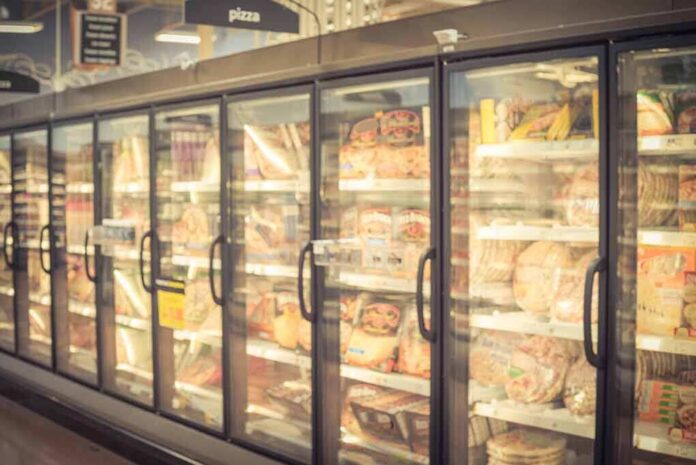
French authorities described a concrete event window and broad reach. During the night of October 11–12, intruders targeted controllers at more than 700 retail locations. Systems were manipulated to dangerous temperatures. Officials reported material damage, at least several tens of millions of euros in food losses, and multiple fires linked to the incident. The scope and physical impact go beyond data theft. They touch daily life, food safety, and trust in basic services.
Prosecutors Move: Criminal Case and Warrants
Paris Prosecutor Laure Beccuau opened a judicial investigation into organized cybercrime tied to the interests of a foreign power. The office connected that foreign power to Iran. It also requested international arrest warrants for the alleged head of Shahid Kaveh and two deputies. Separate reporting confirms the request for the warrants and frames them as part of a broader probe into the network behind the attack. These are prosecutorial steps, not court convictions, but they raise stakes across borders.
Investigators shared some clues that point to Iran. Reports cited communications in Farsi and internet addresses linked to terminals located in Iran. Coverage also described a pattern of activity that officials say matches Shahid Kaveh’s methods. Such indicators help build a picture of operators and tools. They are one part of attribution layers that move from the technical footprint to the people who ran it, then to the state that may have backed it.
Threats, Consequences, and the Bigger Stakes
French leaders warned that Iran would face consequences after the public accusation. Officials discussed options that range from sanctions to other measures consistent with French and European policy. The response aims to deter future strikes on everyday systems like food storage. Leaders also want to show that attacks on civilian infrastructure are not cost free. Clear public blame can signal unity at home and abroad when a state actor is named.
📰 via @WSJ
The U.S. and France suspect Iran is responsible for a cyberattack targeting European supermarket refrigerators and freezers that caused tens of millions of dollars in damage from spoiled food and equipment failures. https://t.co/b0inkmzzi5— FDD's Center on Cyber & Technology Innovation (@FDD_CCTI) November 10, 2026
This case fits a wider pattern seen in global cyber conflicts. Governments sometimes make public attributions before releasing full technical files. Here, France named the unit, gave dates, and detailed the harm, but did not publish malware or forensic packets. The ministry statements and prosecutor actions anchor the narrative. Media reports add operator clues like language and network paths. That mix has become common when states balance proof, sources, and the need to warn others.
Why Americans Should Care About “Cold Chain” Hacks
Food cold storage is part of critical infrastructure. It keeps groceries safe, prevents waste, and protects household budgets. A remote attack that heats freezers to ruin stock can raise prices, strain supply chains, and hurt small stores. If a foreign unit can flip those settings in France, then similar systems elsewhere could be in play. Retailers, vendors, and local governments may need faster patching, better network segmentation, and clear emergency playbooks.
This story also speaks to a larger fear that many Americans share. People on the right and left worry that elites protect themselves while basic systems fail. When a distant cyber unit can cause fires in grocery aisles, it looks like those in charge did not harden the tools that feed families. Expect more pressure on companies and agencies to secure industrial controls, publish clear risk tests, and prove they can keep the lights on and the freezers cold.
What Comes Next
France will press its criminal case and push partners to act against named operators. Retailers will race to audit devices, lock down remote access, and upgrade firmware. Insurers will review how policies handle state-linked attacks on civilian systems. Consumers will judge leaders by whether food stays safe and affordable. Officials say the message is simple: if you burn our cold chain, we will hold you to account — and make the next hit harder to pull off.
Sources:
redstate.com, aljazeera.com, nbcnews.com, rfi.fr, uk.finance.yahoo.com, uk.diplomatie.gouv.fr