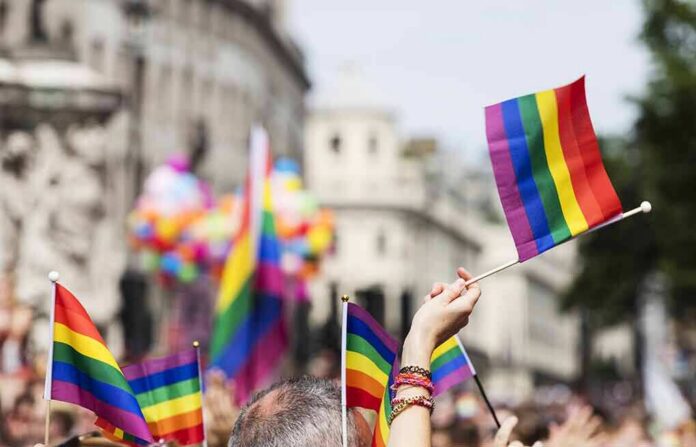
Church leaders barred a lay men’s group from praying the Rosary on cathedral steps during a Pride parade, citing fears the scene would look like official church sponsorship of the protest.
Story Snapshot
- The Archdiocese said step-side prayer could appear as an official endorsement of the group’s event.
- The directive limited location (the cathedral steps), not prayer itself.
- The men’s group says it has prayed there for years and rejects “neutrality” toward Pride.
- No written step-use policy or parallel examples were produced in the record.
What the Archdiocese Decided and Why It Matters
The Archdiocese of Cincinnati told a Catholic men’s group not to pray the Rosary on the cathedral steps as the city’s Pride parade passed. The Archdiocese said that location could imply the archbishop endorsed or sponsored the event, which was not affiliated with the church. A spokesperson also said the group lacked prior permission for the steps and had usually prayed on the public sidewalk. The instruction aimed at the venue, not at prayer itself, according to the account.
The group, Christ The King, posted what it said was the Archdiocese’s email and accused leaders of trying to appear “neutral” toward Pride. The group argued a bishop should not be neutral toward what it views as sin and said it came to pray, not to stage a rally. Members said they had prayed outside the cathedral for several years without trouble as the parade went by, and wanted to continue the same witness this year.
What We Know and What Is Missing
The record we have includes quotes from a spokesperson and a posted email image. There is no posted, formal policy that bans all outside groups from the steps. There is no permit log showing how step access has been handled in other years. There is no dated directive naming who made the final call. These gaps do not disprove the Archdiocese’s claim. They do show why both supporters and critics are reading motives into a location rule.
Similar disputes often turn on whether a property rule is truly neutral, or whether it singles out a message. Courts allow time, place, and manner limits on private speech if those limits do not target content. When a spot is symbolic, like cathedral steps during Pride, a neutral rule can still look like a stance. That makes clear, public rules and consistent practice vital to trust on all sides in moments like this.
Why This Hits Nerves Across the Spectrum
People on the right see leaders dodging clear teaching to please elites. People on the left see faith leaders flexing control to mute a counter-message near a Pride event. Many in the middle see a familiar story: institutions manage optics first and principles second. When leaders talk about “endorsement,” citizens hear brand safety, not shepherding. That feeds a shared concern that gatekeepers protect the institution’s image while regular people lose their voice.
There is a practical fix. Post the step-use policy. Publish past approvals and denials for that space, especially during June events. Clarify who decides, on what standard, and when exceptions apply. If the rule is neutral, the paper trail should show it. If the rule is new, explain why. Clear, simple, and even-handed rules will not end debate. But they can cool the sense that power, not fairness, decides who gets the microphone on sacred ground.
Sources:
lifesitenews.com, catholicstate.substack.com, spzh.eu, sspx.org