Federal officials shut the World War II Memorial after vandals sprayed graffiti and filled the fountain with suds, calling it a “disgusting act.”
Story Snapshot
- Interior Department condemned the vandalism and vowed to find the culprit.
- Graffiti reading “Clean hands, Dirty $” and a bubbling fountain closed the site.
- U.S. Park Police secured the memorial and opened an active investigation.
- Veterans’ groups and caretakers called the act disrespectful to the 400,000 fallen.
What Happened at the Memorial
U.S. Park Police responded to the National World War II Memorial after reports of vandalism. Officers found spray paint on parts of the memorial and foam filling the main fountain, which forced a closure to visitors. On-scene photos and broadcasts showed the words “Clean hands, Dirty $” in bright paint near the Atlantic Pavilion. The Interior Department said the memorial honors more than 400,000 Americans who died in World War II and called the vandalism an “utter disgrace”.
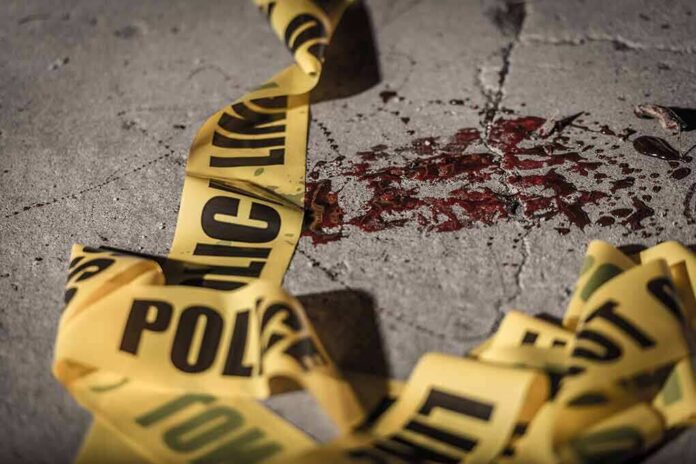
News crews documented bubbling water flowing over the fountain edges, suggesting someone added soap or another foaming substance. Reporters also showed wide areas taped off as a crime scene while officers gathered details. Local coverage described crews later working to wash paint and clear the suds, underscoring that the damage needed hands-on cleanup. Officials did not immediately identify a suspect or release a motive, and the exact substance used in the fountain was not confirmed in early reports.
How Officials Responded
The Interior Department said the World War II Memorial is a sacred place and promised accountability. The department emphasized that U.S. Park Police were on site and that the investigation was ongoing. The strong language served a clear purpose: to defend a national symbol and to deter future acts. The agency’s message aligned with the memorial’s mission to honor service members’ sacrifice and to protect a site visited by veterans and families every day.
Veterans organizations and caretakers echoed that stance. Coverage of the response highlighted statements that labeled the act unacceptable and disrespectful to those who served and died in the war. That reaction reflects a familiar pattern when prominent memorials are damaged: moral condemnation comes fast, while technical findings about materials and timelines can take longer. This balance shows how leaders try to protect public trust in shared civic spaces.
Why This Moment Matters
America’s war memorials are more than stone and water. They are places where the country remembers real people, real costs, and the ideals that many still hold dear. When vandals hit a site like this, people across the political spectrum see a basic breach of respect. Many Americans already feel the system is run for the powerful, not for them. Attacks on national symbols add to that sense that the rules are breaking down and that institutions are not doing their core job.
DC: National Guard and security tape surround the World War II Memorial in Washington after it was vandalized with bubbles and graffiti. @Interior said that the U.S. Park Police were on the scene following the Thursday vandalism and an investigation was ongoing. pic.twitter.com/QqnpVCm7ve
— Marisela Ramirez (@mariselapenny) August 14, 2026
This incident also fits a broader pattern. During tense times, high-profile monuments draw attention from those seeking a platform. Media coverage then centers on four steps: the damage, the closure, the condemnation, and the cleanup. The harder questions—who did it, why, and what exactly was used—often come later. Here, authorities urge patience while they work the case. Until then, the priority is clear: secure the memorial, repair the harm, and keep the public’s trust.
Sources:
straitstimes.com, wivb.com, youtube.com