
A panel of 17 federal judges appointed a new U.S. attorney for Seattle on July 16, 2026 — and President Trump fired him before he could finish his first hour on the job.
Story Snapshot
- Seventeen federal judges unanimously appointed Roger Rogoff as U.S. attorney for Western Washington after a legal vacancy dragged on without a confirmed presidential nominee.
- Acting Attorney General Todd Blanche fired Rogoff within the hour, saying the judges had “overstepped” their authority by filling the position.
- Federal law — specifically 28 U.S.C. § 546(d) — explicitly allows judges to fill a U.S. attorney vacancy when the executive branch fails to confirm someone within 120 days.
- No Supreme Court ruling has ever settled whether a president can fire a U.S. attorney appointed by a court, leaving the legal question wide open as Rogoff plans to sue.
What Happened in Seattle
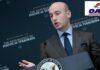
On July 16, 2026, a panel of 17 active and senior federal judges — appointed by five different presidents — unanimously selected Roger Rogoff to serve as U.S. attorney for the Western District of Washington. The appointment came after the Trump administration’s temporary pick, Teal Luthy Floyd, had served her 120-day limit without a permanent nominee being confirmed by the Senate. Rogoff was sworn in that morning. He was fired before the hour was up.
Acting Attorney General Todd Blanche announced the firing on social media, claiming the judges had “overstepped” by filling the role. The Justice Department backed him up, calling the removal a lawful exercise of presidential authority. Rogoff pushed back hard. He said the law is clear: “It is clearly in statute in the Vacancy Act that this is how judges fill that gap when the administration isn’t able to confirm someone.” Rogoff said he plans to take the fight to court.
What the Law Actually Says
The law at the center of this fight is 28 U.S.C. § 546. Under that statute, the Attorney General can appoint a temporary U.S. attorney for up to 120 days. If the president still hasn’t nominated a confirmed replacement after that window closes, the district court judges step in and make the appointment themselves. That is exactly what happened here. The judges followed the process the law lays out — step by step.
The Trump administration points to the Federal Vacancies Reform Act, which it calls the “exclusive means” for filling vacant executive positions on a temporary basis. Legal scholars, however, note a significant gap: that law addresses what happens when an officer dies, resigns, or becomes unable to work — not when one is fired. A Brooklyn Law Review analysis found “strong evidence that Congress did not intend for the general removal provision to apply” to court-appointed U.S. attorneys under § 546(d). No Supreme Court ruling has ever resolved this conflict.
A Pattern Bigger Than Seattle
This is not the first time the Trump administration has moved to remove a court-appointed prosecutor. Earlier in 2026, the administration removed court-appointed U.S. attorneys in Virginia after judges ruled that unconfirmed Trump picks were serving unlawfully. The Seattle firing fits a broader strategy: when courts fill vacancies the White House hasn’t filled, the administration removes those court picks and installs its own people.
Trump fires new US attorney in Seattle an hour after federal judges appoint him | US justice system | The Guardian https://t.co/jF7z0doM0W
— JanetM. (Monarchist) (@Cilvrnum) July 18, 2026
Washington’s attorney general and Senator Patty Murray both condemned the firing as an attack on judicial authority. Legal analysts called it part of a “nationwide standoff” between the executive branch and the courts over who controls U.S. attorney offices in states that lean heavily Democratic. Whether you lean left or right, the core concern is the same: the rules that govern who enforces federal law — and who gets to change those rules on the fly — matter to everyone. A legal fight is now underway, and the courts will have to decide what the law actually means. Until then, the question of who really runs the top federal prosecutor’s office in Seattle remains unsettled.
Sources:
mckoolsmith.com, everycrsreport.com, justice.gov