
Trump’s new security order quietly turns parts of America’s political debate into a battlefield for “terrorism,” putting both protesters and everyday civic groups under the shadow of national security law.
Story Snapshot
- NSPM-7 orders federal agents to treat some left-wing political violence and activism as a top domestic terror threat.
- The memo links ideas like anti-Americanism and anti-capitalism to terrorism indicators, raising free speech alarms.
- Joint Terrorism Task Forces are told to disrupt networks, funders, and nonprofits tied to “anti-fascist” political violence.
- Civil liberties groups say the order uses post‑9/11 tools to police dissent without creating any new crime in law.
What Trump’s NSPM-7 Actually Orders Federal Agencies To Do
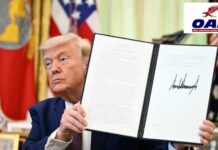
President Donald Trump issued National Security Presidential Memorandum‑7 in September 2025, titled “Countering Domestic Terrorism and Organized Political Violence.” The memo tells federal agencies to build a national strategy to investigate, prosecute, and disrupt people and groups involved in political violence inside the United States. It places special focus on networks linked to anti‑fascism, immigration enforcement protests, and riots, and tasks Joint Terrorism Task Forces with carrying out that work.
The memo and its related White House fact sheet say recent attacks on conservative figures, police, and churches form part of organized campaigns to silence opponents and warp democratic debate. It describes political violence as aimed at changing policy outcomes and blocking normal government functions. Officials argue that treating these campaigns like terrorism is needed to protect voters, law enforcement, and religious communities from intimidation and targeted killings.
From Ideas To “Indicators”: How Political Beliefs Get Pulled Into Terrorism Space
NSPM‑7 does more than talk about violence—it singles out certain beliefs as warning signs of terrorism risk. The memo and later strategy documents list “anti‑Americanism, anti‑capitalism, anti‑Christianity,” extreme views on migration, race, and gender, and hostility to traditional family and religious values as common threads behind recent violent acts. It also frames “violent left‑wing extremists, including anarchists and anti‑fascists” as major threats, alongside cartels and jihadist networks.
Critics say this language blurs the line between thought and crime. Civil liberties advocates warn that once government agents treat broad ideas as “indicators,” they may track people and groups mainly for what they believe, not what they have done. Legal scholars point out that United States law defines domestic terrorism but does not make it a standalone crime, meaning these labels mostly work to steer investigations and funding, not to charge “domestic terrorism” itself.
Targeting Protesters, Nonprofits, And Funders As “Political Terrorists”
Under NSPM‑7, the Attorney General directs federal prosecutors and Joint Terrorism Task Forces to pursue cases tied to “organized doxing campaigns, swatting, rioting, looting, trespass, assault, destruction of property, threats of violence, and civil disorder” as forms of terrorism. The memo also authorizes investigations into acts of recruiting or radicalizing people for political violence, conspiracy against rights, and violent deprivation of citizens’ rights—even at the planning or speech stage.
The order reaches beyond street protesters. It tells agencies to investigate civil society groups, nonprofits, and donors that “sponsor or otherwise aid and abet” political violence. The Treasury Department and Internal Revenue Service are tasked with tracking and disrupting financial networks tied to these activities, including stripping tax‑exempt status from organizations that support what the memo defines as domestic terrorism. For many Americans who donate to causes they care about, this raises fears that their giving could be recast as “funding extremism.”
The Prairieland Model And The “Minnesota 15”: Testing NSPM‑7 In Court
The Justice Department has already used NSPM‑7’s framework in high‑profile protest cases. After the 2025 Prairieland immigration detention center protest, federal prosecutors brought terrorism‑linked charges against demonstrators, arguing they were part of a conspiratorial “antifa” network targeting immigration enforcement. Much of the evidence consisted of zines, books, and encrypted Signal messages about tactics and political theory, not direct acts of violence by every defendant.
When a government labels political opponents terrorists, the question is no longer just who committed violence—it’s who controls the definition. NSPM-7 risks turning dissent into a security threat. History shows that states rarely stop expanding repression at their first target. https://t.co/EbQsr1FNNb
— William Murphy (@420GHz) July 16, 2026
Civil rights lawyers say this “Prairieland model” lets the government layer terrorism charges onto state protest cases after the fact, chilling future demonstrations. In the separate Minneapolis “Minnesota 15” case, prosecutors leaned on social media posts like “We need to become ungovernable” and loose claims about an “Antifa” conspiracy, drawing criticism from attorneys who argue Antifa is an idea, not a formal group. Several related cases under programs like Metro Surge have collapsed over flawed affidavits, deepening doubts about the evidence.
Why Both Left And Right See A Bigger Problem With Power And Trust
Supporters of NSPM‑7, including adviser Stephen Miller, say the memo finally takes deadly attacks on conservatives, police, and churches as seriously as other terror threats, and treats organized efforts to shut down immigration enforcement as political terrorism. Some on the right, long angry about riots, doxing of officers, and violent disruptions of rallies, welcome a hard line that protects their communities and free speech from intimidation.
At the same time, many conservatives and liberals share a deeper worry: that Washington is using national security tools to protect its own power first. Civil liberties groups argue NSPM‑7 turns powerful post‑9/11 counterterrorism powers inward, onto domestic nonprofits, activists, and donors, without new laws or clear limits from Congress. For Americans who already feel the system mainly serves elites and entrenched officials, an order that can treat “influencing policy” as part of a terror pattern looks less like safety—and more like a warning that dissent itself may be under surveillance.
Sources:
youtube.com, whitehouse.gov, epic.org, aclu.org, pbwt.com, sistersofmercy.org, arnoldporter.com, nyclu.org, bsablaw.com, medium.com, insidepoliticallaw.com, congress.gov, rand.org