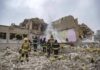

A warehouse of the World Health Organization packed with medical supplies for Ukraine’s front lines was hit twice in Dnipro and wiped out, raising hard questions about how protected humanitarian aid really is in today’s wars.
Story Snapshot
- A World Health Organization warehouse in Dnipro was struck twice and completely destroyed.
- The site held medical supplies for frontline health workers and patients across eastern Ukraine.
- World Health Organization staff had already begun evacuating pallets, but most aid was still lost.
- The attack fits a growing pattern of strikes on humanitarian warehouses and food stocks in Dnipro.
World Health Organization Warehouse Hit Twice and Destroyed
World Health Organization leaders say a humanitarian warehouse in the city of Dnipro was struck twice in less than twenty-four hours and “everything was destroyed.” The warehouse held emergency health supplies that were headed to clinics and hospitals near active fighting in eastern Ukraine. The World Health Organization report describes a direct hit that left the building ruined and the stored medicines and equipment unusable. This loss came during a broader wave of Russian attacks on the Dnipropetrovsk region.
The strike did not cause reported deaths, but the damage to health support is severe. According to Ukrainian and European outlets, the warehouse stored hundreds of pallets of items like trauma kits, basic medicines, and tools that doctors use to stabilize wounded civilians and soldiers. Images shared by Ukrainian media show a collapsed structure and burned packaging, underlining how fast months of planning and shipping can vanish in a few seconds of war. For people near the front, this means fewer supplies when the next attack comes.
Evacuation Efforts and What Was Lost
Hours before the main strike, a small World Health Organization team and drivers were on site working to move supplies out of danger. Reports say they managed to evacuate less than half of roughly three hundred pallets before the warehouse was hit. That means more than half the warehouse stock stayed inside and was later destroyed. The World Health Organization director general said he was thankful no staff were hurt, but warned that the loss will delay help to health workers and patients who are already stretched thin.
Other coverage notes that the warehouse held items aimed at frontline health facilities, not military units, which is why the World Health Organization labels it a humanitarian site. These facilities include small clinics in towns near the fighting and larger hospitals that treat blast and shrapnel wounds. When their supply chain is broken, doctors must reuse equipment, reduce doses, or send patients away due to lack of basic materials. For families living near the front, that adds another layer of fear: will care be there if a missile hits their building tonight.
Pattern of Strikes on Aid Warehouses in Dnipro
This attack is not the first time humanitarian warehouses in Dnipro have been hit. The United Nations World Food Programme reported that its food warehouse in the same city was struck by a Russian attack, destroying at least ten thousand food kits for civilians in frontline areas. United Nations news later called that strike “absolutely unacceptable” and said a “significant quantity” of food aid was wiped out. Taken together, these incidents show a dangerous trend: warehouses that store aid for the vulnerable are becoming targets in modern war.
A Russian attack on Dnipro destroyed a World Health Organization warehouse containing medical supplies for frontline health facilities. U.N. spokesperson Farhan Haq said no casualties were reported.
During Russian attacks the same day, a humanitarian evacuation vehicle was… pic.twitter.com/KhLZf7wgHN
— Independence Avenue Media (@indavemedia) August 12, 2026
World Health Organization and United Nations officials have warned that attacks on health and food infrastructure break long-standing rules of war meant to protect civilians. People on both the right and the left in the United States often feel distant from these events, yet American tax dollars help fund many of these operations. When a warehouse full of medical supplies or food is destroyed, it raises hard questions about oversight, accountability, and whether global systems meant to protect the innocent are doing their job.
Why This Matters to Frustrated Americans
Many Americans, whether conservative or liberal, already believe large international bodies and national governments care more about politics and contracts than about real people. Stories like the Dnipro warehouse strike tap into that frustration, not because the World Health Organization created the war, but because the system could not keep vital aid safe even after a first strike warning. Citizens see aid shipped overseas, then watch images of it destroyed, and wonder who is making sure these missions work as promised.
Conservatives who worry about waste, globalism, and elites may look at this and ask if the World Health Organization and United Nations have solid plans to protect supplies before they spend more money and ask Congress for support. Liberals who fear growing inequality and harm to vulnerable groups may focus on the patients and families who now lack medicine and food through no fault of their own. In both cases, the core concern is similar: big institutions talk about values, but on the ground, civilians still get hurt and help still fails to arrive.
Humanitarian Law, Accountability, and the Risk Ahead
International rules say medical and food sites serving civilians should be protected in war, yet enforcement depends on governments and military leaders who may see strategic value in hitting warehouses that support a rival’s society. In Ukraine, repeated strikes on health and food storage blur the line between battlefield and home front. If this pattern continues, aid groups may be forced to move farther from the front, which slows delivery and leaves communities even more exposed when the next wave of attacks comes.
For Americans watching from afar, this event is another sign that global conflict and large bureaucracies can fail ordinary people even when good intentions are present. It is fair to demand clear answers: how are aid routes chosen, how are sites marked and protected, and what happens after a breach of humanitarian norms. Without honest reporting and real consequences, distrust of both foreign bodies and the federal government will deepen, as more citizens see a world where the powerful stay safe while warehouses meant to heal the sick burn to the ground.
Sources:
thegatewaypundit.com, kyivindependent.com, pravda.com.ua, euromaidanpress.com, who.int, fakti.bg, militarnyi.com, independent.co.uk, politico.eu, euronews.com