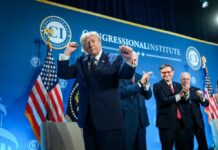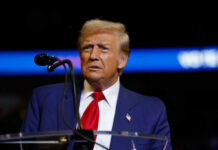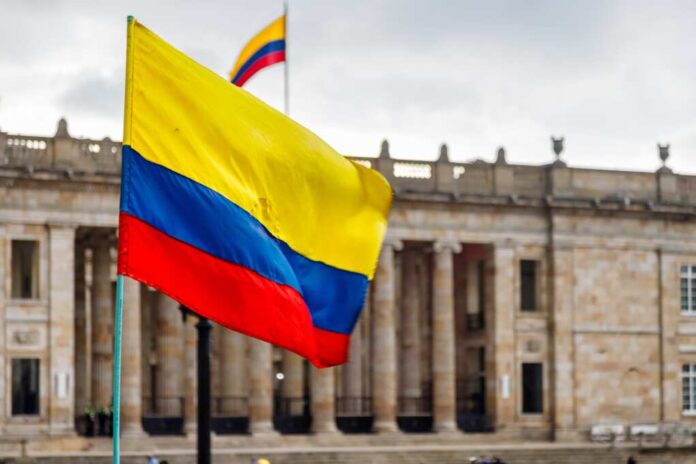
A recent US military strike on a Colombian vessel allegedly linked to the National Liberation Army (ELN) has heightened tensions between Washington and Bogotá, prompting President Trump to announce an end to US financial aid to Colombia.
Story Snapshot
- US forces targeted a vessel linked to Colombia’s ELN, resulting in three deaths.
- President Trump announced an end to US financial aid and new tariffs on Colombia.
- Colombian President Petro disputes the US characterization, citing civilian casualties.
- Diplomatic tensions escalate between the US and Colombia over military actions.
US Military Action Against ELN-Linked Vessel
On October 17, 2025, US forces conducted a military strike on a vessel in the Caribbean Sea allegedly connected to Colombia’s National Liberation Army (ELN). According to US Defense Secretary Pete Hegseth, the operation was part of a broader anti-narcotics campaign, targeting vessels used for drug trafficking. The incident resulted in the deaths of three crew members, raising questions about the identities and affiliations of those involved. Colombian President Gustavo Petro has challenged the US characterization, stating that at least one victim was a fisherman with no ties to drug trafficking.
This military operation is part of a series of US-led actions in the Caribbean that began in August 2025, reportedly aimed at disrupting narcotics trafficking routes, according to the Pentagon. US officials have stated that six vessels have been targeted since August, though casualty figures remain under review. Analysts, such as Dr. Cynthia Arnson of Wilson Center, note that while Washington views these actions as reinforcing its anti-narcotics strategy, they have strained diplomatic relations with Colombia.
Diplomatic Tensions and Economic Implications
The strike has deepened diplomatic strains, with Colombia’s government describing the US approach as counterproductive and risky for civilian safety. President Petro has publicly called for an end to such operations, emphasizing their humanitarian impact and questioning the reliability of US intelligence. Economists, including Dr. Jorge Restrepo of Pontificia Universidad Javeriana, warn that ending US aid and imposing tariffs could significantly affect Colombia’s exports, particularly coffee and coal, and complicate ongoing peace negotiations with armed groups.
As the US and Colombia navigate these tensions, there is a growing call from Latin American leaders and scholars for a reevaluation of strategies to combat drug trafficking. Critics argue that militarized approaches may not effectively address the root causes of drug production and could instead lead to more violence and instability in the region. The focus, some suggest, should shift towards harm reduction and economic development to create sustainable solutions.
Impact on Local Communities and Future Outlook
The immediate impact of the US strike is felt most acutely by local communities, particularly fishermen and coastal populations who may be caught in the crossfire or misidentified as traffickers. The long-term implications could see an escalation of violence as armed groups like the ELN adapt to increased military pressure. For Colombia, the challenge lies in balancing national sovereignty with the need for international cooperation in drug interdiction.
3 killed in US strike on Colombian ELN vessel smuggling narcotics, Hegseth says https://t.co/LkLppFpyjI #FoxNews
— SANDALIO CARMONA (@SANDALIOCARMONA) October 19, 2025
As the situation unfolds, policymakers in both countries face growing pressure to weigh the socio-economic and political implications of their actions. Analysts from the International Crisis Group emphasize that sustainable progress will require diplomatic restraint and transparent dialogue centered on humanitarian principles and shared security interests.
Sources:
US announces attack on Colombia rebel group boat as Trump ends aid.