
Ahead of the midterms, President Trump proposes $2,000 checks funded by tariffs, prompting debate on legality and political intent.
Story Highlights
- Trump suggests $2,000 stimulus checks funded by tariff revenue.
- Proposal targets middle- and low-income households.
- Legal and logistical challenges impede implementation.
- Supreme Court review of tariffs affects funding feasibility.
Trump’s Proposal and Its Timing
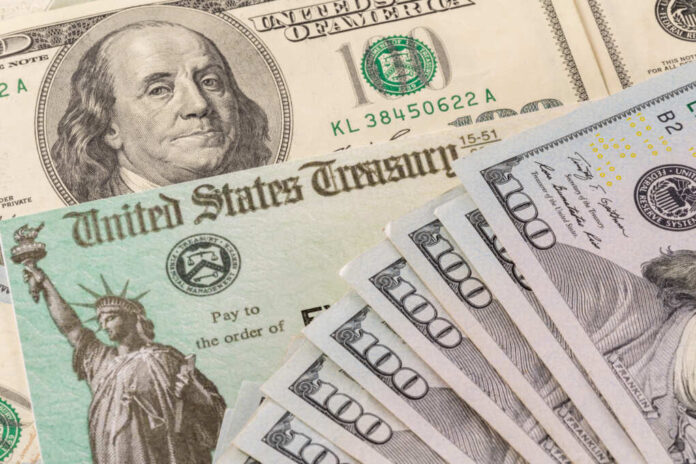
In a proposal ahead of the midterm elections, President Trump has proposed issuing $2,000 stimulus checks to American citizens. He claims these payments will be funded through tariff revenues, specifically targeting middle- and low-income families earning $100,000 or less annually. This proposal has gained significant media attention due to its timing and the unconventional funding source, prompting analysis of its viability and political context.
The Trump administration first hinted at this initiative early in 2025, emphasizing it as a form of direct financial relief. However, the announcement closely aligned with the election cycle, intensifying scrutiny regarding its potential influence on voter behavior. Despite these hints, no formal legislative or executive action has been taken to implement the plan, resulting in uncertainty about its status as a finalized policy.
Legal and Logistical Hurdles
The proposal encounters significant legal and logistical challenges, primarily due to the ongoing Supreme Court review of the tariffs’ legality. Kiplinger and the Committee for a Responsible Federal Budget (CRFB) report that these tariffs, imposed under the International Emergency Economic Powers Act (IEEPA), are under scrutiny. If the Supreme Court invalidates many of the tariffs, the ruling could directly impact the availability of funds for the proposed checks by necessitating tariff refunds. The Supreme Court’s decision is awaited as a critical determinant of the proposal’s viability, creating uncertainty around its implementation.
The U.S. Treasury, which would be the agency responsible for distributing the funds, has acknowledged the complexities involved. Treasury Secretary Scott Bessent has confirmed that discussions are ongoing, but stated that a formal rollout is yet to occur, emphasizing that Congressional legislation is required to authorize the payments. This legislative delay contributes to the uncertainty regarding the proposal’s potential execution before the midterms.
Political Implications and Public Response
If implemented, the stimulus checks could provide a short-term boost to consumer spending and potentially bolster Trump’s political support. Fiscal analysts, including John Ricco of the Budget Lab at Yale University and economists at the Tax Foundation, warn that relying on tariff revenue for direct payments could set a controversial precedent and lead to fiscal imbalances, as tariff revenues may not cover the estimated $600 billion cost of the full plan. Critics argue that the proposal’s timing suggests an attempt to generate voter interest through financial incentives.
"Trump Teases Giving $2,000 Checks to Americans Just Ahead of the Midterms" – Mediaite #SmartNews
Money isn’t everything…….no amount could make me vote for red. https://t.co/EcS7zEOcLb
— REM (@REM00358362) November 18, 2025
The proposal has generated debate, with some viewing it as a necessary economic stimulus and others expressing concerns over its timing and legality. The outcome of this initiative holds significant implications for the upcoming midterms, potentially influencing voter turnout and preferences.
Sources:
Are Trump Stimulus Checks Coming?